News
Michelin star chefs set for Killarney’s Chef Collab

MICHELIN VISIT: Two Michelin star chefs will be coming to Killarney this May as part of the Chef Collab initiative. Pictured were: Chad Byrne (Chef Collab), Noel Enright with Abraham Nur, Anamaria Inok, Patrick Ihli and Ruth McMorrow. Photo Michelle Crean
By Michelle Crean
Killarney based chefs will be given the tools to become Michelin star chefs of the future - thanks to a visit from some big name industry professionals next month.
London based Kevin Burke from The Ninth, and Theo Clench from The Clove Club, which is named in the San Pellegrino Top 50 Best Restaurants in the World, are two big name Michelin star chefs coming to Killarney for the latest Chef Collab event.
It takes place on May 27, at 7.30pm in the Backstage Bar, where there’ll be amazing food, including five courses and six snacks, and music - and the event is open to the public.
“Chefs helping chefs is the core of Chef Collab,” founder Chad Byrne told the Killarney Advertiser this week.
“It’s the first time in Killarney that Chef Collab will have two Michelin star chefs. If we give these Killarney based chefs the tools to go and work with the best in the business - what is to stop them from progressing and getting their own Michelin star?”
Chef Collab has had seven sold out events in Killarney, Cork and Dublin since it was set up a year ago by Chad, who is also Head Chef in the Brehon, with the help of Noel Enright from the Lake Hotel.
“We are getting rid of the negatives that used to be associated with the industry, we want to shout about the positives and what better way, than making the chefs of tomorrow stars of today with the help of chefs on the very cusp of the amazing London restaurant scene.”
Other chefs taking part on the night include Johnny Davison from James Street in Belfast, Gavin McDonagh from the Shelbourne Social in Dublin, Killarney’s John O’Leary who is working in Adare Manor, and Karan Mittal, the first chef to specialise in rural Indian cuisine at the renowned Ananda in Dublin. Karan was also named as the Food and Wine ‘One to Watch’ this year.
Tickets are €40 each and go on sale on Eventbrite this coming Monday.


LOCAL GOLD: Terrie O’Shea, founder and owner of Killarney-based business Sorella Berries, celebrating her Gold award win at the Blas na hÉireann Irish Food Awards held in Dingle last week. Her hand-crafted chocolate covered strawberries secured the top spot in national competition, earning recognition for the local food producer on the national stage.

LOCAL GOLD:
LOCAL GOLD: Terrie O’Shea, founder and owner of Killarney-based business Sorella Berries, celebrating her Gold award win at the Blas...


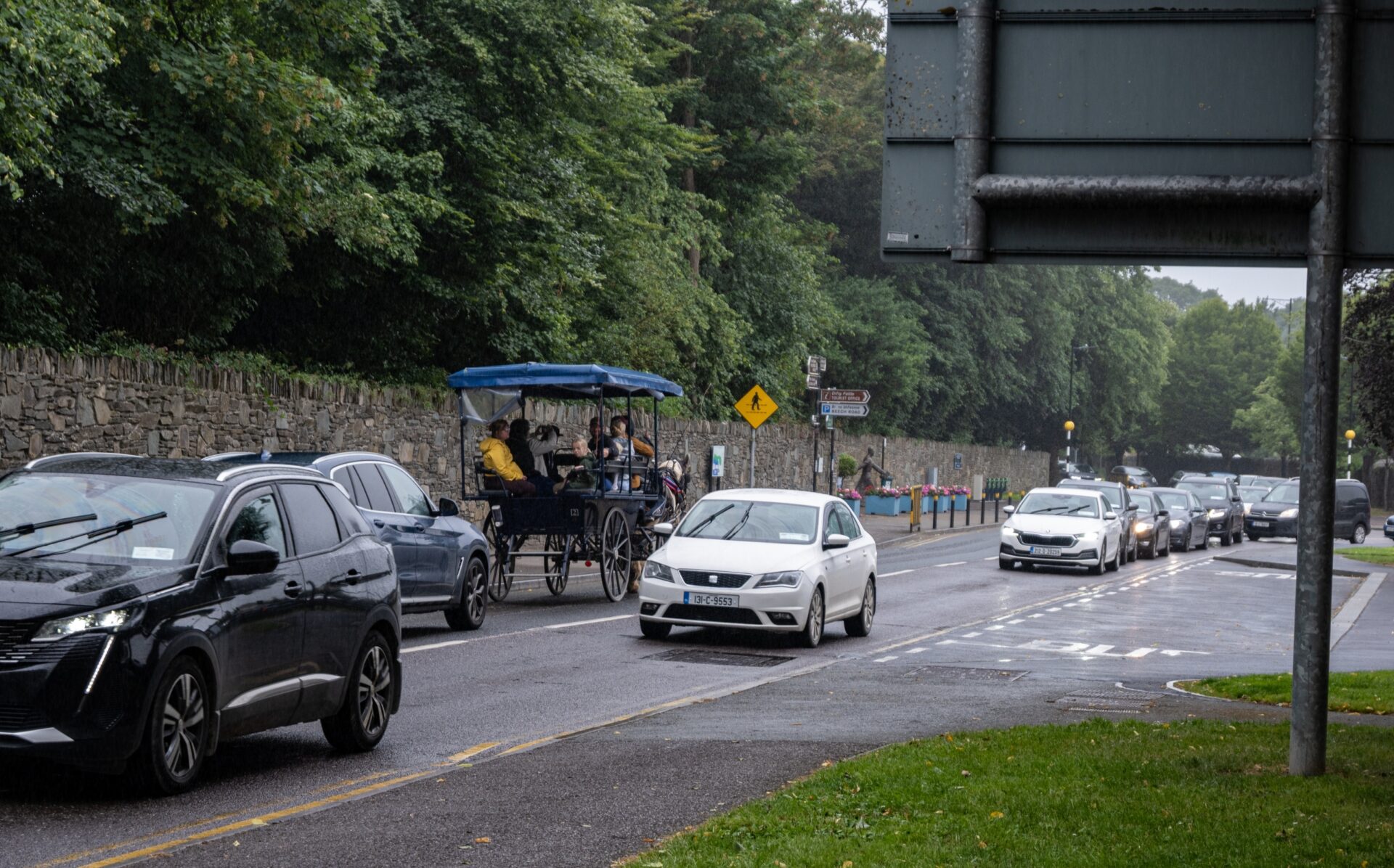
Grady demands Killarney traffic review
Killarney councillor Martin Grady has called for an urgent review of traffic management across the town following severe delays along...


Killarney Pumpkin Farm returns for Halloween
The annual event is in its sixth year and caters to people of all ages. The farm is located in...


Killarney Toastmasters host special open night
Killarney Toastmasters is inviting members of the local community to an open night at the Dromhall Hotel on Muckross Road...
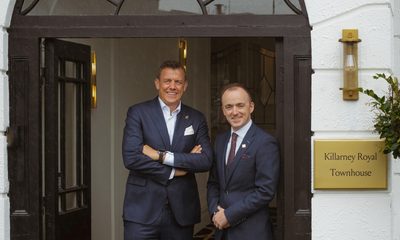

Killarney hotels achieve top global rankings in Readers’ Choice Awards
Killarney hotels achieve top global rankings in Readers’ Choice Awards Two leading Killarney hotels are celebrating major international accolades following...
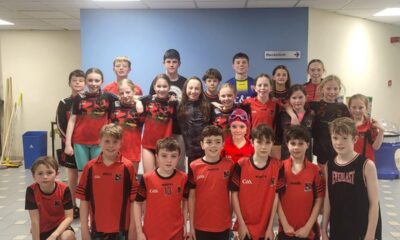

Fossa Swimmers make a splash at County Finals
The Fossa Swim team pictured at the Tralee Sports Complex following their successful outing at the County Finals of the...

On the Ball Part 2 of the Mikey Daly Interview
Éamonn Fitzgerald EF: Killarney Celtic are invited to participate in an Irish competition. That has big financial implications for travel,...


LUKE MANGAN recently caught up with Kerry FC’s manager, Colin Healy.
He spoke to him about his careers as a player and manager. Here’s how it went: When you began your...


Home cup tie for St Paul’s could be epic
Paudie O’Connor National Cup (Round 1) Utility Trust St Paul’s v GCU Brunell Saturday 7.30pm Killarney Sports and Leisure Centre...


Chances of Kerry v Cork Munster final in 2026 decrease as Munster GAA delay seeding plan
After facing a backlash from Limerick, Clare, Waterford and Tipperary players, Munster GAA have postponed their plan to keep Cork...