News
Mayor calling for new legislation for food wastage

STOP FOOD WASTAGE: Mayor of Killarney, Cllr Michael Gleeson is hoping the Government will introduce new legislation to stop food wastage. Photo: Michelle Crean
By Michelle Crean
EXCLUSIVE
One local councillor is calling on the Government introduce legislation making it compulsory for all retail outlets to donate food close to its ‘Best Before Date’, to charity.
Mayor of Killarney, Cllr Michael Gleeson says the amount of perfectly good food which is wasted is outrageous.
At this month’s meeting of Kerry County Council, he proposed that Kerry County Council would call on the Government to introduce legislation that would make it compulsory for shops to donate food that is about to reach its ‘Best Before Date’ to charitable/humanitarian organisations.
“There are many charitable organisations who would gladly accept this food and distribute it wisely,” Cllr Gleeson told the Killarney Advertiser.
“I’m asking to make food which has come close to or reached its ‘Best Before Date’, to make it available to local charities who can then use it wisely to benefit those in need. It will stop food wastage. At least 30 percent goes to landfill which is a huge waste of resources and money for households.”
He said that tens of thousands of tonnes of food is disposed of in this manner every year.
He acknowledged that some supermarkets at present donate this food to deserving causes and thanked them for so doing, but stated that there is much room for improvement.
He suggested that legislation may ultimately be the only means of ensuring that all food is used wisely.
“The old adage of ‘wilful waste makes woeful want’ is still applicable,” he added.
The Motion was seconded and will now be forwarded to Government for consideration.

LOCAL GOLD: Terrie O’Shea, founder and owner of Killarney-based business Sorella Berries, celebrating her Gold award win at the Blas na hÉireann Irish Food Awards held in Dingle last week. Her hand-crafted chocolate covered strawberries secured the top spot in national competition, earning recognition for the local food producer on the national stage.

LOCAL GOLD:
LOCAL GOLD: Terrie O’Shea, founder and owner of Killarney-based business Sorella Berries, celebrating her Gold award win at the Blas...


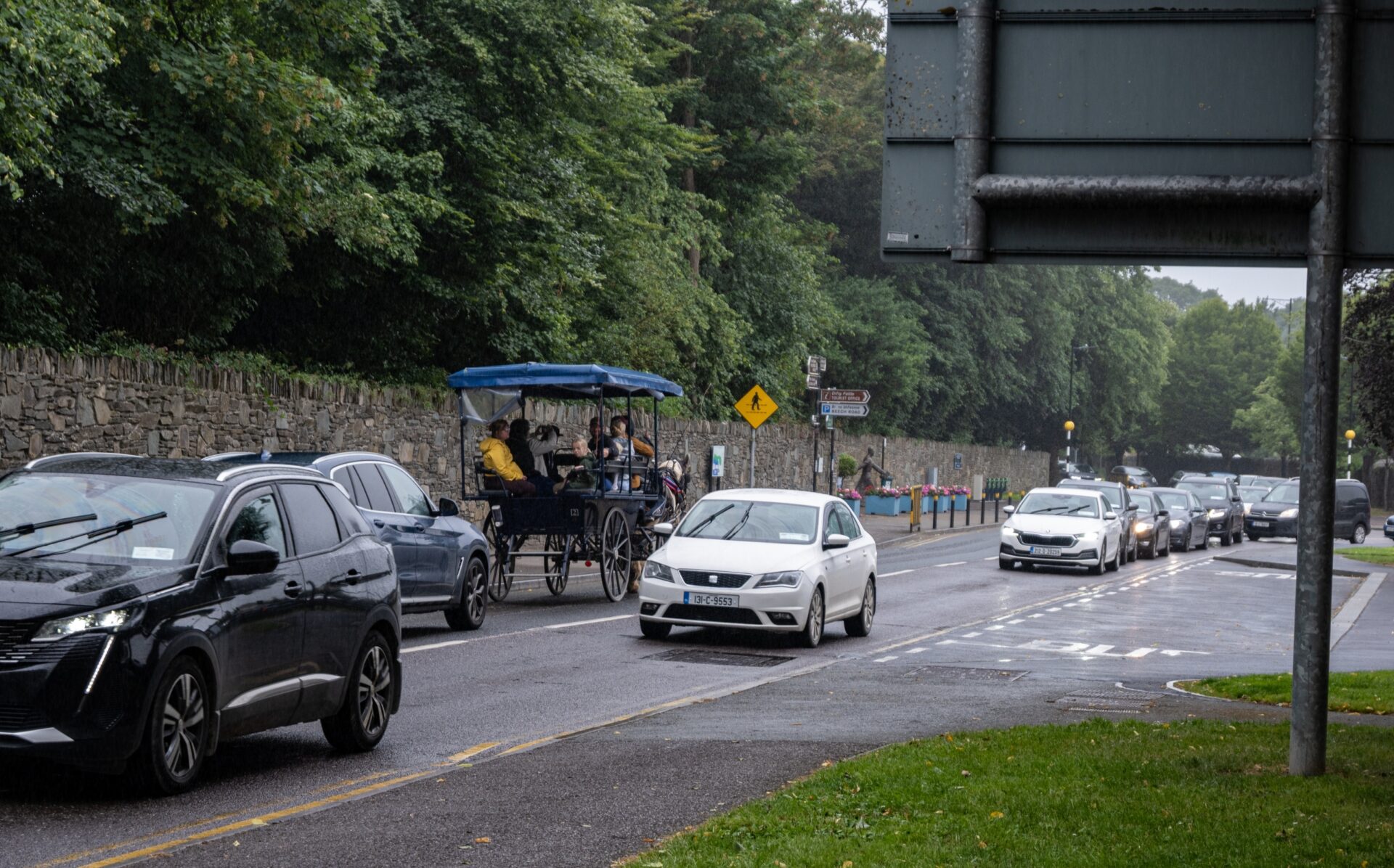
Grady demands Killarney traffic review
Killarney councillor Martin Grady has called for an urgent review of traffic management across the town following severe delays along...


Killarney Pumpkin Farm returns for Halloween
The annual event is in its sixth year and caters to people of all ages. The farm is located in...


Killarney Toastmasters host special open night
Killarney Toastmasters is inviting members of the local community to an open night at the Dromhall Hotel on Muckross Road...


Killarney hotels achieve top global rankings in Readers’ Choice Awards
Killarney hotels achieve top global rankings in Readers’ Choice Awards Two leading Killarney hotels are celebrating major international accolades following...


Fossa Swimmers make a splash at County Finals
The Fossa Swim team pictured at the Tralee Sports Complex following their successful outing at the County Finals of the...


On the Ball Part 2 of the Mikey Daly Interview
Éamonn Fitzgerald EF: Killarney Celtic are invited to participate in an Irish competition. That has big financial implications for travel,...


LUKE MANGAN recently caught up with Kerry FC’s manager, Colin Healy.
He spoke to him about his careers as a player and manager. Here’s how it went: When you began your...


Home cup tie for St Paul’s could be epic
Paudie O’Connor National Cup (Round 1) Utility Trust St Paul’s v GCU Brunell Saturday 7.30pm Killarney Sports and Leisure Centre...


Chances of Kerry v Cork Munster final in 2026 decrease as Munster GAA delay seeding plan
After facing a backlash from Limerick, Clare, Waterford and Tipperary players, Munster GAA have postponed their plan to keep Cork...