
News
KNOW YOUR RIGHTS: Motor vehicle collisions


Let’s face it, despite our best efforts, accidents do happen.
If you are involved in a motor collision, the law requires you to do certain things. This applies whether the collision was with another motor vehicle, another user of the road or an object along the road.
“Apart from the legal aspect, there are also things it is advisable to do for safety reasons and to help reduce your possible financial loss,” cautions Deirdre Vann Bourke, Kerry Manager with South Munster Citizens Information Service. “Forewarned is forearmed so it’s worth being informed about what to do in the event of an accident.”
What are my legal obligations?
Your legal obligations, if you are involved in a motor collision, are set out in Section 106 of the Road Traffic Act 1961 as amended. Firstly, you must stop your car and remain at the scene of the accident for a reasonable time.
Provide information: If a Garda is present at the scene of the collision, you must give them, when requested:
* Your name and address
* The address where your car is kept
* The name and address of the car owner
* The car’s registration number
* Motor insurance details (including the expiry date of the policy)
If there is no Garda present you must give this information on request to:
* The injured person (where someone has been hurt) – or a person asking on their behalf
* The owner whose property has been damaged, or someone asking on their behalf or
* Give the information to an independent person who was present when the collision occurred.
Report the accident: If there is no Garda present, you must report the accident as soon as possible to a Garda who is nearby or at a Garda station. The person (if any) you gave the information to can do this. If they are not in a position to do so, you must report the accident.
What should I do if I am involved in a motor collision?
“There are a number of steps you should take if you are unlucky enough to be involved in a collision with another vehicle,” says Deirdre.
Decide whether to move the cars:
If the collision is serious, do not move the cars. If the collision is minor and the cars are blocking the road or are a danger to other road users, mark their position on the road then move them. Take care when moving damaged cars and be alert to the danger from leaking fuel.
Warn other drivers: Try to warn oncoming traffic of the accident. You can warn them by using your hazard lights. If you have a reflective advance-warning triangle, place it on the road far enough from the scene of the collision to give enough warning to approaching traffic. If the collision happens near a bend in the road, make sure you give warning to traffic on both sides of the bend. If you need to ask for another road user’s help to warn traffic, do so right away.
Call for help: If someone is injured, call the Gardaí (telephone 999 or 112) and, if necessary, ambulance services.
Get information: You should get the information listed above (under ‘Provide Information’) from the other drivers involved in the collision. If the collision involves damage to property, get the owner’s name, address and telephone number.
Get the names, addresses and telephone numbers of any witnesses, as these may be required if a question of liability arises.
Photos: Take photos of the scene of the collision if you have a camera. These should include photos of the vehicles before they are moved.
Garda details: You should get the name or number of the Garda to whom the collision is reported. You may need to ensure that a Garda report has been filed for insurance purposes.
“You should write down an account of all relevant facts connected to the collision as soon as possible afterwards,” advises Deirdre. “Be sure to sign and date your account (including the time) when it is completed. This could be a very useful document to have going forward.”
Uninsured or unidentified cars:
If you wish to claim compensation where you are involved in an accident with an uninsured or unidentified car, contact the Motor Insurer's Bureau of Ireland (MIBI). MIBI also deals with claims arising from foreign drivers in Ireland or Irish drivers abroad.
Serious road traffic collisions:
When a serious road traffic collision occurs, causing a serious or fatal injury, there will be an investigation by the Gardaí and possibly the coroner. It may involve an inquest and even a criminal prosecution.
For anyone needing information, advice or have an advocacy issue, you can call a member of the local Citizens Information team in Kerry on 0818 07 7860, they will be happy to assist and make an appointment if necessary. The offices are staffed from Monday to Friday from 10am to 4pm. Alternatively you can email on tralee@citinfo.ie or log on to www.citizensinformation.ie for further information.
News
Céilí Mór will send ‘em home sweatin’
It will be a case of all around the house but mind the dresser at a traditional Céilí Mór which will be one of the real entertainment highlights of this […]
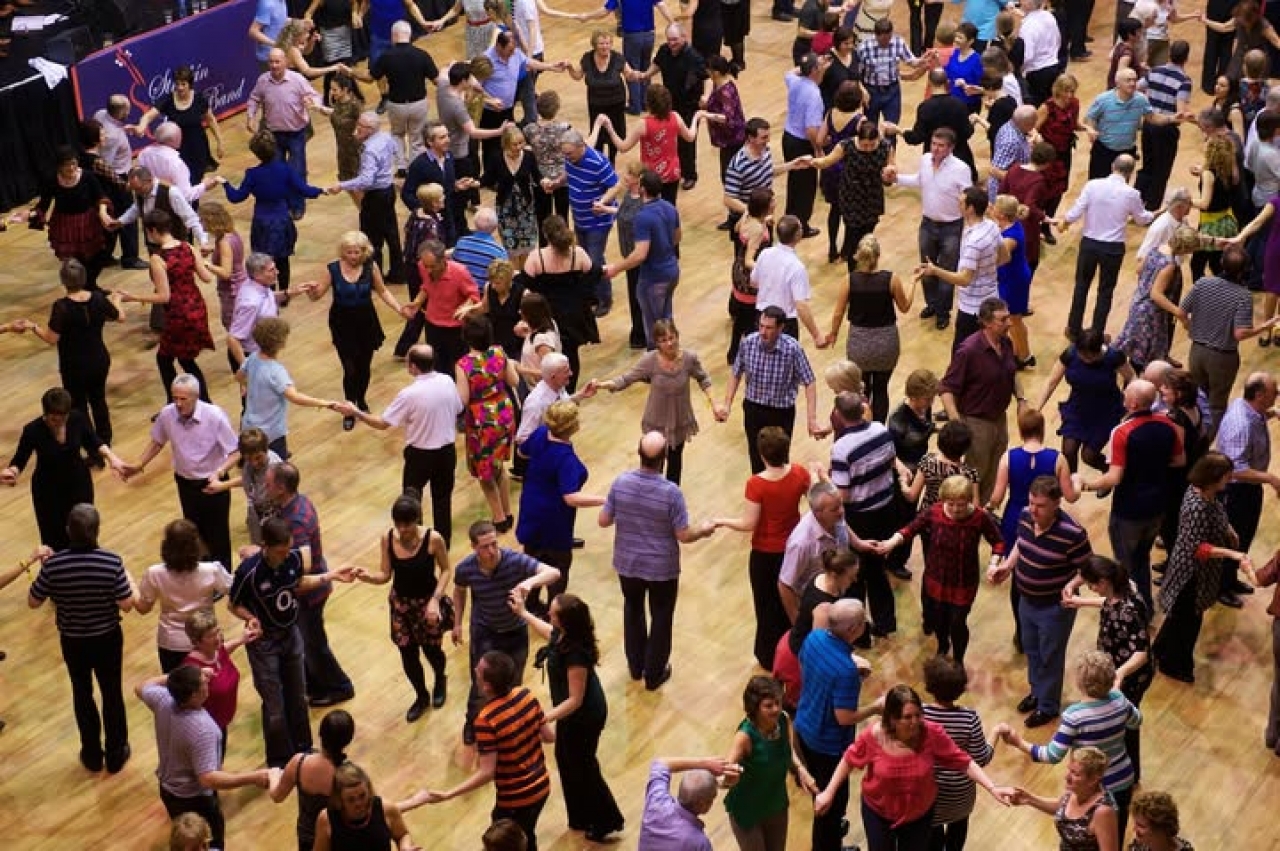


Céilí Mór will send ‘em home sweatin’
It will be a case of all around the house but mind the dresser at a traditional Céilí Mór which...


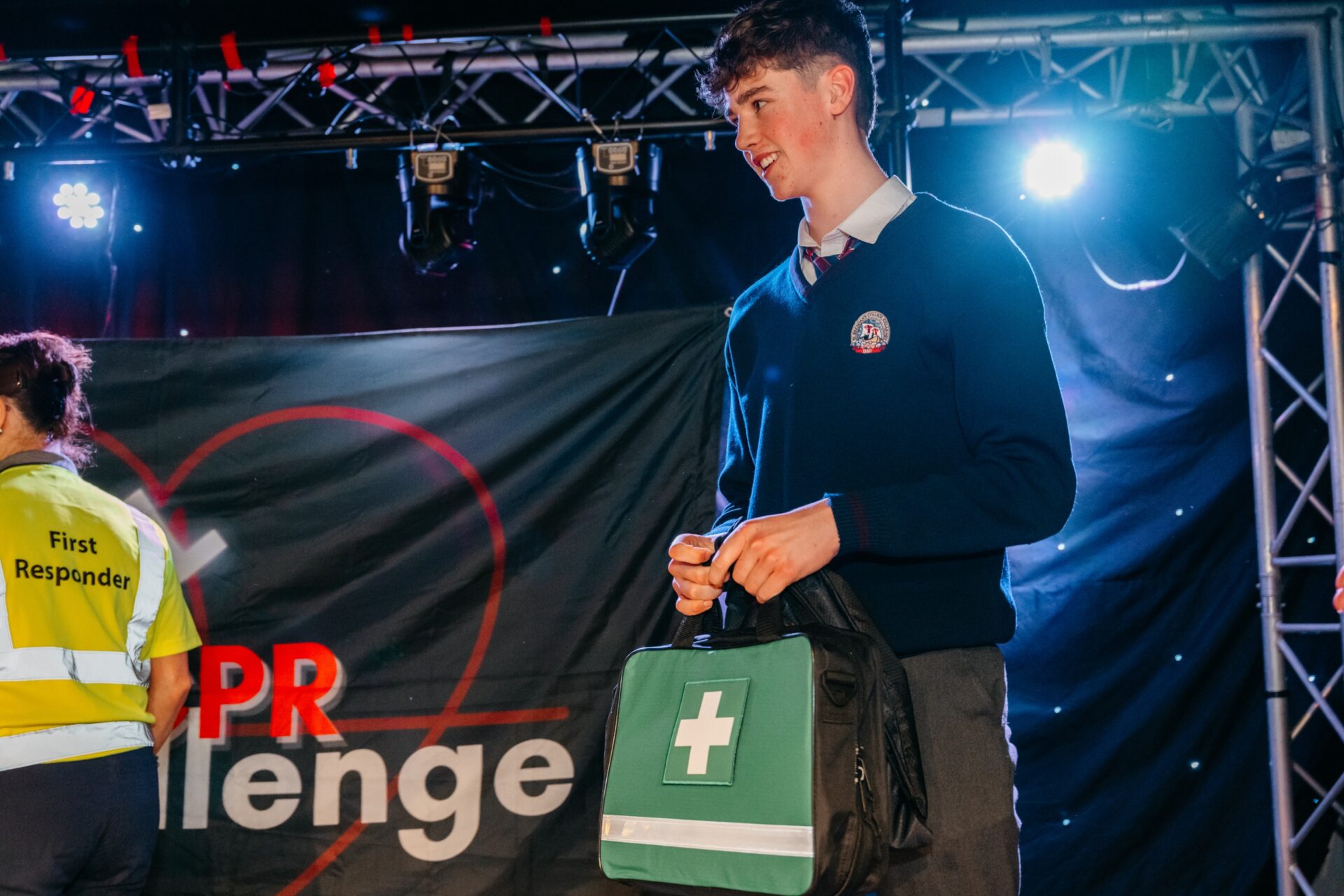
St Brendan’s student Aodhagan O’Sullivan crowned CPR champion
Aodhagan O’Sullivan, a student at St Brendan’s College, Killarney, has been named the 2026 School CPR Challenge Champion. The prestigious...

Cllrs demand meeting with HSE property officials
Killarney councillors are seeking an urgent face-to-face meeting with the HSE to prevent the town’s health infrastructure from falling into...


Maggie’s Montessori supports National Pyjama Day
The usual morning routine was swapped for slippers and dressing gowns at Maggie’s Montessori last Friday as the children took...


Incredible value at Paco warehouse clearance
Paco Clothing is to open a second shop at the Killarney Outlet Centre for March and April – and the...


Fossa Swimmers make a splash at County Finals
The Fossa Swim team pictured at the Tralee Sports Complex following their successful outing at the County Finals of the...

On the Ball Part 2 of the Mikey Daly Interview
Éamonn Fitzgerald EF: Killarney Celtic are invited to participate in an Irish competition. That has big financial implications for travel,...


LUKE MANGAN recently caught up with Kerry FC’s manager, Colin Healy.
He spoke to him about his careers as a player and manager. Here’s how it went: When you began your...


Home cup tie for St Paul’s could be epic
Paudie O’Connor National Cup (Round 1) Utility Trust St Paul’s v GCU Brunell Saturday 7.30pm Killarney Sports and Leisure Centre...


Chances of Kerry v Cork Munster final in 2026 decrease as Munster GAA delay seeding plan
After facing a backlash from Limerick, Clare, Waterford and Tipperary players, Munster GAA have postponed their plan to keep Cork...
