News
Killarney man to take up role of President and CEO of Ireland Funds America

APPOINTMENT: David Cronin from Killarney has been appointed to the role of President and CEO of the Ireland Funds, the global philanthropic network founded by Tony O'Reilly and Dan Rooney. Photo: Gerard McCarthy
A Killarney man will take the role of President and CEO of Ireland Funds America – the world’s largest grant maker for charities in Ireland – this June.
Former St Brendan’s College student, David Cronin, from Loreto Road, will head the internationally-recognised, global network of chapters that comprises of the largest private grant maker for the non-profit sector in Ireland.
The announcement was made by the Board of Directors of the Ireland Funds America, led by Chairman John Fitzpatrick, this week.
David’s father, Denis Cronin, is retired AIB Bank Manager and former President of Killarney Golf Club and a serving Trustee of Muckross House.
Having been awarded the St Brendan’s Scholarship, David began his early career on Wall Street, where he worked as an equities and options trader for Wall Street Access. He returned to Ireland in 1996 to take up the role of Chief Operations Officer with QUMAS, an indigenous tech start-up specialising in governance, risk and compliance management, which was acquired in a multi-million euro deal by Dessault Systemes.
With chapters in 12 countries, The Ireland Funds has raised over $600 million for non-profit organisations in Ireland and Irish causes around the world, benefiting more than 3,200 different organisations with both financial and non-financial support. Annually, the Ireland Funds hold more than 150 events with over 25,000 donors worldwide and provide support up to $30M.
David has worked in philanthropy for the last decade raising and investing over $100 million in his role as Chief Executive of UL Foundation, working closely with Chuck Feeney, Atlantic Philanthropies and the worldwide Ireland Funds. David is also a member of the Munster Rugby Commercial Board.
“I recognise this appointment as a genuine privilege and am absolutely committed to the future success of the Ireland Funds,” David said this week.

LOCAL GOLD: Terrie O’Shea, founder and owner of Killarney-based business Sorella Berries, celebrating her Gold award win at the Blas na hÉireann Irish Food Awards held in Dingle last week. Her hand-crafted chocolate covered strawberries secured the top spot in national competition, earning recognition for the local food producer on the national stage.

LOCAL GOLD:
LOCAL GOLD: Terrie O’Shea, founder and owner of Killarney-based business Sorella Berries, celebrating her Gold award win at the Blas...


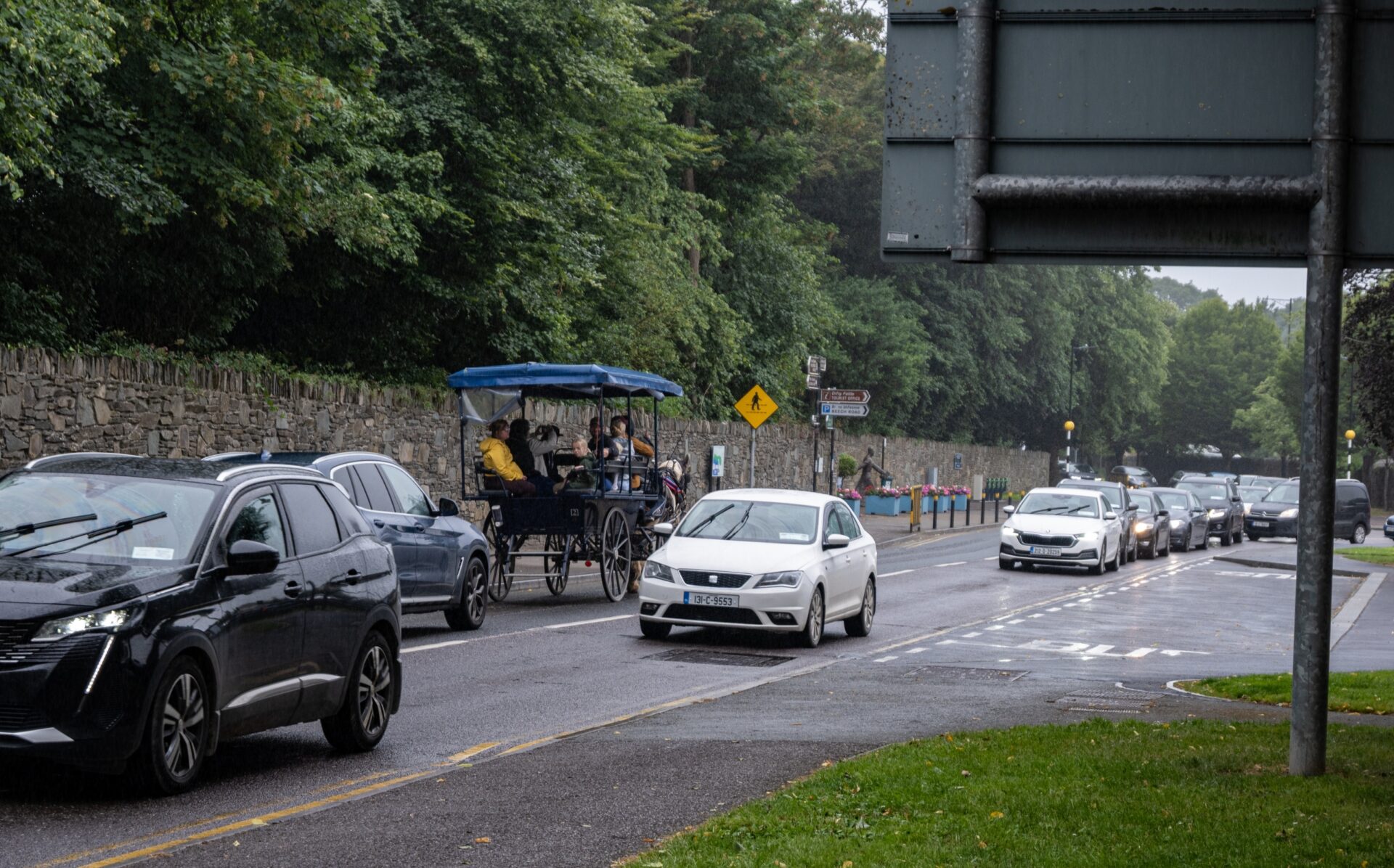
Grady demands Killarney traffic review
Killarney councillor Martin Grady has called for an urgent review of traffic management across the town following severe delays along...


Killarney Pumpkin Farm returns for Halloween
The annual event is in its sixth year and caters to people of all ages. The farm is located in...


Killarney Toastmasters host special open night
Killarney Toastmasters is inviting members of the local community to an open night at the Dromhall Hotel on Muckross Road...

Killarney hotels achieve top global rankings in Readers’ Choice Awards
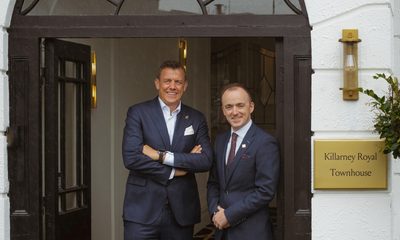
Killarney hotels achieve top global rankings in Readers’ Choice Awards Two leading Killarney hotels are celebrating major international accolades following...

Fossa Swimmers make a splash at County Finals
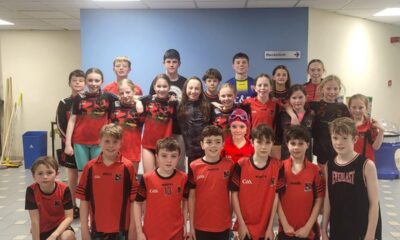
The Fossa Swim team pictured at the Tralee Sports Complex following their successful outing at the County Finals of the...

On the Ball Part 2 of the Mikey Daly Interview
Éamonn Fitzgerald EF: Killarney Celtic are invited to participate in an Irish competition. That has big financial implications for travel,...


LUKE MANGAN recently caught up with Kerry FC’s manager, Colin Healy.
He spoke to him about his careers as a player and manager. Here’s how it went: When you began your...


Home cup tie for St Paul’s could be epic
Paudie O’Connor National Cup (Round 1) Utility Trust St Paul’s v GCU Brunell Saturday 7.30pm Killarney Sports and Leisure Centre...


Chances of Kerry v Cork Munster final in 2026 decrease as Munster GAA delay seeding plan
After facing a backlash from Limerick, Clare, Waterford and Tipperary players, Munster GAA have postponed their plan to keep Cork...