News
Kerry stories shared at Motor Neurone meeting

CHEQUE PRESENTATION: Kerry Friends of Motor Neurone Disease Chairman Christy Lehane presented a cheque for €11,250 to Marie Reavey (Irish Motor Neurone Disease Association Regional Development Officer) in the Killarney Plaza Hotel on Thursday night last week. Also seated are: Tom MacDonnell (left) and Pat Kelleher (right). Back from left are: Nora Murphy, Denis Russell, Mary Lehane, Paddy O'Keeffe and Sheila Casey. Picture: Eamonn Keogh
By Michelle Crean
There was lots of important information and advice at a recent public information meeting for those living with the effects of Motor Neurone Disease.
The well attended meeting, hosted by Kerry Friends of Motor Neurone, took place in the Killarney Plaza Hotel on Thursday last week.
The theme of the meeting was ‘Telling Kerry’s Story’ of people’s association with Motor Neurone Disease, explained Christy Lehane, Chairman Kerry Friends of Motor Neurone.
“Following a short introduction the meeting was addressed by Irish Motor Neurone Disease Association’s Regional Development Officer, Marie Reavey, who informed the meeting of the work the Association does for Motor Neurone sufferers like providing home visits by MND nurses, providing financial assistance towards home care, provision of specialised medical equipment and funding for counselling and research. Marie also informed the meeting that 86 percent of their annual budget is reliant on fundraising and explaining where this money is spent.”
Alan MacDonnell, formerly from Kilgarvan, gave a very moving account of his mother Mary’s seven year battle with MND.
Doctor Dominika Lisiecka, a Speech and Language Therapist, addressed the meeting and told in simple language of her interactions with Motor Neurone patients stating that something as simple as listening to the patient does make a huge difference in understanding MND, not alone for the patient but for the doctor also.
Rathmore man John O’Neill told the meeting of his wife Bridie’s association with MND which in Bridie’s case was a short illness. Never the less she did not let it curtail her love of holidays and travel, and Bridie was active up until the end.
“We had a video presentation from Derrynane native John O’Donoghue, currently residing in Brisbane, Australia. John told the meeting of his Motor Neurone journey and included a video of his visit home earlier this year.
IMNDA specialist Nurse Katie Kinsella was the final speaker on the night and she outlined her work with MND sufferers and their families.
In conclusion, Christy read an email he received from Andy McGovern from Leitrim, who happens to be the world’s longest MND sufferer, having lived with the disease for 41 years.
“Andy is a true IMNDA ambassador and is always on hand to listen and help other Motor Neurone sufferers. Kerry Friends of Motor Neurone hope that the meeting was of some help and enlightenment to people,” he said.

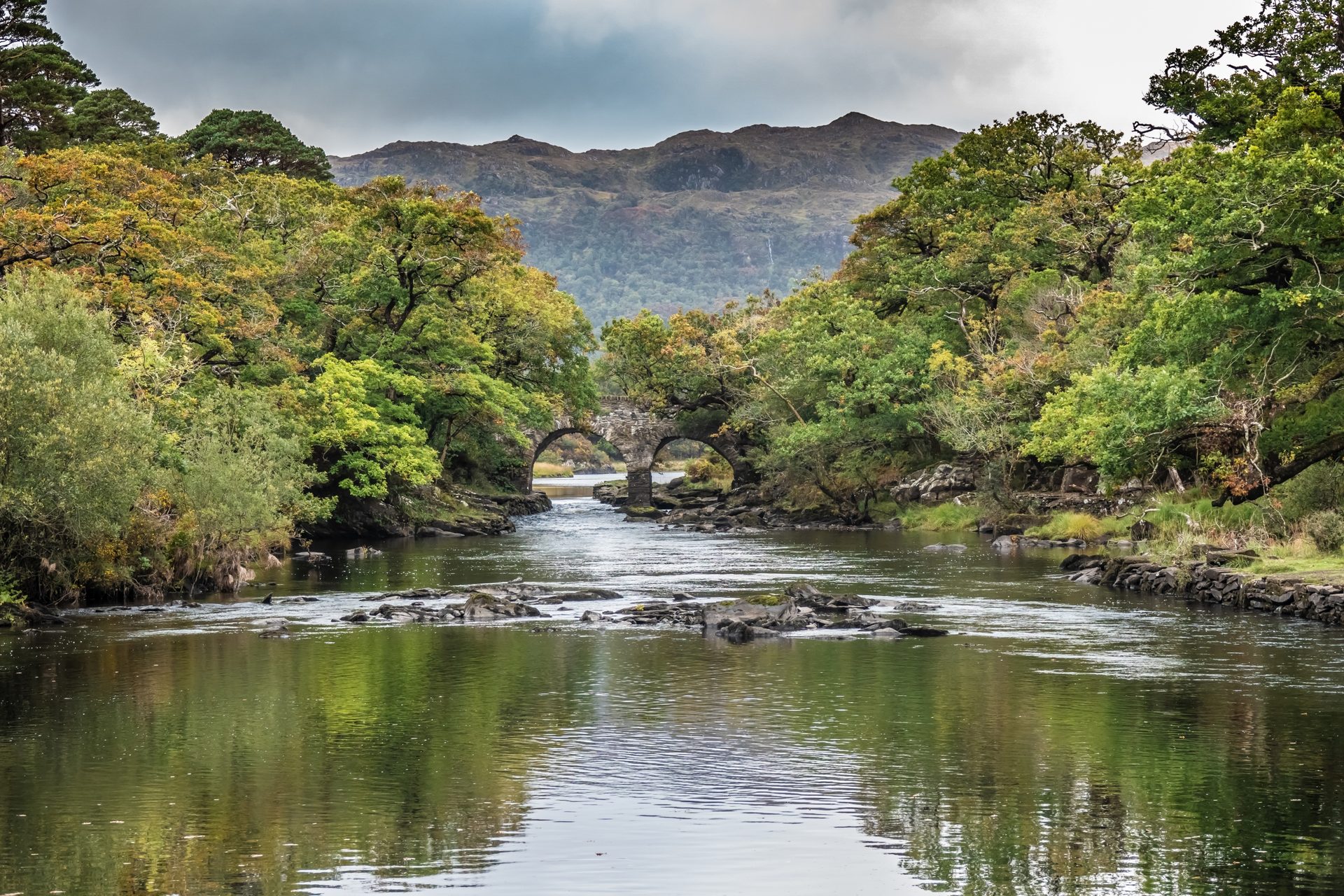
Green light for Torc Dinis walkway
Planning approval has been granted for a long-awaited lakeside walkway and cycleway connecting Torc and Dinis inside Killarney National Park.
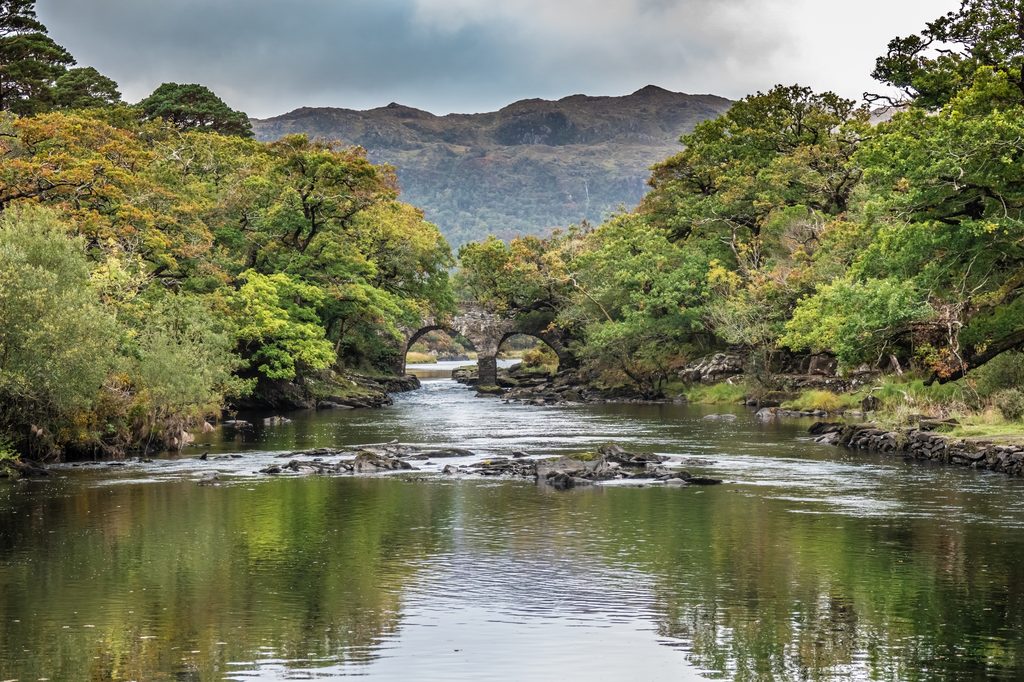
An Coimisiún Pleanála confirmed permission for the elevated platform project, which will complete the popular scenic loop while removing a dangerous 800-metre section along the busy N71 Killarney to Kenmare road.
Walkers and cyclists currently have to navigate narrow bends alongside heavy vehicular traffic and tour buses to complete the circuit between the Dinis and Torc car parks.
Mayor of Killarney John O’Donoghue welcomed the decision, calling it a transformative development for the region: “Since beginning in the Council in 2021, this has been one of my priorities as an issue I inherited from my predecessor Michael Gleeson, he being the first person to initially pursue the idea. I have repeatedly kept it on the agenda at Council meetings and now delighted to see we finally have positive news as this decision, which has been long overdue and eagerly awaited, will prove transformative for the area.”
Mayor O’Donoghue added: “The path, which will be on the lakeside, will offer views to rival those anywhere in the world and I have no doubt will prove very popular with locals and visitors alike. Huge credit is due to Kerry County Council and the NPWS for their co-operation on the issue. Once the decision has passed through its statutory waiting period, the design and tender stage can begin.”
The project, which will be built on a raised platform to protect the natural habitat beneath, will also be fully accessible for people with mobility issues. Killarney Chamber of Tourism and Commerce also welcomed the green light, noting that the completed loop will create a major safe attraction showcasing Muckross Lake, Dinis Cottage, and the Old Weir Bridge.
LAKESIDE PATH: An Coimisiún Pleanála has approved planning permission for a new raised walkway and cycleway connecting Torc and Dinis in Killarney National Park.
LOCAL GOLD: Terrie O’Shea, founder and owner of Killarney-based business Sorella Berries, celebrating her Gold award win at the Blas na hÉireann Irish Food Awards held in Dingle last week. Her hand-crafted chocolate covered strawberries secured the top spot in national competition, earning recognition for the local food producer on the national stage.


Green light for Torc to Dinis walkway
Green light for Torc Dinis walkway Planning approval has been granted for a long-awaited lakeside walkway and cycleway connecting Torc...
LOCAL GOLD:
LOCAL GOLD: Terrie O’Shea, founder and owner of Killarney-based business Sorella Berries, celebrating her Gold award win at the Blas...


Grady demands Killarney traffic review
Killarney councillor Martin Grady has called for an urgent review of traffic management across the town following severe delays along...


Killarney Pumpkin Farm returns for Halloween
The annual event is in its sixth year and caters to people of all ages. The farm is located in...


Killarney Toastmasters host special open night
Killarney Toastmasters is inviting members of the local community to an open night at the Dromhall Hotel on Muckross Road...


Fossa Swimmers make a splash at County Finals
The Fossa Swim team pictured at the Tralee Sports Complex following their successful outing at the County Finals of the...

On the Ball Part 2 of the Mikey Daly Interview
Éamonn Fitzgerald EF: Killarney Celtic are invited to participate in an Irish competition. That has big financial implications for travel,...


LUKE MANGAN recently caught up with Kerry FC’s manager, Colin Healy.
He spoke to him about his careers as a player and manager. Here’s how it went: When you began your...


Home cup tie for St Paul’s could be epic
Paudie O’Connor National Cup (Round 1) Utility Trust St Paul’s v GCU Brunell Saturday 7.30pm Killarney Sports and Leisure Centre...


Chances of Kerry v Cork Munster final in 2026 decrease as Munster GAA delay seeding plan
After facing a backlash from Limerick, Clare, Waterford and Tipperary players, Munster GAA have postponed their plan to keep Cork...