
News
If you don’t like Good Friday drinking, don’t drink on Good Friday

T
The passing of the new intoxicating liquor bill, which will allow bars to sell alcohol on Good Friday for the first time since 1927, has (perhaps unsurprisingly) been met with fierce opposition in certain circles.
Some see it as yet another example of modern society carelessly discarding a long-standing tradition. There’s an element of truth to that, but just because a custom has been there forever doesn’t make it right. Ireland in 2018 is a very different place to the Ireland of 1927 so surely it makes sense that the laws governing its people should evolve at a similar pace.
This was a devoutly Catholic country 90 years ago so banning the sale of alcohol on the day of Jesus’ death, as well as on the day of his birth and St Patrick’s Day, may well have been an appropriate measure at the time. But times change. Even by 1960, people had successfully campaigned for the St Patrick’s Day ban to be lifted. Similar rules, such as not being allowed to eat meat on Friday, have also largely disappeared.
Religion simply isn’t as relevant to Irish people’s lives as it once was. Why should non-believers, or those of a different faith, or even Catholics who simply don’t agree with this particular tradition, be forced to live with a law that is explicitly Catholic in its nature?
Personally I’d be of the opinion that religion should have no influence whatsoever on our legal system. Thankfully most Irish people, certainly amongst my generation, seem to agree, as evidenced by the outcome of the marriage equality referendum in 2015. Although this current debate is more trivial, I can see very distinct parallels between the two.
Then as now those of a religious persuasion saw the law change as an attack on their personal beliefs. But the laws in question don’t actually affect them on a personal level. At the time of the marriage referendum, gay rights activists said, “If you don’t like gay marriage, don’t get gay married”. The same logic can be applied to the removal of the drinking ban. If you don’t like drinking on Good Friday, don’t drink on Good Friday.
The new bill doesn’t state that every Irish citizen is now required to go on the lash on Good Friday, just as the legalisation of gay marriage hasn’t forced people unwillingly into gay marriages.
We’re talking about personal choices that affect the people making them on a strictly personal level. Let’s treat them as such.

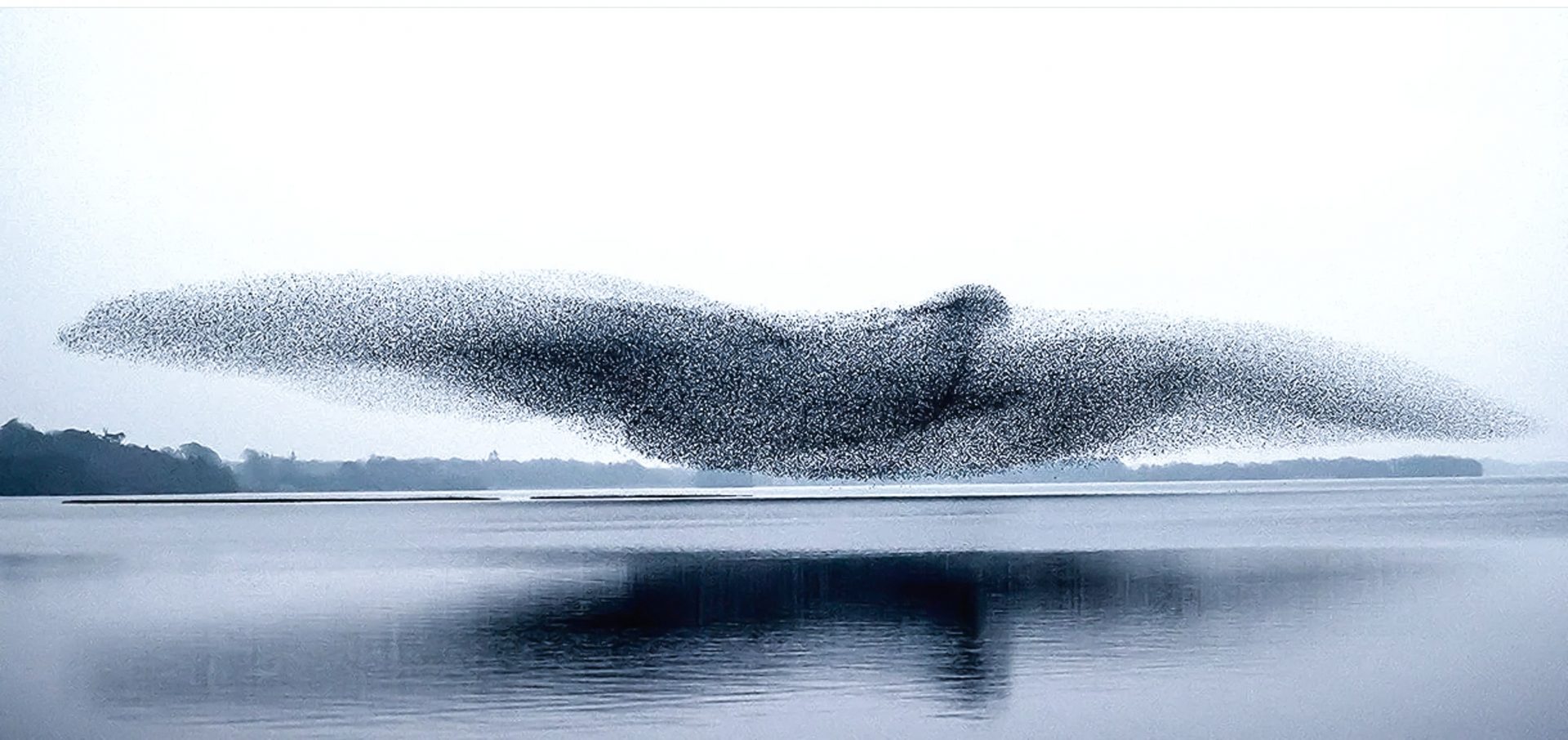
Killarney National Park Autumn Talks up and running
Following a successful opening presentation by award-winning photographer James Crombie on the mesmerising starling murmuration’s of Lough Ennell, the 38th annual Killarney National Park Autumn Talks Series continues next week with a focus on Irish biodiversity.
The lineup for Thursday, October 15, features guest speaker Professor Grace McCormack of University College Galway, who will present a talk on “The Importance of Native Honeybees and Other Pollinators and Current Threats to Their Survival”.
Prof. McCormack’s address will explore the vital role native bees play in local ecosystems, the environmental pressures threatening their populations, and the conservation efforts required to ensure their survival.
Last night’s (October 8) opening talk, saw Inpho Sports Photography staff photographer James Crombie kick off the six-week series.
Crombie, named Irish Press Photographer of the Year in 2021, 2022, and 2025, shared the story behind his famous images documenting Westmeath’s starling displays, which reached millions of viewers worldwide.
The Autumn Talks Series runs weekly for six weeks in the Killarney House Auditorium (V93 HE3C) at 8.00pm. Admission is free, though seating is limited. All presentations are also live streamed via the Killarney National Park Facebook page.
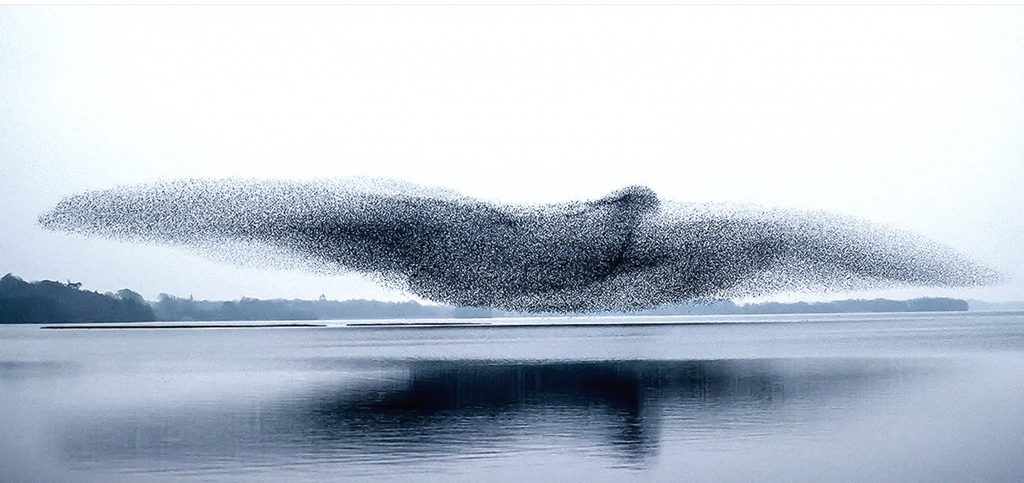
MESMERISING NATURE: Multi-award-winning photographer James Crombie, who opened the 38th annual Killarney National Park Autumn Talks Series with a presentation on his famous starling murmuration photographs.
Missing Killarney chef located dead in UK
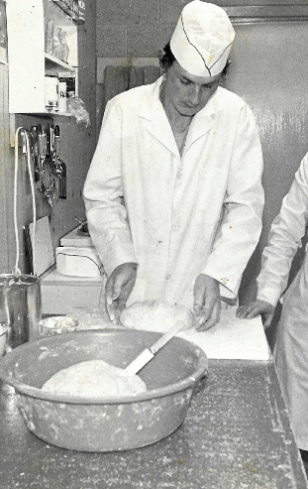
A 34-year search for missing former Killarney chef Patrick (Patsy) O’Sullivan ended following confirmation that he was located deceased in the UK.
Patsy was 35 years old when last seen by relatives in Lombardstown, County Cork, during the Easter Bank Holiday weekend in April 1992. At the time of his disappearance, he was working as a chef in Waterville, having previously worked across several Killarney hotels. He was scheduled to attend a family Christening shortly after returning from Kerry, but never arrived.
Despite decades of public appeals, including features on RTÉ’s Crimecall, his location remained unknown.
Investigations revealed that Patsy moved to the UK and changed his name to Patrick Aldridge in 1995, adopting the surname of his partner who passed away in 2022. He passed away from natural causes on July 5, 2024, living just over an hour away from his brother who also passed away in the UK last year.
Speaking on Cork’s 96FM, his brother Jerry O’Sullivan confirmed the family finally received closure following renewed efforts led by Garda PJ Roche and investigating officers. He noted that while unanswered questions remain about why Patsy started over fresh, the family is grateful for the work that brought final answers.
An Garda Síochána confirmed the missing person case is closed and thanked the public for their assistance over the years.
IN MEMORY: Patrick (Patsy) O’Sullivan, a native of North Cork who worked as a chef in Killarney and Waterville, went missing in April 1992 and was located deceased in the UK. Photo: Garda Press Office.

Killarney National Park Autumn Talks up and running
Killarney National Park Autumn Talks up and running Following a successful opening presentation by award-winning photographer James Crombie on the...

Missing Killarney chef located dead in UK
Missing Killarney chef located dead in UK A 34-year search for missing former Killarney chef Patrick (Patsy) O’Sullivan ended following...


Speed cameras go live at Farranfore level crossing
Speed cameras go live at Farranfore level crossing An Garda Síochána, Iarnród Éireann, Transport Infrastructure Ireland, and Kerry County Council...


Conference on historic Annals of Inisfallen
Conference on historic Annals of Inisfallen A full-day conference dedicated to one of Ireland’s most important surviving medieval manuscripts will...

Gneeveguilla apprentice wins national stonemasonry title
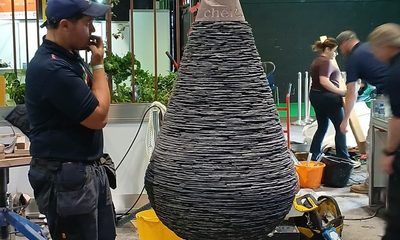
Gneeveguilla apprentice wins national stonemasonry title Darragh O’Sullivan from Gneeveguilla won the overall prize in the Architectural Stonemasonry category at...


Fossa Swimmers make a splash at County Finals
The Fossa Swim team pictured at the Tralee Sports Complex following their successful outing at the County Finals of the...


On the Ball Part 2 of the Mikey Daly Interview
Éamonn Fitzgerald EF: Killarney Celtic are invited to participate in an Irish competition. That has big financial implications for travel,...


LUKE MANGAN recently caught up with Kerry FC’s manager, Colin Healy.
He spoke to him about his careers as a player and manager. Here’s how it went: When you began your...


Home cup tie for St Paul’s could be epic
Paudie O’Connor National Cup (Round 1) Utility Trust St Paul’s v GCU Brunell Saturday 7.30pm Killarney Sports and Leisure Centre...


Chances of Kerry v Cork Munster final in 2026 decrease as Munster GAA delay seeding plan
After facing a backlash from Limerick, Clare, Waterford and Tipperary players, Munster GAA have postponed their plan to keep Cork...
