
News
How to help your child build strong bones!


By Kayleigh Cronin, a professionally certified Youth Coach
It’s easy for us adults, as well as children, to take our bones for granted.


After all, they do all their work behind the scenes, but when a bone breaks, it’s a pretty big deal and bones take time to heal.
The very same as building a house, before you do anything else you will need a very solid foundation. Having strong bones in childhood is the exact same thing, this lays a foundation for bone health throughout life. We build almost all our bone density when we’re children and teens.
Childhood is the time when you lay the foundation stone of your mental, emotional and physical health. Children, however, are unaware of how to make a healthy start. This responsibility, thus, falls upon the parents. As a parent or guardian, you should ensure that your kids are receiving sufficient nutrients needed for their growth.
Kids with strong bones have a better chance of avoiding bone weakness later in life. As a parent, you can help by making sure kids get the three key ingredients for healthy bones: calcium, Vitamin D, and exercise.
High-calcium foods
Calcium is a mineral that’s known for building healthy bones. Developing dietary habits that support bone health should start at an early age. Instilling healthy lifestyle habits in young children will go a long way in protecting them from osteoporosis in the future. Foods that are great for building strong bones include: milk, yoghurt, cottage cheese, mozzarella, tofu, orange juice, and salmon. Plants high in bone-protective antioxidants such as kale, broccoli, and parsley will also help create healthy bones during childhood.
Vitamin D supplement
Vitamin D (sometimes labelled Vitamin D3) helps the body absorb calcium. But most kids don’t eat many foods that contain Vitamin D. And because this vitamin is so important, health care providers recommend all kids take it if they don’t get enough in their diet.
Encourage kids to exercise
If you want strong bones, you have to use them. Bones grow in both size and strength during childhood, and one major contributor to bone development is exercise. Children should have at least 35 to 60 minutes of exercise each day. The bone mass gained through physical activity during childhood helps determine how healthy bones will be throughout their life.
Weight bearing exercise is the best type of exercise for growing bones. Bone is living tissue, and weight bearing activity causes bones to build more cells and become strong. Bone constantly reforms due to everyday stress placed upon it, and physical activities work bones and muscles against gravity.
Exercises for bone health: walking, running, jumping, landing, hiking, climbing, crawling, dancing, football, basketball, skateboarding, gymnastics, lifting weights, and skipping.
Activate has a youth Strength and Conditioning programme which is run five days a week in different age groups:
* ActivateKids (5-8-year-olds) – Runs on Mondays and Thursdays at 3.30pm
* ActivateKids (9-12-year-olds) – Runs Tuesdays and Fridays at 3.30pm
* ActivateYouth (13+) – Runs on Wednesdays at 3.30pm and Fridays at 5.30pm
Kayleigh Cronin is a Professionally Certified Youth Coach with Brand X as well as holding a BSc in Athletic Therapy and Training and a MSc in Strength and Conditioning.

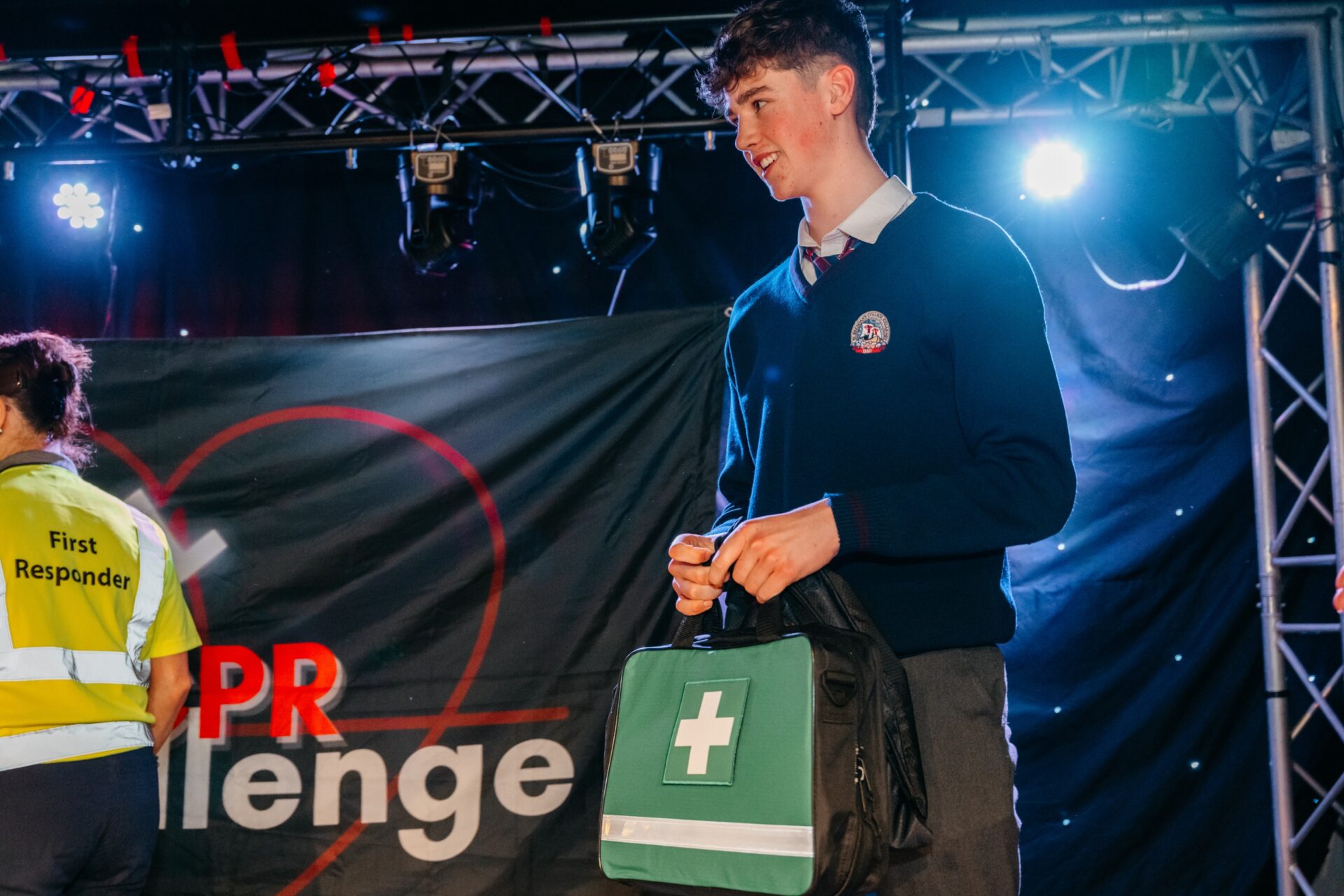

St Brendan’s student Aodhagan O’Sullivan crowned CPR champion
Aodhagan O’Sullivan, a student at St Brendan’s College, Killarney, has been named the 2026 School CPR Challenge Champion. The prestigious...

Cllrs demand meeting with HSE property officials
Killarney councillors are seeking an urgent face-to-face meeting with the HSE to prevent the town’s health infrastructure from falling into...


Maggie’s Montessori supports National Pyjama Day
The usual morning routine was swapped for slippers and dressing gowns at Maggie’s Montessori last Friday as the children took...


Incredible value at Paco warehouse clearance
Paco Clothing is to open a second shop at the Killarney Outlet Centre for March and April – and the...
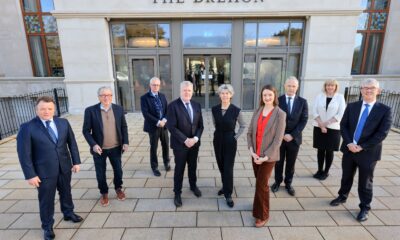

Tourism Ireland CEO Outlines Global Strategy at KTIF Tourism Day
The CEO of Tourism Ireland, Alice Mansergh, was in Killarney on Tuesday of this week to address tourism leaders from...
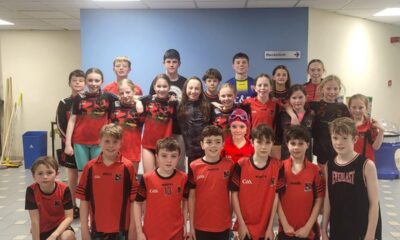

Fossa Swimmers make a splash at County Finals
The Fossa Swim team pictured at the Tralee Sports Complex following their successful outing at the County Finals of the...
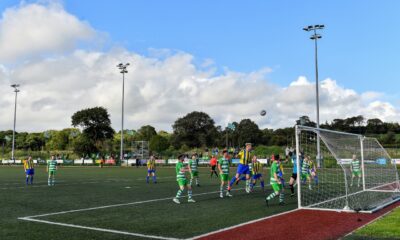

On the Ball Part 2 of the Mikey Daly Interview
Éamonn Fitzgerald EF: Killarney Celtic are invited to participate in an Irish competition. That has big financial implications for travel,...


LUKE MANGAN recently caught up with Kerry FC’s manager, Colin Healy.
He spoke to him about his careers as a player and manager. Here’s how it went: When you began your...
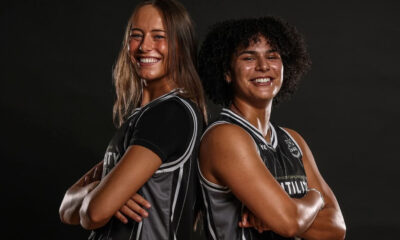

Home cup tie for St Paul’s could be epic
Paudie O’Connor National Cup (Round 1) Utility Trust St Paul’s v GCU Brunell Saturday 7.30pm Killarney Sports and Leisure Centre...


Chances of Kerry v Cork Munster final in 2026 decrease as Munster GAA delay seeding plan
After facing a backlash from Limerick, Clare, Waterford and Tipperary players, Munster GAA have postponed their plan to keep Cork...
