News
Half a century on the hoof at the track

A
A wonderful tradition that dates back half a century will be maintained at Killarney Races this week when a third generation of one local family will provide the all-important farrier service at the track.
Timmy McGillycuddy from Ballydribeen, Killarney, will follow in his father and grandfather’s footsteps when he joins his dad, Pa, in the farrier forge at the racecourse for the five-day July festival.
The link with the track goes all the way back to 1969 when Patrick McGillycuddy senior – who trained at Murphy’s Forge in Barraduff – was engaged by the Race Company to put his skills as a blacksmith to good use.
He passed on his know-how and knowledge to his son, Pa, who is a legendary personality in the industry and, in turn, Timmy took up the trade to ensure the great tradition and top class service continues with father and son working side by side.
“Our 50-year association with the local racecourse is a great milestone and it’s certainly a landmark worth celebrating,” said Timmy.
While some of the raw materials used might have changed significantly over the past five decades, the essential tools of the trade remain constant and the skills of half a century ago are identical to those used today.
“There might be better nails and shoes and better quality aluminium available now but the principles of the trade remain the same,” said Timmy.
He explained that a farrier’s goal is still to make a horse’s gait as efficient as possible to ensure comfort, increased athletic ability, greater balance and smoother movement.
The McGillycuddy family operates a busy forge at Ballydribeen where pride of place goes to an anvil dating all the way back to 1800 and it has stood the test of time.
It was sourced in the historic Churchtown Estate in Beaufort – where Beaufort Golf Course now stands. The spectacular Georgian house was built in 1740 by Sir Rowland Blennerhassett and the estate was bought in 1860 by James Magill who turned it into one of the largest dairy farms in the south west.

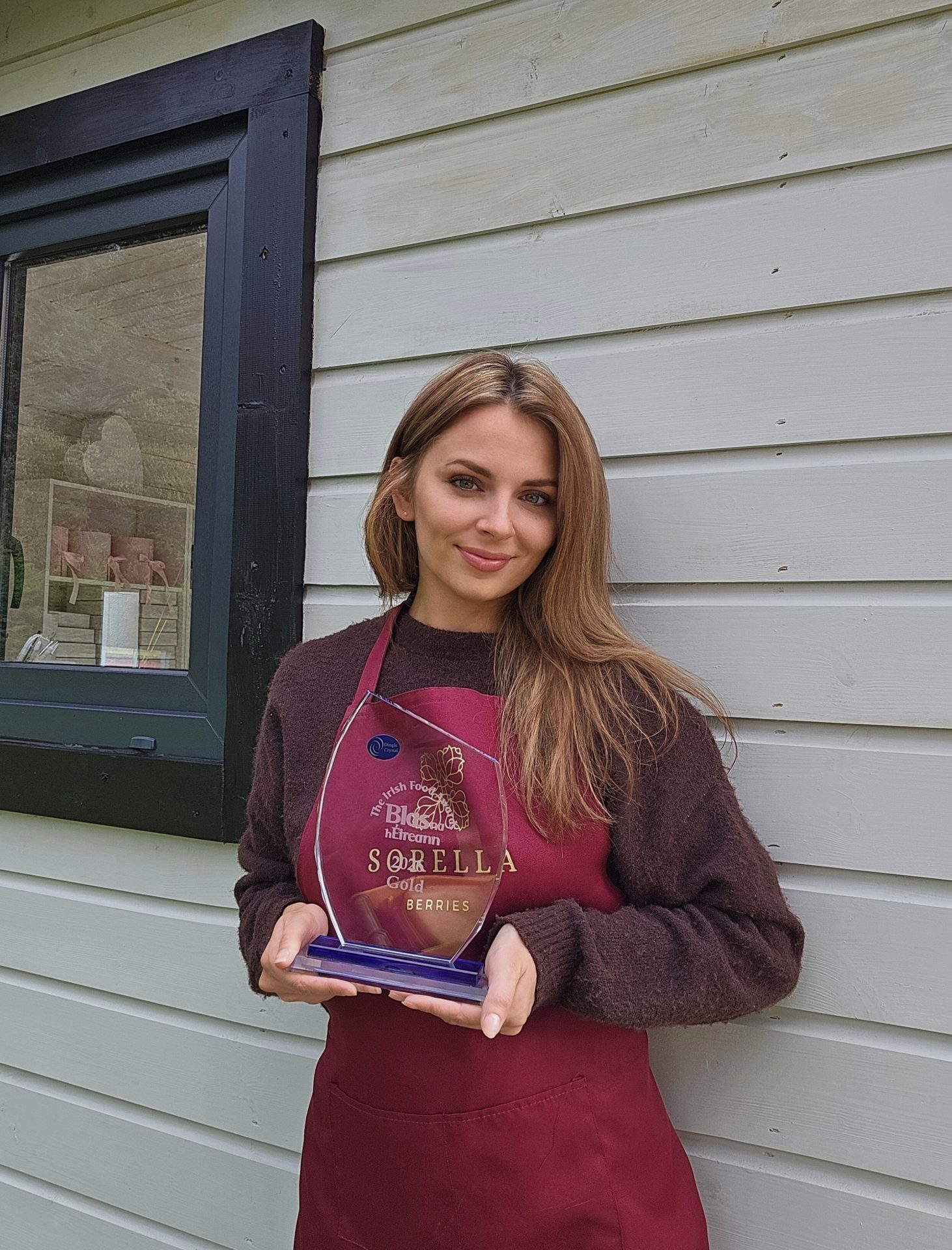
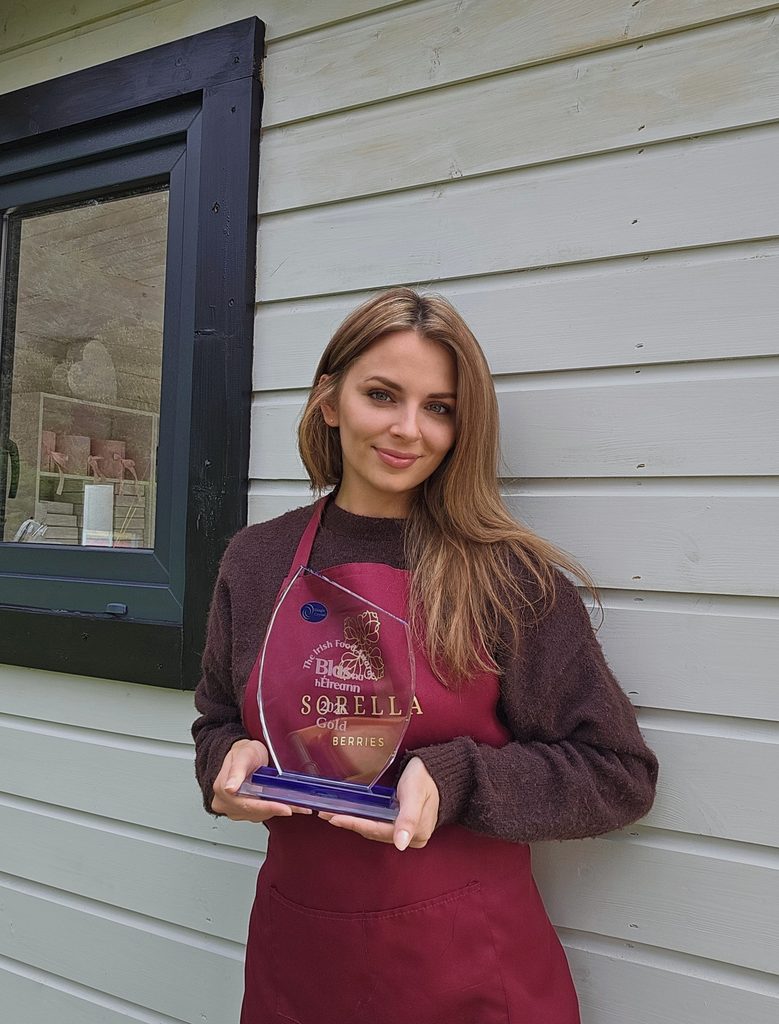
LOCAL GOLD: Terrie O’Shea, founder and owner of Killarney-based business Sorella Berries, celebrating her Gold award win at the Blas na hÉireann Irish Food Awards held in Dingle last week. Her hand-crafted chocolate covered strawberries secured the top spot in national competition, earning recognition for the local food producer on the national stage.
LOCAL GOLD:
LOCAL GOLD: Terrie O’Shea, founder and owner of Killarney-based business Sorella Berries, celebrating her Gold award win at the Blas...

Grady demands Killarney traffic review
Killarney councillor Martin Grady has called for an urgent review of traffic management across the town following severe delays along...
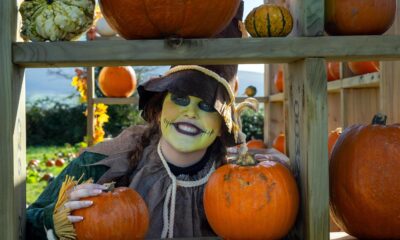

Killarney Pumpkin Farm returns for Halloween
The annual event is in its sixth year and caters to people of all ages. The farm is located in...


Killarney Toastmasters host special open night
Killarney Toastmasters is inviting members of the local community to an open night at the Dromhall Hotel on Muckross Road...
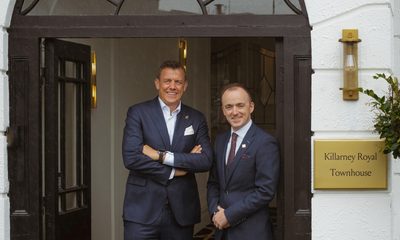

Killarney hotels achieve top global rankings in Readers’ Choice Awards
Killarney hotels achieve top global rankings in Readers’ Choice Awards Two leading Killarney hotels are celebrating major international accolades following...
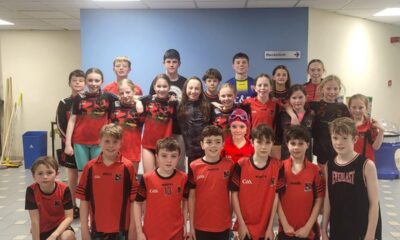

Fossa Swimmers make a splash at County Finals
The Fossa Swim team pictured at the Tralee Sports Complex following their successful outing at the County Finals of the...
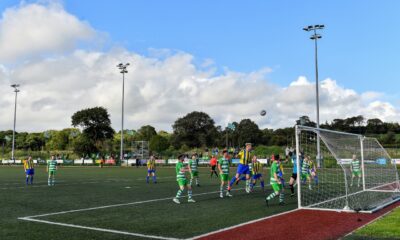

On the Ball Part 2 of the Mikey Daly Interview
Éamonn Fitzgerald EF: Killarney Celtic are invited to participate in an Irish competition. That has big financial implications for travel,...
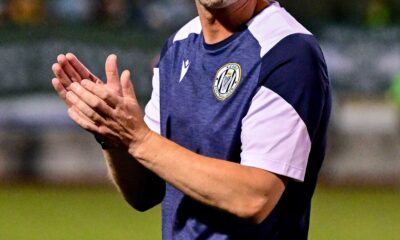

LUKE MANGAN recently caught up with Kerry FC’s manager, Colin Healy.
He spoke to him about his careers as a player and manager. Here’s how it went: When you began your...


Home cup tie for St Paul’s could be epic
Paudie O’Connor National Cup (Round 1) Utility Trust St Paul’s v GCU Brunell Saturday 7.30pm Killarney Sports and Leisure Centre...


Chances of Kerry v Cork Munster final in 2026 decrease as Munster GAA delay seeding plan
After facing a backlash from Limerick, Clare, Waterford and Tipperary players, Munster GAA have postponed their plan to keep Cork...