
News
Fly tipping biggest cause of litter in National Park

F
Fly tipping biggest cause of litter in National Park
By Sean Moriarty
Fly tipping is the biggest cause of litter in the National Park and it is causing problems for the park’s wildlife.
That is according to the park’s Conservation Ranger Peter O’Toole.
Mr O’Toole has been monitoring deer activity in the park for over 30 years.
Last week he took a photograph of a stag with a plastic rubbish bag trapped in his antlers.
It was taken on Saturday September 21, the day after 1000s of Killarney students took part in a climate change rally in the town.
Overall, litter is not a huge issue in the park, Mr O’Toole stated but at the times of heavy rains, litter and other rubbish tends to get washed down the rivers Flesk and Deenagh and into to the lakes.
“Wave action on the lakes brings this rubbish the to the shore, the issue is fly tipping further up the catchment area,” he told the Killarney Advertiser. “This is mating or rutting season and deer tend to scrape the ground in frustration so this is the only time of the year you would see something like this. But I have seen it more and more in recent years. I am working in the park since the 1980s and would not have seen this in the past.”
Single use plastic bottles is another growing problem in the park. Once the vegetation starts to thin in the autumn months, bottles that were discarded during the busy summer months become more visible.
“We see a lot more plastic than we did in the past,” he added. “But groups like Valley Rowing Club and Lough Lein Anglers volunteer to clean up the lakes shores. “

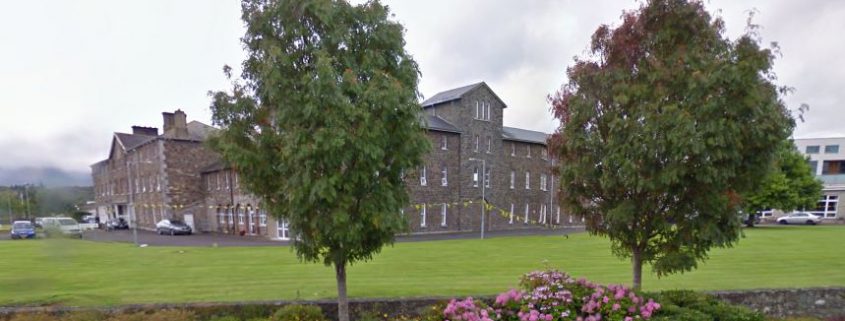
A design team has been appointed to advance plans for the proposed Minor Injury Unit on the grounds of St Columbanus Home though the HSE has confirmed it cannot yet give a construction or opening timeline.
Fianna Fáil TD Deputy Michael Cahill received the update in response to a Parliamentary Question submitted to the Minister for Health. HSE South West confirmed the newly appointed team will progress the project through design development, planning, and regulatory approval following the transfer of residents to the new Killarney Community Nursing Unit.
Deputy Cahill welcomed the appointment of the design team but raised concerns over the lack of a definitive schedule.
“I welcome the appointment of a design team, which represents progress towards delivering this important facility. However, I am concerned that the HSE is still unable to provide a definitive timeline. Previous indications from HSE officials pointed towards construction commencing in 2026, with completion anticipated in 2027. We now need clarity on the project schedule and assurances that there will be no unnecessary delays,” Deputy Cahill said.
He noted that the facility is vital to serve Killarney and the wider east, mid, and south Kerry regions while relieving pressure on the Emergency Department at University Hospital Kerry.
The HSE also confirmed it is finalising a broader review of healthcare accommodation across Killarney to develop the St Columbanus campus as an integrated healthcare hub.
“As a member of the Oireachtas Joint Committee on Health, I will continue to press the HSE and the Minister for Health to ensure this project is progressed without further delay. People across Killarney, east, mid, west and south Kerry deserve certainty. The appointment of a design team is welcome but the next priority must be getting this project to construction and delivering the facility,” Deputy Cahill concluded.
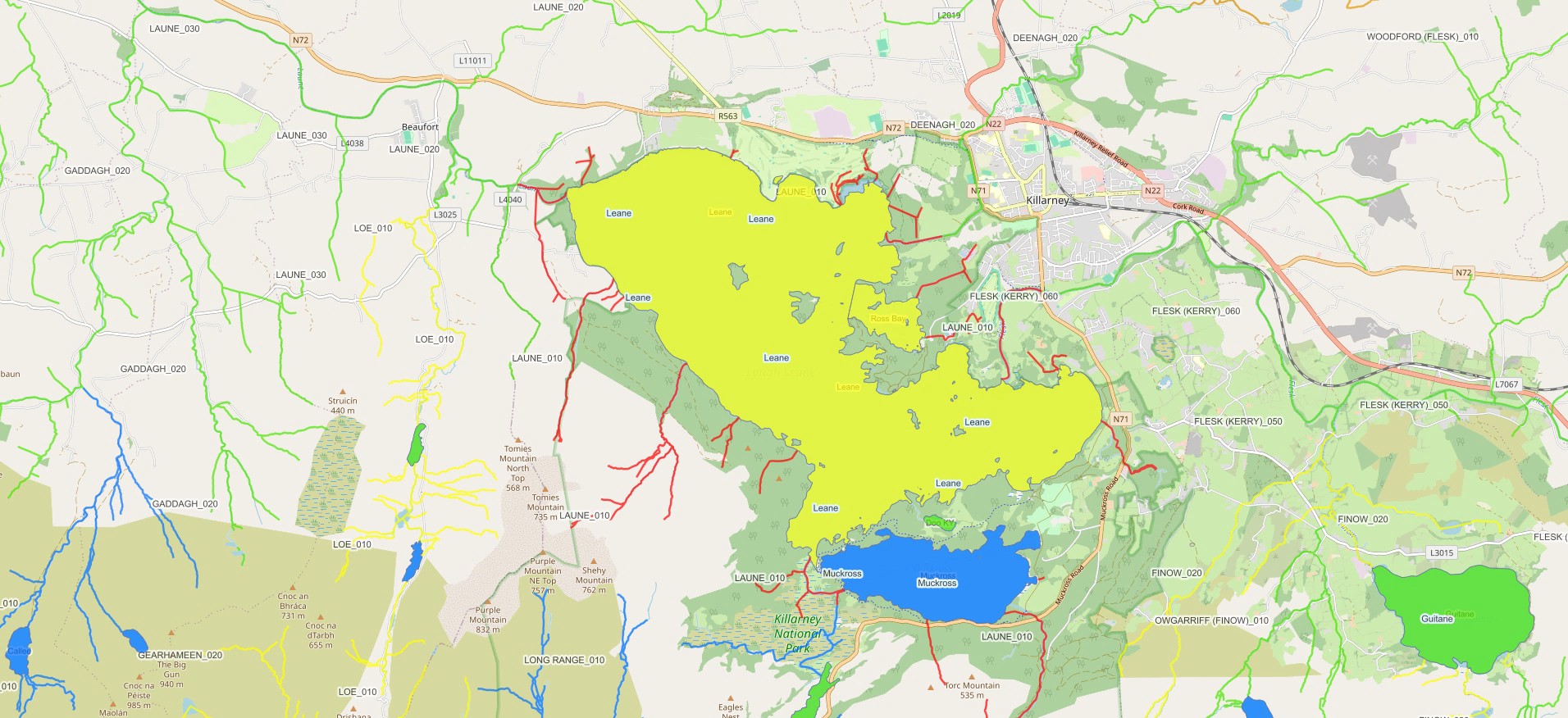
Lochanna Beo’s mapping highlights water quality concerns
Local environmental action group Lochanna Beo has released mapping data from the Environmental Protection Agency (EPA) to draw attention to deteriorating water quality across Killarney and the broader Laune Catchment.
The EPA map uses a colour-coded system to rate water quality status from 2019 to 2024: blue indicates high status, green indicates good, yellow represents moderate, brown denotes poor, and red signifies bad status.
The figures indicate significant ecological pressure on local lakes and rivers compared to neighbouring areas across County Kerry.
Formed during the summer of 2026, Lochanna Beo aims to bring together residents, business owners, agricultural operators, and public bodies to address the key factors affecting the regional aquatic ecosystem.
The community initiative is seeking direct engagement with relevant statutory authorities to implement practical restoration measures and protect the long-term health of Killarney’s water bodies.

Design team appointed for injury unit
A design team has been appointed to advance plans for the proposed Minor Injury Unit on the grounds of St...
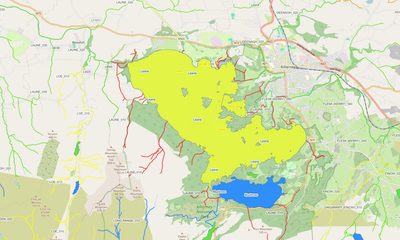

Lochanna Beo’s mapping highlights water quality concerns
Lochanna Beo’s mapping highlights water quality concerns Local environmental action group Lochanna Beo has released mapping data from the Environmental...
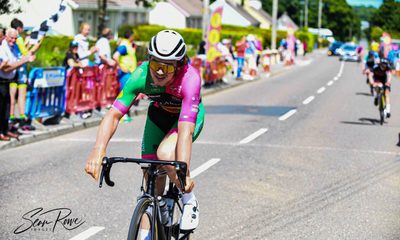

Stefan Caulfield-Dreier signs professional cycling contract
Former Killarney Cycling Club rider Stefan Caulfield-Dreier has secured a professional contract with leading Dutch-based outfit Azerion-Villa Valkenburg. The 23-year-old...


Church seeks creative Christmas trees for festival
Church seeks creative Christmas trees for festival The Methodist Church in Killarney is inviting local schools, community groups, businesses, and...


€6,000 Scrooge Giveaway!
€6,000 Scrooge Giveaway! Six lucky audience members will each walk away with €1,000 as the Gleneagle Arena welcomes an extraordinary...
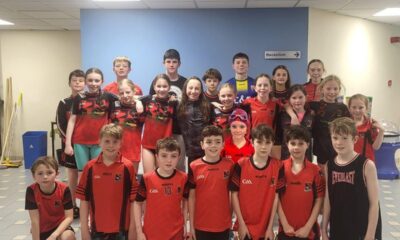

Fossa Swimmers make a splash at County Finals
The Fossa Swim team pictured at the Tralee Sports Complex following their successful outing at the County Finals of the...

On the Ball Part 2 of the Mikey Daly Interview
Éamonn Fitzgerald EF: Killarney Celtic are invited to participate in an Irish competition. That has big financial implications for travel,...


LUKE MANGAN recently caught up with Kerry FC’s manager, Colin Healy.
He spoke to him about his careers as a player and manager. Here’s how it went: When you began your...


Home cup tie for St Paul’s could be epic
Paudie O’Connor National Cup (Round 1) Utility Trust St Paul’s v GCU Brunell Saturday 7.30pm Killarney Sports and Leisure Centre...


Chances of Kerry v Cork Munster final in 2026 decrease as Munster GAA delay seeding plan
After facing a backlash from Limerick, Clare, Waterford and Tipperary players, Munster GAA have postponed their plan to keep Cork...
