News
Contracts signed for micro track project – construction to being next month

CONTRACTS SIGNED: Cathal O'Brien (Chairman Killarney Micro Track second from left) and Cllr Niall Kelleher (Chairman Kerry Local Action Group) signing the contracts for the Killarney Micro Track at St Brendan's College, Killarney on Monday, with (front) Jordan Lee Athlete, Bridget Stack Tres (Killarney Micro Track), Sean de Buitlear (SKDP), Sean Coffey (Secretary Killarney Micro Track and Principal St Brendan's College Killarney). Back from left: Jerry Griffin (Project Coordinator), John O'Shea, Sean O'Sullivan (Chairman Kerry Community Games), Michael Murphy, Eileen Switzer, Cllr John Sheahan (Mayor of Killarney Municipal Area), Jean Courtney (Killarney Micro Track), John Hickey (Hickey Design) and Tomas Griffin (Killarney Micro Track Committee).
By Sean Moriarty
The sod was finally turned for the Killarney Micro Track on Monday evening - with construction confirmed to begin on June 24.
The micro track, also known South and East Kerry Community Rural Track project, will be located at St Brendan’s College, and will benefit up to 2,000 students from nearby schools, athletic clubs, paralympic athletes, Special Olympics athletes and community groups.
The committee behind the project still face a shortfall of around €100,000 which they hope to offset with a loan.
However, at Monday’s sod-turning ceremony they received news from Killarney Valley Classic and Vintage Club (KVCVC) that funds from the club’s annual vintage tractor raffle will go directly towards the micro-track.
“The group hope to reduce and indeed even eliminate the loan with help of the community as it benefits all,” committee member Jerry Griffin said. “The sod turning ceremony was a matter of great pride for the members of the group, who represent such a diverse range of groups from within Killarney life.”
“Now that people see the facility in construction,” Sean O’Sullivan, Chairman of Kerry Community said, “build it and they will come.”

LOCAL GOLD: Terrie O’Shea, founder and owner of Killarney-based business Sorella Berries, celebrating her Gold award win at the Blas na hÉireann Irish Food Awards held in Dingle last week. Her hand-crafted chocolate covered strawberries secured the top spot in national competition, earning recognition for the local food producer on the national stage.

LOCAL GOLD:
LOCAL GOLD: Terrie O’Shea, founder and owner of Killarney-based business Sorella Berries, celebrating her Gold award win at the Blas...


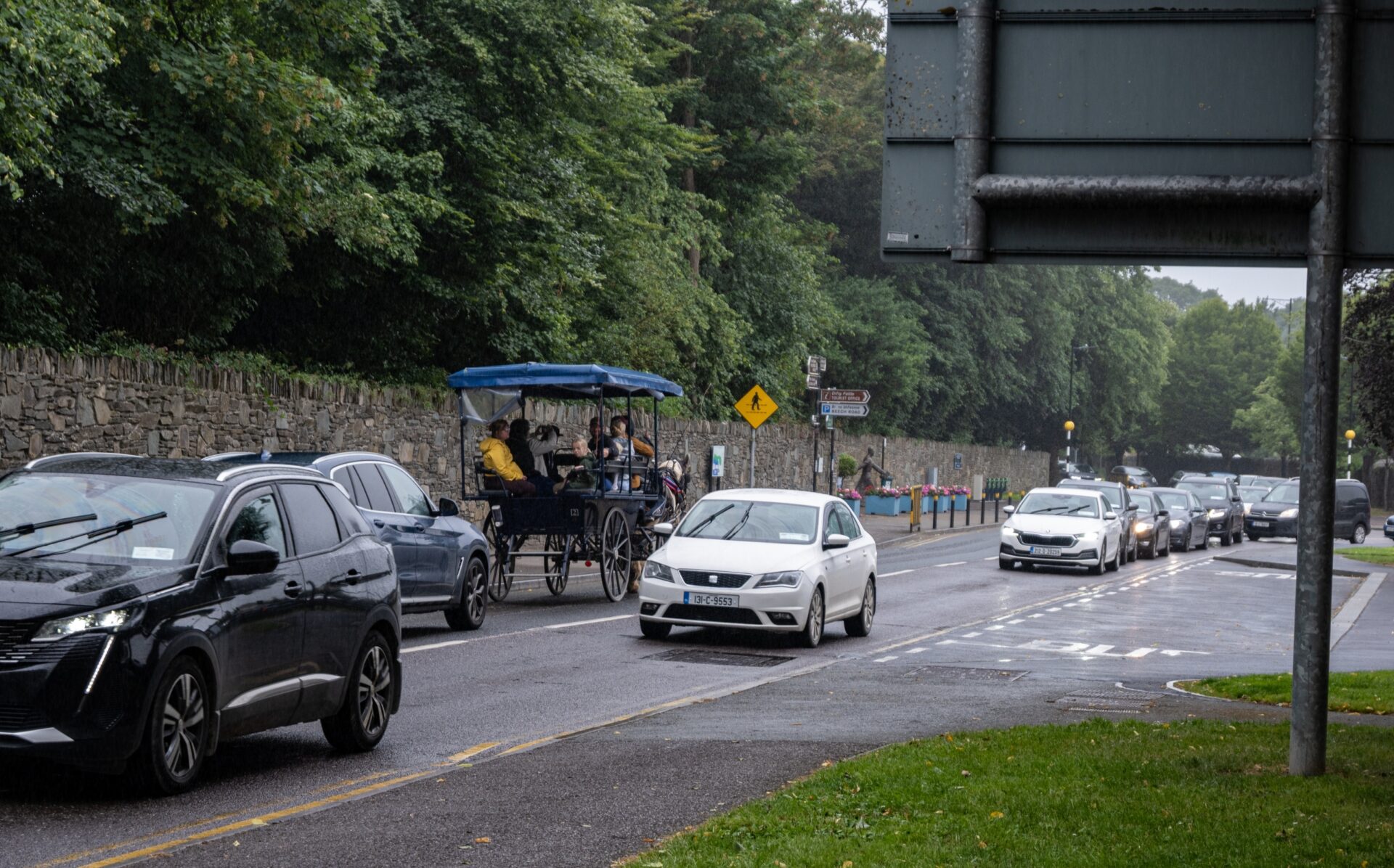
Grady demands Killarney traffic review
Killarney councillor Martin Grady has called for an urgent review of traffic management across the town following severe delays along...
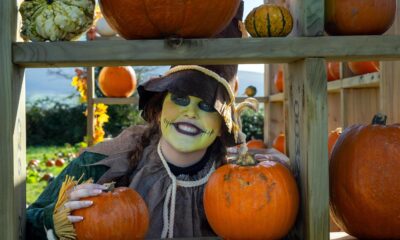

Killarney Pumpkin Farm returns for Halloween
The annual event is in its sixth year and caters to people of all ages. The farm is located in...


Killarney Toastmasters host special open night
Killarney Toastmasters is inviting members of the local community to an open night at the Dromhall Hotel on Muckross Road...
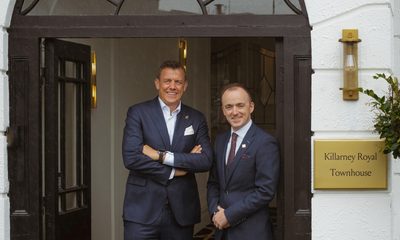

Killarney hotels achieve top global rankings in Readers’ Choice Awards
Killarney hotels achieve top global rankings in Readers’ Choice Awards Two leading Killarney hotels are celebrating major international accolades following...
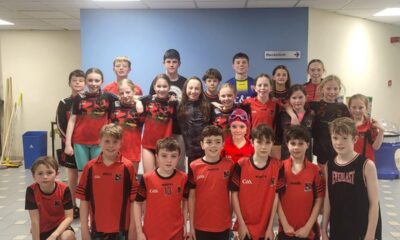

Fossa Swimmers make a splash at County Finals
The Fossa Swim team pictured at the Tralee Sports Complex following their successful outing at the County Finals of the...

On the Ball Part 2 of the Mikey Daly Interview
Éamonn Fitzgerald EF: Killarney Celtic are invited to participate in an Irish competition. That has big financial implications for travel,...


LUKE MANGAN recently caught up with Kerry FC’s manager, Colin Healy.
He spoke to him about his careers as a player and manager. Here’s how it went: When you began your...


Home cup tie for St Paul’s could be epic
Paudie O’Connor National Cup (Round 1) Utility Trust St Paul’s v GCU Brunell Saturday 7.30pm Killarney Sports and Leisure Centre...


Chances of Kerry v Cork Munster final in 2026 decrease as Munster GAA delay seeding plan
After facing a backlash from Limerick, Clare, Waterford and Tipperary players, Munster GAA have postponed their plan to keep Cork...