Connect with us

News

Average Kerry rent €1,125 – up 101% from its lowest point

Published

on

0228947_Screenshot_2022-05-11_at_144158_copy.jpg

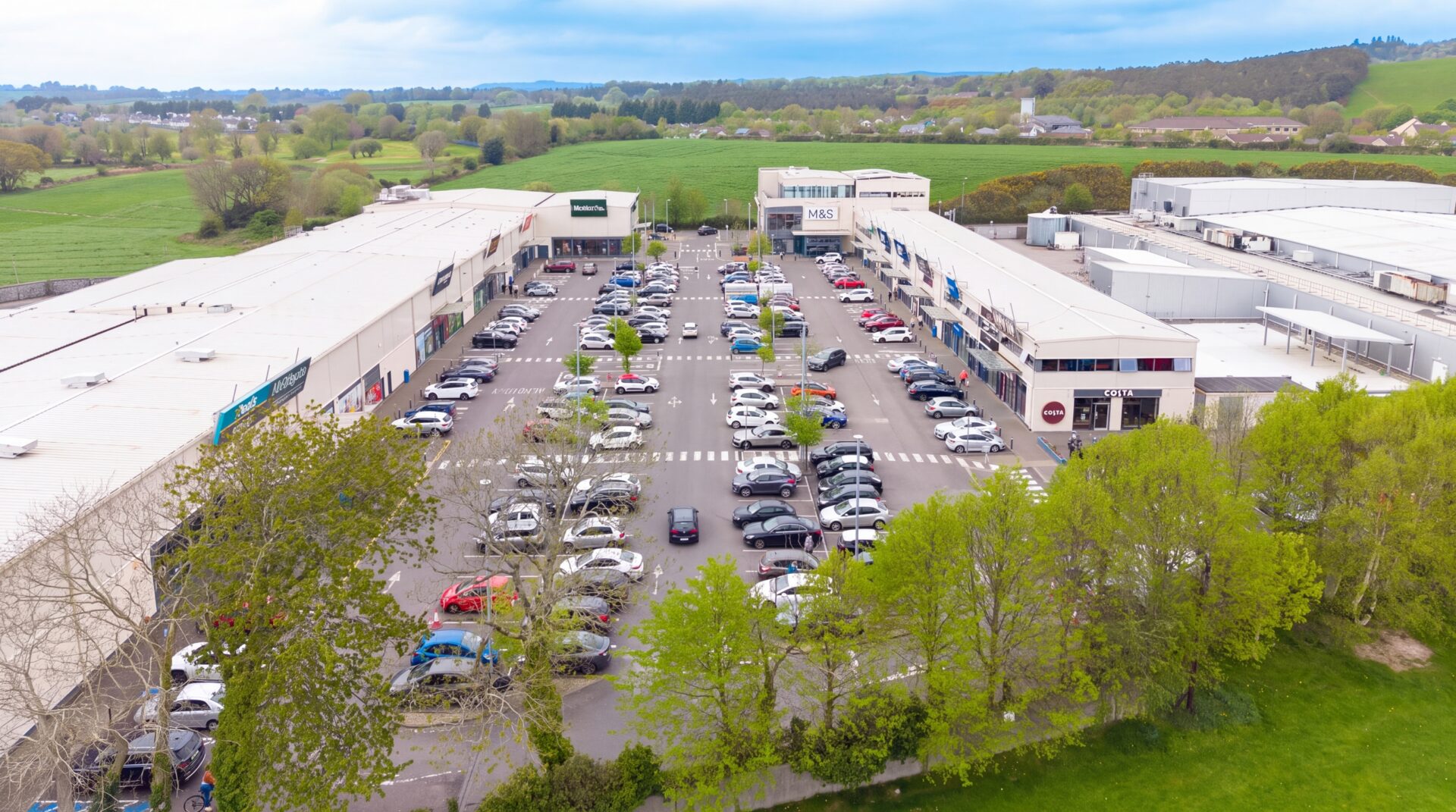
Rents in Munster rose 12.6% year-on-year, reflecting very low availability - with just 131 homes available to rent on May 1 - down over two thirds year-on-year.

In Kerry, rents were on average 15.4% higher in the first quarter of 2022 than a year previously. The average listed rent is now €1,125, up 101% from its lowest point.

Nationwide rents in the first quarter of 2022 were an average of 11.7% higher than the same period a year earlier, according to the latest Rental Report by daft.ie. The average market rent nationwide between January and March was €1,567 per month, up 2.8% on the last three months of 2021 and more than double the low of €765 per month seen in late 2011.

While there have been differences in regional trends in rents in recent quarters, the rate of increase was similar across all major regions between early 2021 and early 2022. In Dublin, market rents rose by 10.6% year-on-year, while in Cork and Galway cities, rents rose by 10.2% and 13.8%. Inflation was higher in Limerick and Waterford cities, at 15.5% and 16.2% respectively, while outside the cities the average increase was 12.7%

SCARCITY

The sharp increase in market rents around the country reflects a significant worsening in the record scarcity of rental homes. Nationwide, there were just 851 homes available to rent on May 1, down from over 3,600 a year ago and another new all-time low in a series that extends back over 15 years to 2006. The recent fall in homes to rent is seen in all regions of the country, with an 81% fall in availability in Dublin and a 66% fall elsewhere in the country. The report also includes an analysis of 72 multi-unit rental developments, which are estimated to have added at least 400 new rental homes in the last six months. Of these, it is estimated that 82% are already occupied, with occupancy in the wider multi-unit rental sector estimated to be 95% in early May, up from 93% six months ago.

The report also includes an estimate of the trend in rents for sitting tenants since 2010, as compared to new tenants paying market rates. While inflation in market rents is currently above 10%, and market rents have doubled over the past decade, ‘stayer’ rents have increased by just 1.5% over the past year and by less than 40% over the past 10 years.

“The latest figures confirm the overall strength of demand for rental accommodation in Ireland," Ronan Lyons, Associate Professor of Economics at Trinity College Dublin and author of the Daft Report, said.

"While strong demand for housing reflects underlying economic health, it becomes a challenge when there is inadequate supply to meet it. In Ireland’s case, the economy has suffered from an under-provision of new rental accommodation for over a decade. As a result, market rents have doubled and, as shown in this latest report, rental homes have become unbelievably scarce. New figures confirm that sitting tenants have experienced much smaller increases in rents – both during 2021 and over the last 10 years. Thus, the focus for policymakers must remain on creating the conditions for tens of thousands of new rental homes – market and social, all across the country – to be built over the coming years.”

Advertisement

News

Kyla Shine-Leane inspired by Michael Fassbender Masterclass

Published

on

By

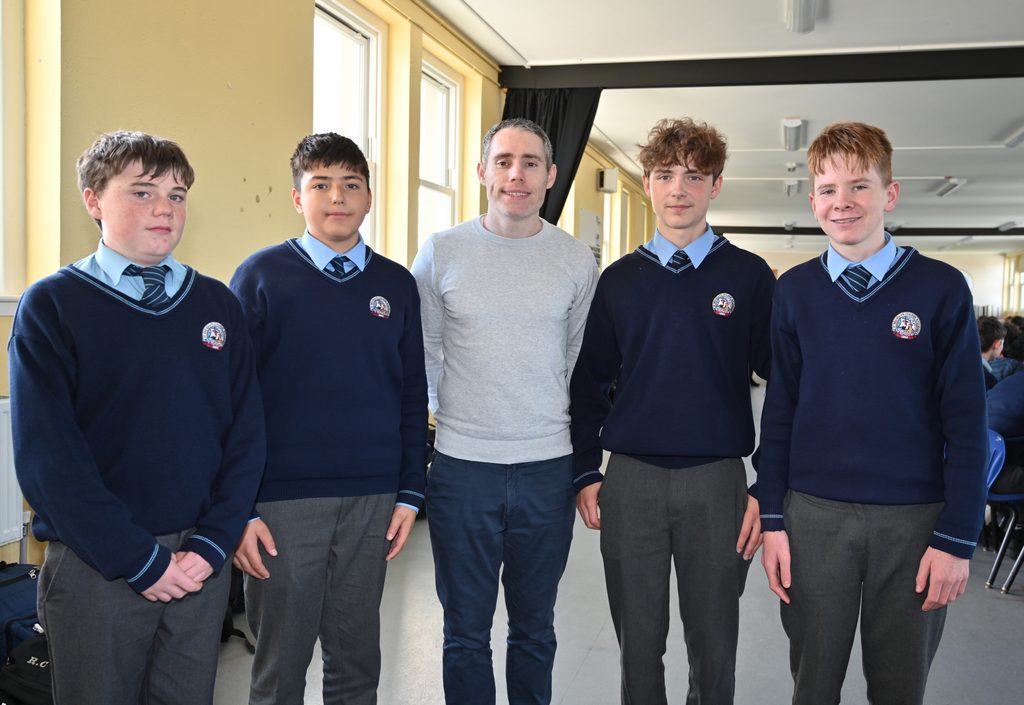
Emerging local actress Kyla Shine- Leane recently took part in an masterclass at West End House School of Arts, where participants were led by local Hollywood star Michael Fassbender.

Fassbender, who founded the Killarney-based acting school, returned home to share his wealth of experience from years on stage and screen, offering students an invaluable opportunity to learn from one of the film industry’s finest.


For Kyla, the experience proved both transformative and inspiring.


“Participating in a masterclass with Michael was truly a transformative and unforgettable experience,” Kyla said. “His approach to emotional truth and character analysis challenged me to look deeper through technique and connect with my deep instincts.


“There was a constant emphasis on presence and vulnerability which allowed us to reach deeper and actively listen to one another as he brought an honesty and intensity to each and every performance.


Kyla left the masterclass feeling more confident in her acting skills. She said: “As an actor, the most valuable lesson learned was watching his process — it was both humbling and inspiring, watching him push everyone in the room to their highest potential. I felt more confident to take risks, embrace my authenticity, and trust my instincts, not only in the craft but in life.”


Everyone at West End House is so grateful to have had this experience and, as always, it was an absolute pleasure to work with Michael.”

Continue Reading

News

From silence to connection: Neil Kelders returns to Killarney to give back and talk mental health

Published

on

By

When I first moved from The Premier to The Kingdom, Neil Kelders was the familiar face behind the bar at the Tatler Jack. I thought I knew him, but I didn’t really know him at all. His story, like so many untold stories in our community, is a powerful reminder of why mental health matters, and why checking in on friends and family is so crucial.

Mental Health Week took place in the second week of October, and although this feature comes a little late, the timing is still perfect. Neil is giving back to his hometown, hosting a free parent workshop on raising resilient teens.  It takes place at Killarney Racecourse on Thursday, November 13 at 7pm. His mission is simple but profound: honest conversation can change everything. No tea, no biscuits, just FaceTime and conversation. 

I sat down with Neil to talk about his upcoming workshop.

Neil, the evening at Killarney Racecourse is a beautiful gesture. What inspired you to host it here in your hometown?

My first mental-health talk was in Killarney ten years ago. This town shaped me, so coming back isn’t nostalgic, it’s needed. Parents are still afraid, teens overwhelmed, families unsure how to bridge the gap. Change starts at home with small, human actions. The Racecourse felt right, full of life and community. When I mentioned it to Ollie, he said yes before I finished. That’s Killarney, people who show up.

You’ve said this event is about “giving back.” What does that mean to you personally?

I feel it’s my duty. I hid my struggles for twenty years. Learning to manage them gave me a responsibility to share what helps. When I told my story, messages came from parents, teens, strangers. Honesty opens doors. My mental health is strong, but I still have hard days. Recovery isn’t perfection, it’s showing what’s possible.

You’ve invited clubs, schools, and groups across all divides. What do you hope people take away?

Mental health touches every home, club, school and group. We’ve all got our boxes. Parent, coach, teacher, teen, but none of us has been here before. We’re learning as we go. I want people to leave lighter and more connected, reminded that honest conversations change everything.

You’ve built a reputation for helping people find a way forward using what actually works. What does that look like in practice?

“What works” means tools you can use today, not theory for tomorrow.

In coaching and workshops, that can mean pausing before reacting or small resets that steady a home. It’s not about fixing anyone, it’s helping them move forward with calm, clarity, and courage.

Can you share a bit about your journey, how you came to this line of work?

I was the class clown, always “grand.” I wasn’t. I lived with depression, anxiety, and suicidal thoughts for two decades. The first person I confided in was my sister-in-law. I felt a weight lifted but it was only the start. You don’t talk once, and it’s gone, you keep talking. At Pieta House, two counsellors didn’t fit; the third did. She challenged me, then said: “Someone else might be a better fit now.” That honesty changed me. Everyone had helped, but I still had to take responsibility. That was the turning point, stop waiting to be rescued, start rebuilding.

Your book The Other Side has resonated widely. What message do you hope people carry?

Getting through tough times isn’t a straight line. It’s messy, human, and possible. You don’t need it all figured out, just do something. The book shows what rebuilding really looks like: slip-ups, small wins, learning to live again. Change will start when you act.

You’ve worked with parents, teenagers, and organisations. What’s one common challenge you see?

Disconnection. Parents fear saying the wrong thing, teenagers think no one understands, adults pretend they’re fine. When people don’t feel heard, they stop talking. My work breaks that silence, listening without fixing, supporting without fear. When people feel safe to be real, things change.

How do you keep mental health relatable, especially for teens?

By being real. Teens spot fake instantly. I don’t arrive with answers, we find them together. They help decide what’s shared with parents; that trust matters. We talk about goals, values, and what they want from life. Sometimes it’s “burn your thoughts” or a quick reset; sometimes it’s just listening. Once they see they don’t have to be perfect, things shift.

What would you say to parents who feel guilty or unsure?

You’re not meant to have all the answers. Keep showing up, even when you don’t know how. Your job isn’t to fix your teenage child, it’s to help them feel safe enough to talk. You can’t do that if you’re running on empty. A walk, a pause, five minutes of breathing, it helps. Presence beats perfection.

For teenagers, what’s one message you hope they’ll hear?

You’re not broken. You’re feeling more than you can handle right now, that’s being human. When I was your age, I hid for years. If you’ve spoken up, even once, you’re already twenty years ahead of me. What you’re feeling can seem endless, but it isn’t. There’s more ahead. Calm, laughter, and moments you can’t imagine yet. Keep moving, and don’t do it alone.

Are we getting better at talking about mental health?

We’re talking more but not always listening better. Awareness is great but it isn’t action. We quote “one in four,” but I could never have been a stat, I wore the mask too well. Others are hiding too. We have more language now, but not always the safety to use it. Stigma hasn’t gone; it’s changed shape. Awareness matters; connection changes lives. If someone leaves feeling hopeful but unsure where to start, what’s one step they can take? Start small. Check in with one person tomorrow. Ask, “How are you, really?” and mean it. Don’t fix, show up.

What does this community mean to you?

Killarney shaped me, the good and the hard. It’s where I stayed silent and where I found my voice again. We’re not meant to do life alone. Connection holds us together.

If people remember one thing from the evening, what would you love it to be?

Things can get better. Not perfect, just better. If you change nothing, nothing changes. Do something.

What’s next for you?

More of this. Real conversations that make a difference. I’m continuing parent-teen coaching and community workshops across Ireland, the UK, and Canada, and working with companies to build workplaces where people can speak up safely. The focus now is partnerships and reach, so families get help before crisis. I’m really looking forward to next Thursday night at the Racecourse.  Its free and all are welcome.  Be sure to register at events.neilkelders.com.  It’s not about perfection or having all the answers. It’s about connection, courage, and showing up. Join me, and let’s start together.

Attachments

Continue Reading