
News
The effects of ageing on our bodies


By Brian Foley from Activate Fitness
Over the next couple of weeks we’re going to look at the effects of ageing on our bodies and what we can do to negate some of the impacts of father time.

.

.
The reasons for this are many;
No matter what age you are reading this article, you are, right now, at this very moment, getting older. Therefore ensuring our current lifestyle enables a long and fulfilled life right throughout our lives into our senior years is important. Ireland has one of the oldest populations in Europe. Activate runs an extremely successful older adult strength programme. Due to its efficacy and widespread acclaim amongst the medical community, this has become the subject of a piece of research taking place this summer at Activate.
This week we will look at arthritis and the current interventions that you can take to lessen the impact this can have on you as you age.
Arthritis isn’t a scary thing; it’s a normal part of ageing that happens to all of us like wrinkles.
The simple definition of arthritis is inflammation and stiffness of joints. However, there are many different forms with osteoarthritis and rheumatoid the most common types in Ireland.
Osteoarthritis initially affects the smooth cartilage lining of the joint which makes movement more difficult than usual, leading to pain and stiffness. Once the cartilage lining starts to roughen and thin out, the tendons and ligaments have to work harder. This can cause swelling and the formation of bony spurs called osteophytes. Severe loss of cartilage can lead to bone rubbing on bone, altering the shape of the joint and forcing the bones out of their normal position.
In rheumatoid arthritis, the body's immune system targets affected joints, which leads to pain and swelling.
The outer covering (synovium) of the joint is the first place affected. This can then spread across the joint, leading to further swelling and a change in the joint's shape. This may cause the bone and cartilage to break down. The good news is; inflammation can be reduced, so too can joint stiffness. Not always, but oftentimes there are some lifestyle modifications that can help.
Yes, this can and typically does get worse with age but it also gets worse with inactivity.
And no, this is not a death sentence.
REDUCE SYMPTOMS
Here are some healthy lifestyle modifications that can help reduce the symptoms of arthritis, inflammation, and joint pain:
1. Applying the basics of a healthy diet that is high in protein, fruits, and vegetables, and lower in processed foods and sugar.
2. Get seven to eight hours of quality sleep each night. I’m more of a six to seven hour guy myself, but the main thing isn’t the time spent in bed it’s the quality of your sleep. Your body recovers from the rigors of life when you sleep, so more high-quality sleep will typically help with recovery and inflammation.
3. Limit alcohol intake. This one is tricky because there may be some research on a glass of red wine having some heart health and anti-inflammatory properties but alcohol undoubtedly affects your sleep and most importantly your body’s ability to get deep sleep. I admittedly need to look into the latest research on the benefits of red wine so if you enjoy a glass, don’t stop drinking it just yet, but you definitely don’t need a bottle a night!
4. Work on strength and range of motion around the joints and lifestyle factors. At Activate we run a specific programme for adults who want to focus on these factors specifically. We use progressive and intelligent means of training to load the muscles and bones to build new muscle so that we are stronger and more resilient to the stresses of life, and to build bone so that we can withstand things like trips and falls all the while, improving all our major health markers such as reduced body fat levels and improved cardiovascular strength.
If you’d like to talk to see if I can help with your specific situation please set up a consultation via www.activate.ie/free-intro/ or call 087 4030894.

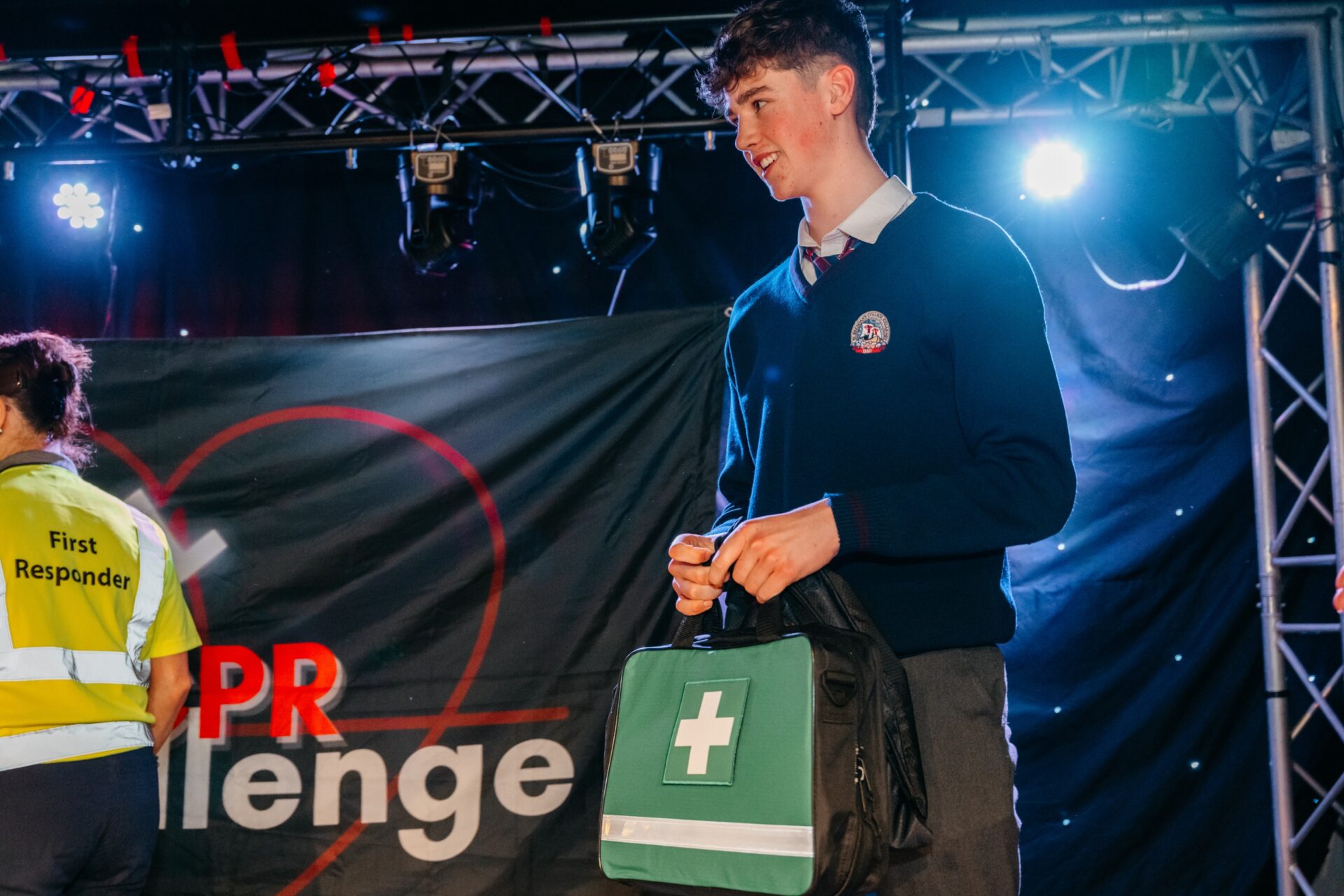

St Brendan’s student Aodhagan O’Sullivan crowned CPR champion
Aodhagan O’Sullivan, a student at St Brendan’s College, Killarney, has been named the 2026 School CPR Challenge Champion. The prestigious...

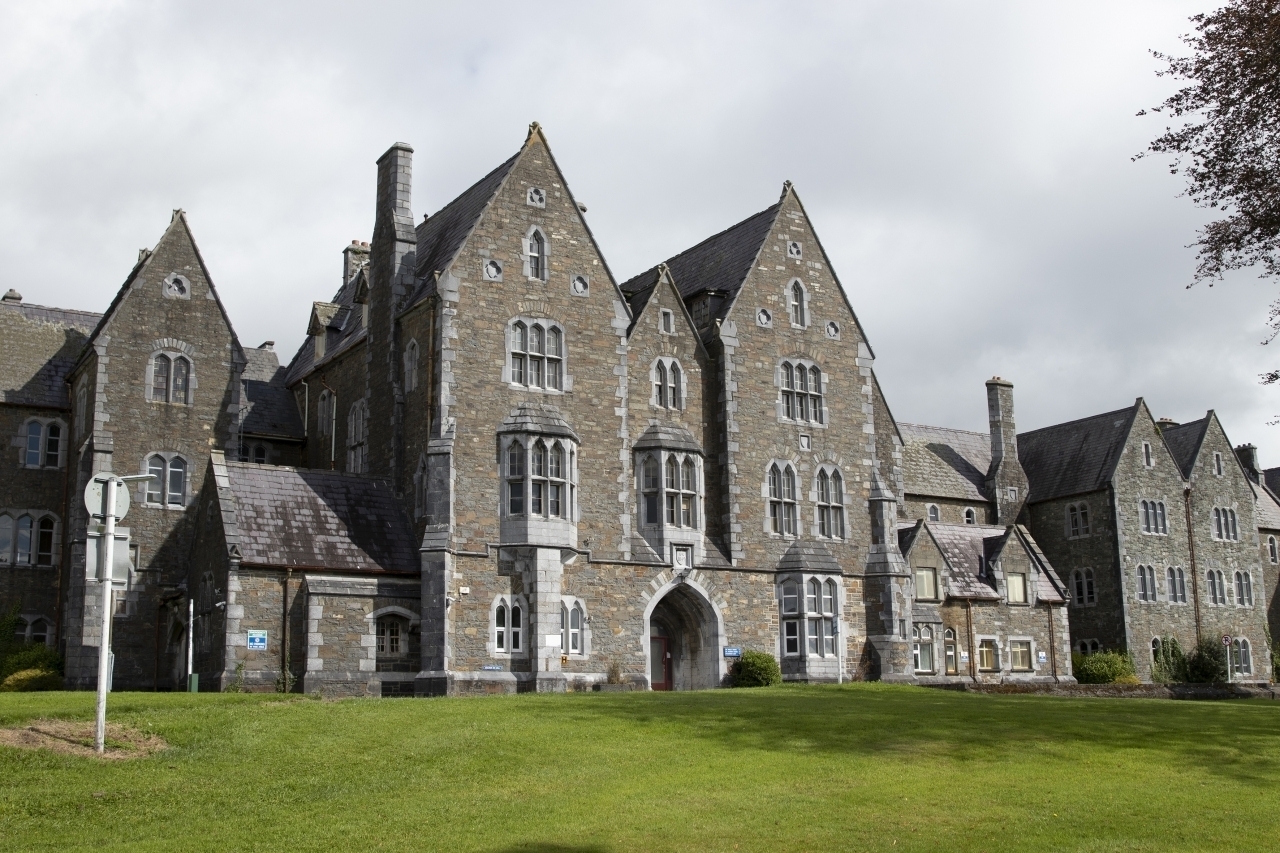
Cllrs demand meeting with HSE property officials
Killarney councillors are seeking an urgent face-to-face meeting with the HSE to prevent the town’s health infrastructure from falling into...


Maggie’s Montessori supports National Pyjama Day
The usual morning routine was swapped for slippers and dressing gowns at Maggie’s Montessori last Friday as the children took...

Incredible value at Paco warehouse clearance
Paco Clothing is to open a second shop at the Killarney Outlet Centre for March and April – and the...


Tourism Ireland CEO Outlines Global Strategy at KTIF Tourism Day
The CEO of Tourism Ireland, Alice Mansergh, was in Killarney on Tuesday of this week to address tourism leaders from...


Fossa Swimmers make a splash at County Finals
The Fossa Swim team pictured at the Tralee Sports Complex following their successful outing at the County Finals of the...

On the Ball Part 2 of the Mikey Daly Interview
Éamonn Fitzgerald EF: Killarney Celtic are invited to participate in an Irish competition. That has big financial implications for travel,...

LUKE MANGAN recently caught up with Kerry FC’s manager, Colin Healy.
He spoke to him about his careers as a player and manager. Here’s how it went: When you began your...


Home cup tie for St Paul’s could be epic
Paudie O’Connor National Cup (Round 1) Utility Trust St Paul’s v GCU Brunell Saturday 7.30pm Killarney Sports and Leisure Centre...


Chances of Kerry v Cork Munster final in 2026 decrease as Munster GAA delay seeding plan
After facing a backlash from Limerick, Clare, Waterford and Tipperary players, Munster GAA have postponed their plan to keep Cork...
