
News
Concerns over future of Coffee Cup project

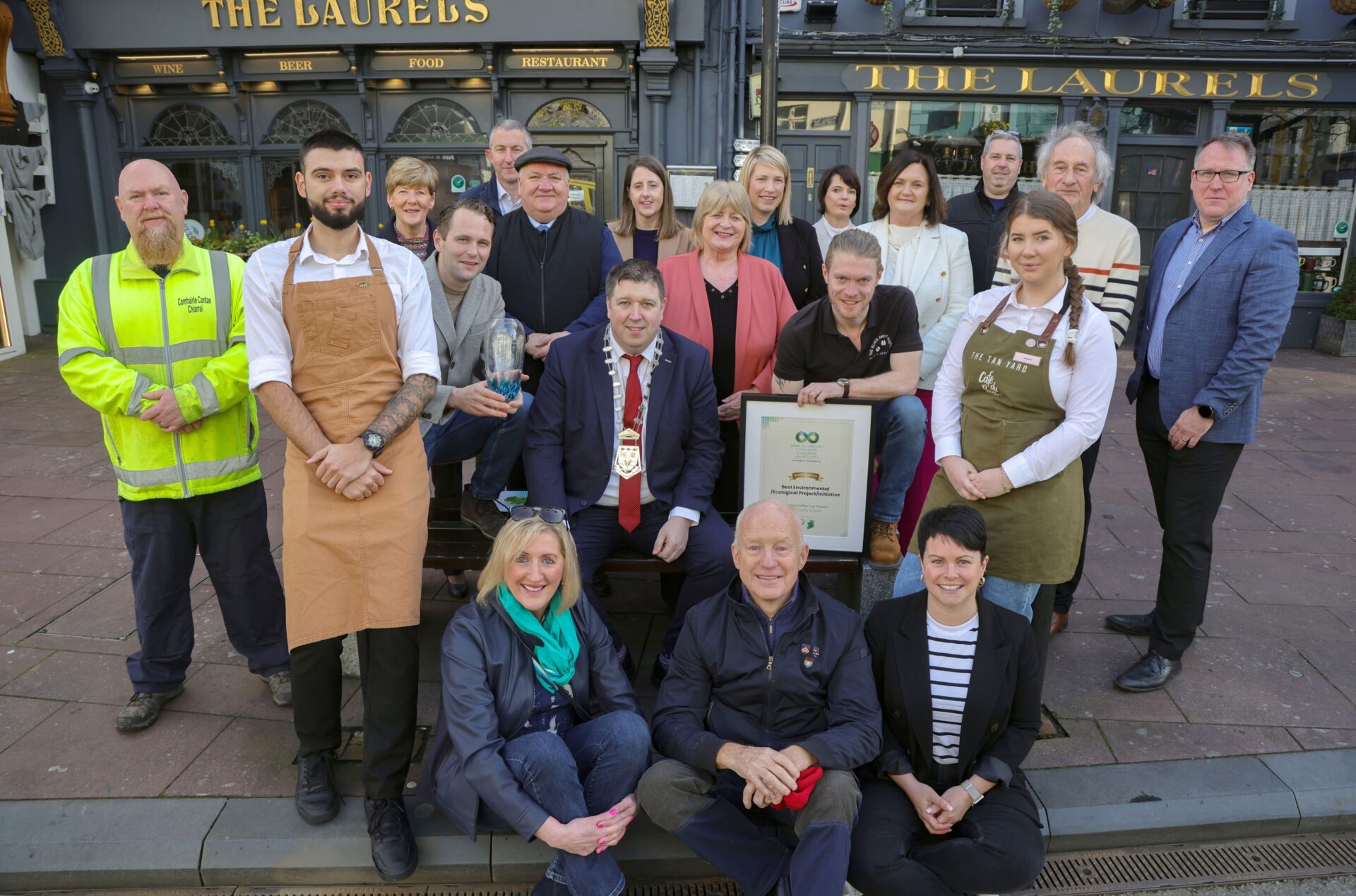
Support for the Killarney Coffee Cup project has fallen, raising questions about how the scheme can continue without help from the Government.
Recent figures from IBAL, published this week, show that a number of businesses are no longer taking part.
Both Irish Business Against Litter and Killarney Chamber of Commerce say a national levy on disposable coffee cups is now needed.
They want a charge similar to the plastic bag levy to encourage customers to use reusable cups.
The Coffee Cup project was started in July 2023 with the aim of making Killarney the first town in Ireland to be free of single-use coffee cups.
At the launch, 25 independent coffee shops and 21 hotels agreed to stop giving drinks in throwaway containers.
Under the scheme, anyone buying a takeaway coffee must bring their own cup or pay a €2 deposit for a reusable cup.
The deposit is returned when the cup is brought back to any business in the network.
Organisers hoped to remove more than one million cups a year from local waste systems.
The project followed complaints from residents and visitors that coffee cups were being found at lakes, car parks and walking trails.
Clean-ups in the national park reported that the cups were one of the most common items collected.
A Government ‘latte levy’ of 20 cent per cup had been promised but has still not been introduced.
Chamber President Johnny McGuire said this delay has made it hard for small operators to stay involved.
Mr McGuire recently met An Taoiseach Micheál Martin to discuss the problem and to press for the levy.
He said the Taoiseach listened carefully, but no date was given for action.
The chamber has also spoken to local TDs, Finance Minister Jack Chambers and Kerry County Council CEO Fearghal Reidy, who has expressed support.
The chamber insists the project is not finished. It hopes other towns will copy the Killarney model if a levy is brought in.
IBAL spokesperson Conor Hogan said the data shows that Coffee cups remained one of the most commonly found forms of litter and was evident in one fifth of all sites surveyed.
“A real disappointment in a generally positive year has been the likely collapse of reusable coffee cup schemes in towns such as Killarney,” said Mr Horgan.
“It is apparent that such schemes will only work with statutory backing.
As our data today bears out, without Government intervention coffee cups will remain an unsightly and entirely unnecessary blot on the landscape across our towns.
The prevarication from Government on the issue is striking, a levy was promised all of four years ago ,and sends out a worrying signal.
Weaning ourselves off single-use coffee cups should not be such a big deal.”
Funding sought for Glebe Craft Quarter
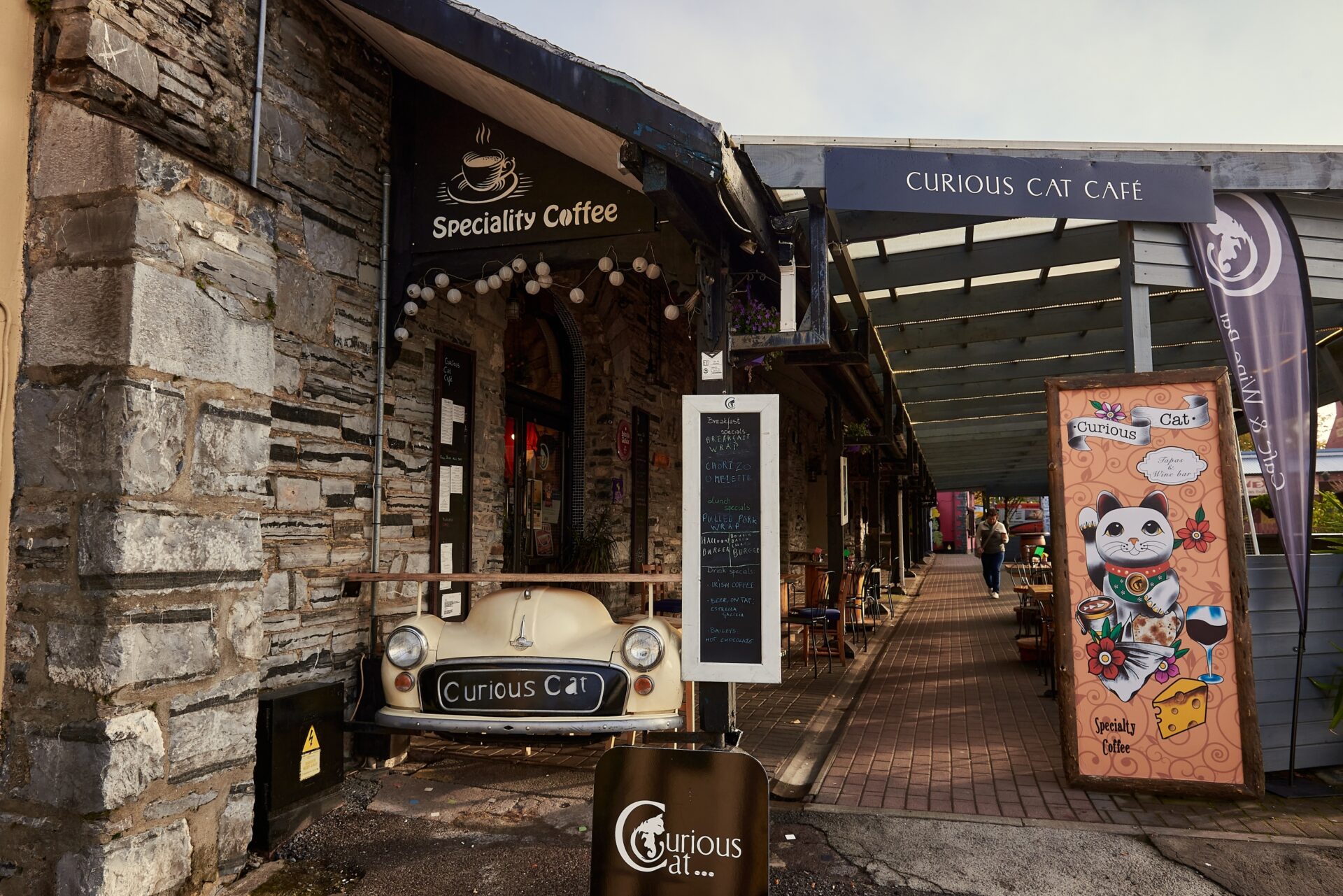
Plans to redevelop Killarney’s town centre laneways remain on hold as local authority officials seek capital funding to progress the scheme.
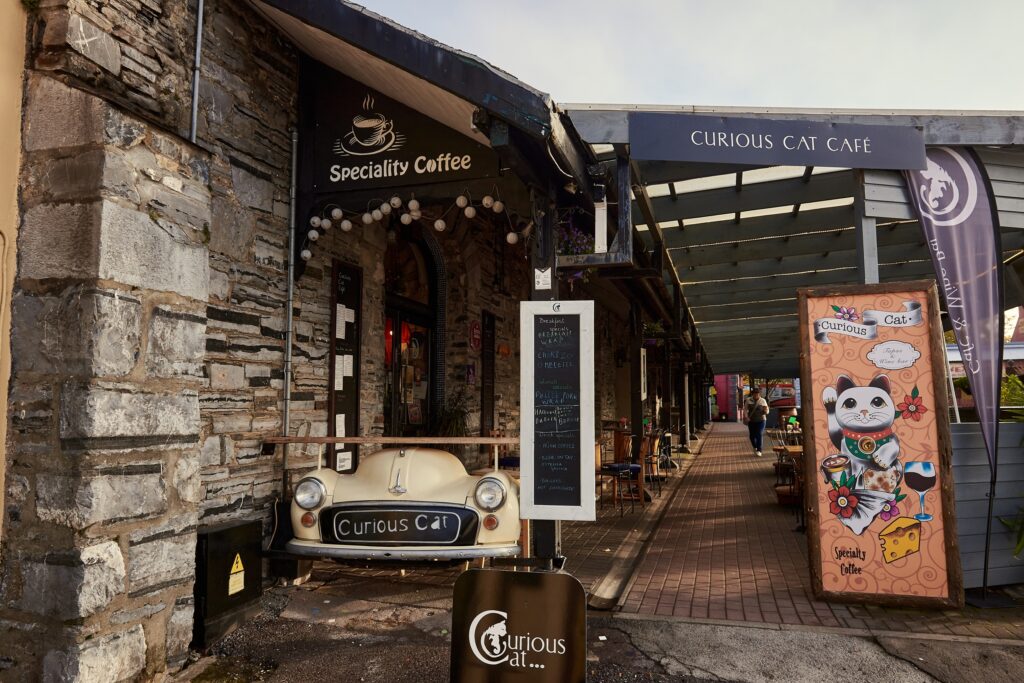
At Wednesday’s meeting of the Killarney Municipal District, Councillor Niall Kelleher raised the future of the urban regeneration project, asking the council: “That Kerry County Council provide a detailed update on the proposed development of the Glebe Craft Quarter in Killarney, including the Glebe, Bohereencael, Milk Market Lane and Old Market Lane areas, outlining the work completed to date, estimated project cost, funding secured or being sought and the anticipated timeframe for implementation.”
In a written reply, Kerry County Council revealed that no dedicated capital has yet been assigned to deliver this phase of the public realm plan.
An official response stated: “At present, there is no identified funding stream for this phase of the proposed public realm works. The project will be considered as part of future funding applications, and Kerry County Council will continue to explore all available funding opportunities to support its delivery.”
Call for urgent child protection funding at Killarney conference
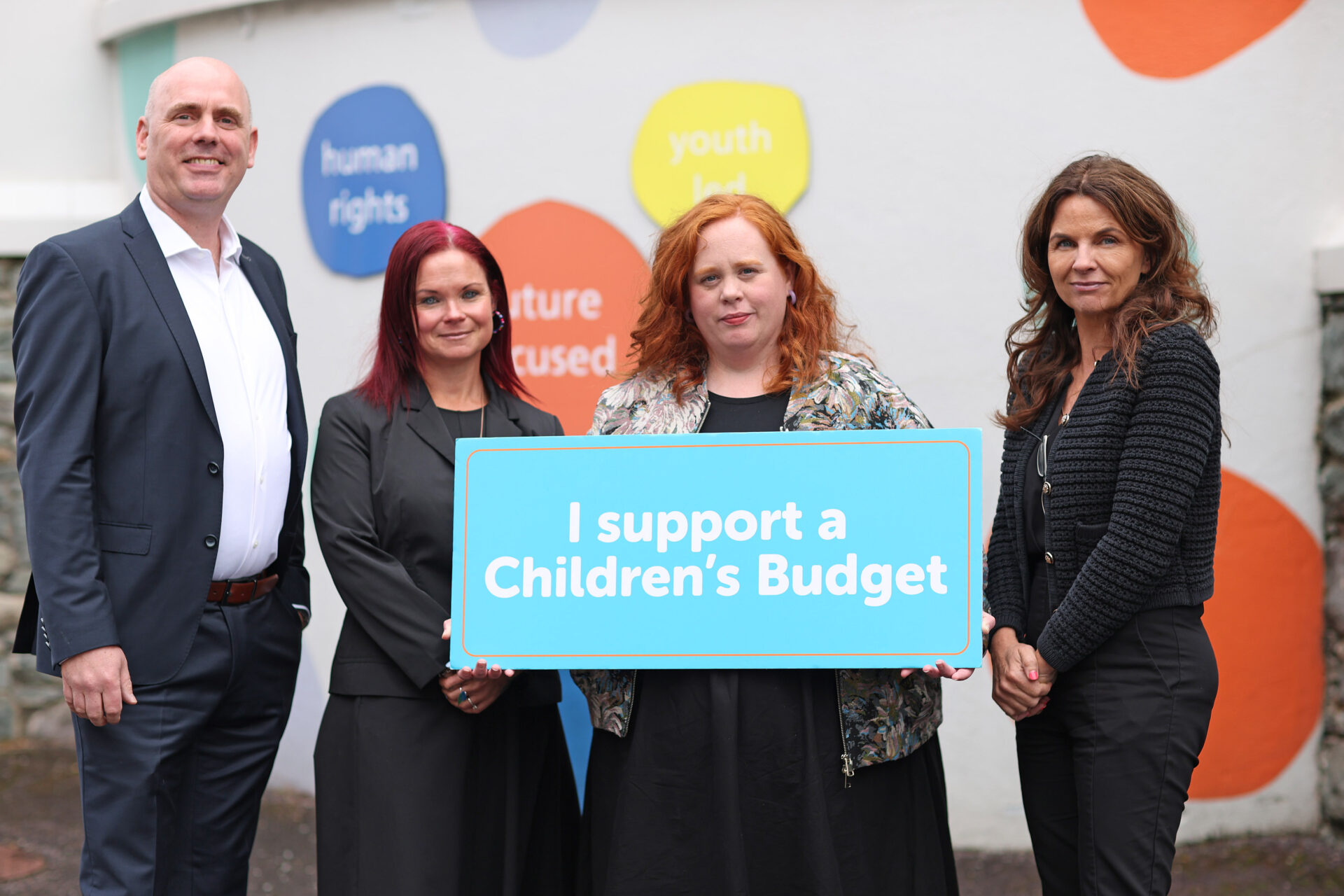
Frontline child protection and welfare services are facing an unprecedented crisis due to a surge in cases and limited resources, key speakers warned at a national conference in Killarney on Wednesday.
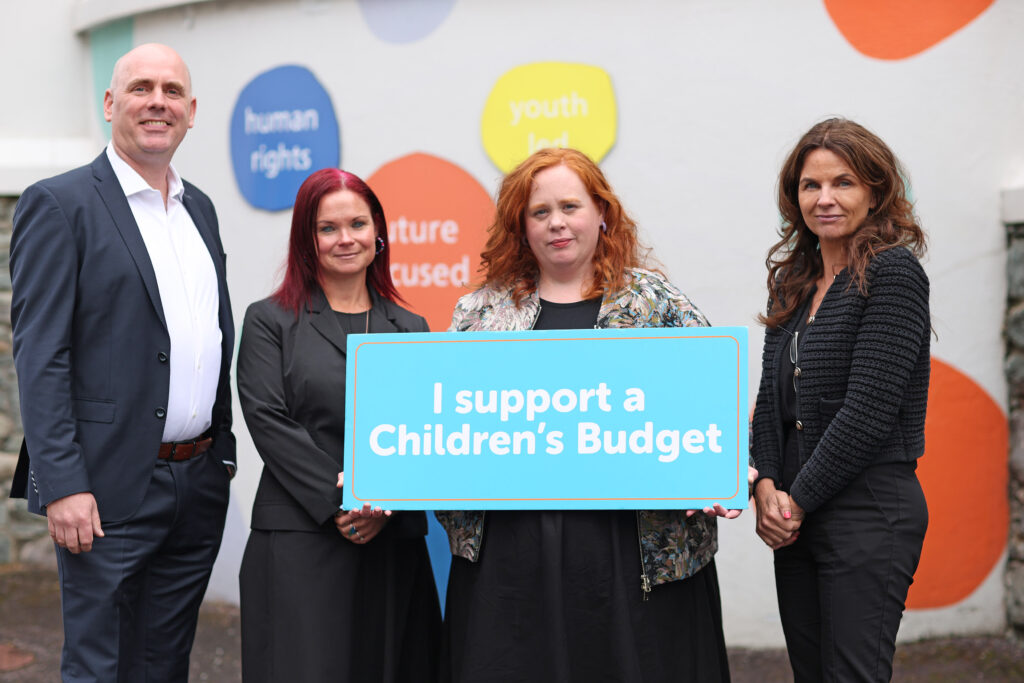
The final event of National End Child Poverty Week took place at the KCYS Youth Centre in Killarney, bringing together child welfare experts, legal professionals, and social workers to examine child protection, welfare, and alternative care.
Addressing delegates ahead of Budget 2027, Tanya Ward, Chief Executive of the Children’s Rights Alliance, warned against proposed spending cuts across government departments that deliver core family supports.
“For politicians to speak about their prioritisation of the protection and safety of children in recent weeks, while at the same time committing to levying the Departments that deliver those protection, welfare and family support services is just not right,” Tanya Ward said. “The levies, which are intended to shoulder an ‘overspend’ by the department of education through cuts across other departments, could not come at a worse time. They essentially ask critical services to children to pare back, to do more with less – at a time when these services are completely stretched thin trying to meet the demand for support.”
Figures released at the conference revealed that referrals to Tusla, the Child and Family Agency, have doubled over the past decade. The agency received a record 106,444 referrals in 2025. That upward trend has continued into 2026, with 28,800 referrals logged in the first three months of the year—an 11 per cent increase compared to the same period in 2025.
“Tusla and its support services are the last safety net for vulnerable children and families,” Tanya Ward added. “We need to be seeing significant increased investment to ensure we have a child protection system that is fit for purpose and can meet the needs of the children behind these figures who are facing battles such as neglect, emotional, physical or sexual abuse, trauma and deprivation.”
Chaired by Julie Ahern, Director of Legal, Policy and Services at the Children’s Rights Alliance, the conference featured keynote contributions from Kate Duggan, Chief Executive Officer of Tusla, and Dr Aisling Parkes, Special Rapporteur on Child Protection and Senior Lecturer in Law at UCC.
Additional speakers included Denise Kirwan, Partner at Comyn Kelleher Tobin Solicitors; social worker Thomas O’Driscoll; Seamus Whitty, CEO of KCYS; and Sinéad Roe, Intensive Family Support Co-ordinator at KCYS.
The Children’s Rights Alliance is calling on the Government to deliver a dedicated “Children’s Budget” for 2027. Key demands include increasing Tusla’s overall funding to expand social work staff across 30 new network areas, funding the rollout of the forthcoming National Policy Framework on Alternative Care, and increasing the proportion of Tusla’s budget directed to early intervention and community family support by three percentage points annually over five years.

Funding sought for Glebe Craft Quarter
Funding sought for Glebe Craft Quarter Plans to redevelop Killarney’s town centre laneways remain on hold as local authority officials...

Call for urgent child protection funding at Killarney conference
Call for urgent child protection funding at Killarney conference Frontline child protection and welfare services are facing an unprecedented crisis...

Killarney Camera Club has published a special commemorative booklet featuring 25 images to celebrate its 25th anniversary.
Camera Club marks silver anniversary with publication Killarney Camera Club has published a special commemorative booklet featuring 25 images to...


Teresa McGrane to receive 2026 Maureen O’Hara Award
Teresa McGrane to receive 2026 Maureen O’Hara Award Former Deputy CEO of Screen Ireland Teresa McGrane has been named as...


Felicity’s Summer in Killarney Week 13
Felicity’s Summer in KillarneyWeek 13 A few weeks later and the end of summer was quickly approaching. Auntie Sheila and...


Fossa Swimmers make a splash at County Finals
The Fossa Swim team pictured at the Tralee Sports Complex following their successful outing at the County Finals of the...


On the Ball Part 2 of the Mikey Daly Interview
Éamonn Fitzgerald EF: Killarney Celtic are invited to participate in an Irish competition. That has big financial implications for travel,...


LUKE MANGAN recently caught up with Kerry FC’s manager, Colin Healy.
He spoke to him about his careers as a player and manager. Here’s how it went: When you began your...


Home cup tie for St Paul’s could be epic
Paudie O’Connor National Cup (Round 1) Utility Trust St Paul’s v GCU Brunell Saturday 7.30pm Killarney Sports and Leisure Centre...


Chances of Kerry v Cork Munster final in 2026 decrease as Munster GAA delay seeding plan
After facing a backlash from Limerick, Clare, Waterford and Tipperary players, Munster GAA have postponed their plan to keep Cork...
