
News
Belfast rap trio Kneecap to play two gigs in INEC this weekend

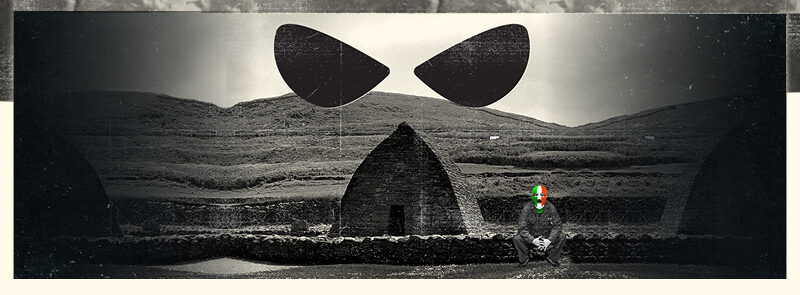
The rise and success of Ireland’s favourite Irish language group
By Eoghan McSweeney
Since hip-hop group Kneecap last played in Killarney, so much has changed for the band.
The trio experienced an explosion in popularity at the back end of last year due to the release of their album Fine Art in June, and then of their semi-fictionalised and self-titled biopic in August.
The award-winning movie detailed the beginning of their music careers and their rise to prominence, with both album and movie receiving overwhelmingly high acclaim.
Just one month after Kneecap last played in the INEC, the group won a legal case against then business secretary and now Conservative Party leader Kemi Badenoch after she blocked an arts grant of £14,250 or €16,000 for the band.
She cited anti-British politics as the reason. Kneecap claimed the denial of the grant was an “attack on artistic culture, and an attack on the Good Friday Agreement itself”.
At a hearing in Belfast’s High Court the withholding of funds was deemed “unlawful and procedurally unfair.”
Kneecap donated the grant to two Belfast youth clubs.
These events are significant milestones in helping Kneecap to achieve notoriety.
The band was cast further into the spotlight during the US music festival Coachella in April of this year.
As Kneecap performed in front of the raucous American crowd, the jumbotron behind the band read “Israel is committing genocide against the Palestinian people” before switching to a new message, “It is being enabled by the US government who arm and fund Israel despite their war crimes.”
There were cries of outrage because of the stand made by Kneecap that night.
Their American booking agent dropped them, and their visas were rendered invalid.
It was just one month after this when one of Kneecap’s members Mo Chara found himself being charged with a terror offence.
He was alleged to have showed support for Hamas and Hezbollah during a show in London in November of 2024.
Hamas and Hezbollah are deemed proscribed terror organisations by the British state, which means vocalising support for them is illegal.
Although Mo Chara’s case would eventually be dropped in September, it still meant Kneecap would be subject to a three-year ban from Hungary directly before their scheduled performance in the Sziget Festival in Budapest.
Hungary was not the only nation Kneecap would be barred from performing in.
In September the trio was banned from entering Canada ahead of four shows set to be played in Vancouver and Toronto, with Canadian officials citing Mo Chara’s terror charge. Canadian MP Vince Gasparro stated the group has “amplified political violence and publicly displayed support for terrorist organisations.”
Kneecap has since taken legal action against Gasparro regarding his defamatory comments.
As Kneecap return to Killarney to play two gigs this weekend and the scramble for tickets comes to a close, it makes you wonder how any of this ever came to fruition.
Just a few short years ago, the idea of an Irish language rap group making headlines and playing sold out shows globally would’ve been deemed utterly absurd and completely unrealistic.
This seemingly impossible achievement shows how there is a desire amongst young Irish people to have a language and culture of their own, and how our language can be more than a just a mistaught school subject.
It is vital that more creatives like Kneecap continue to be supported if we want our language to survive.
A language learner can only feel passionate about learning if the content of what they are learning is relatable; this is the reason that a hip-hop trio from Belfast has done more to motivate young Irish people in just the last few years to speak their own language than this government ever has.
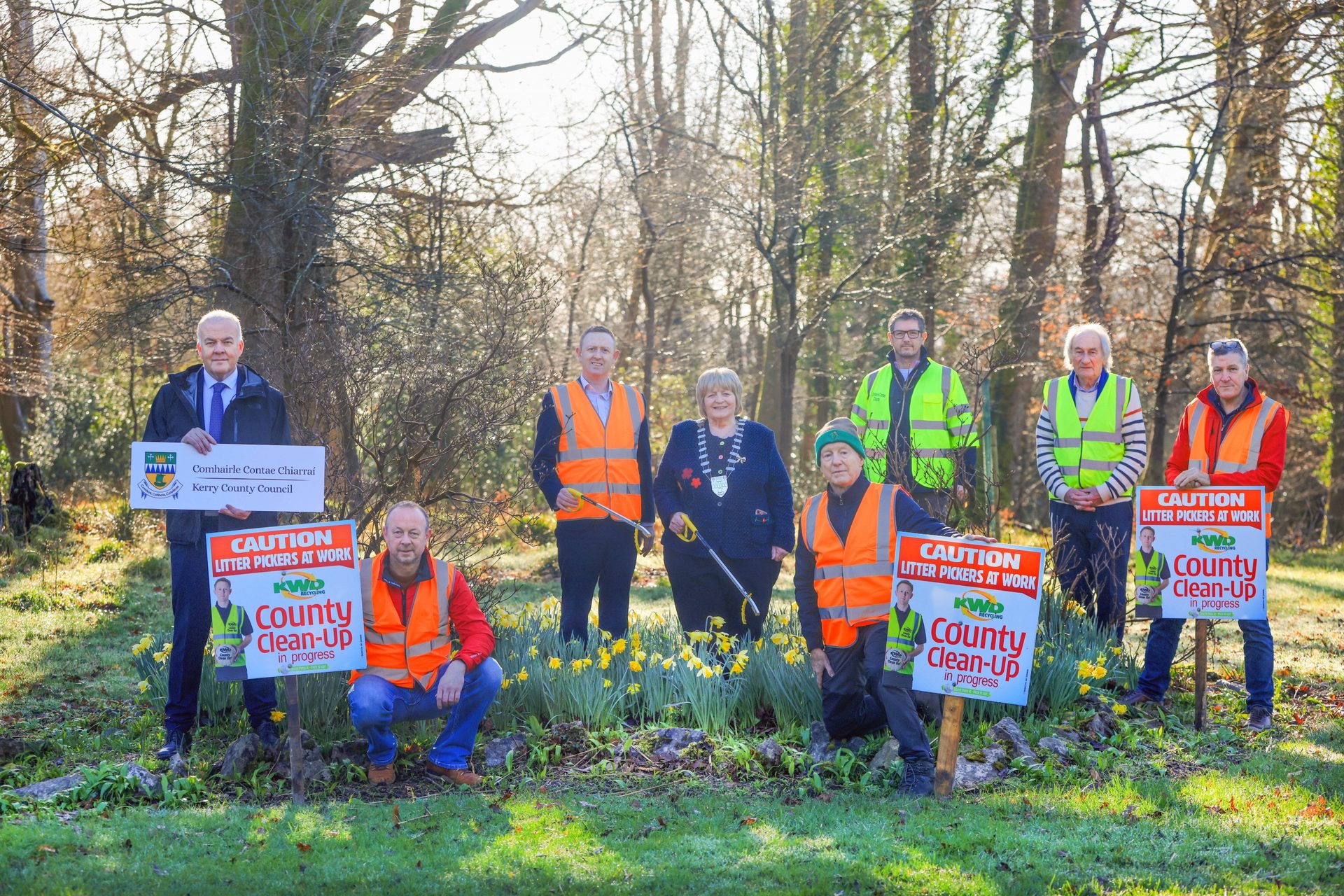
KWD Recycling shortlisted for national environmental awards
Killarney-based KWD Recycling has been announced as a finalist in the 2026 Repak Resource Awards, securing a spot on the national shortlist for environmental achievement.
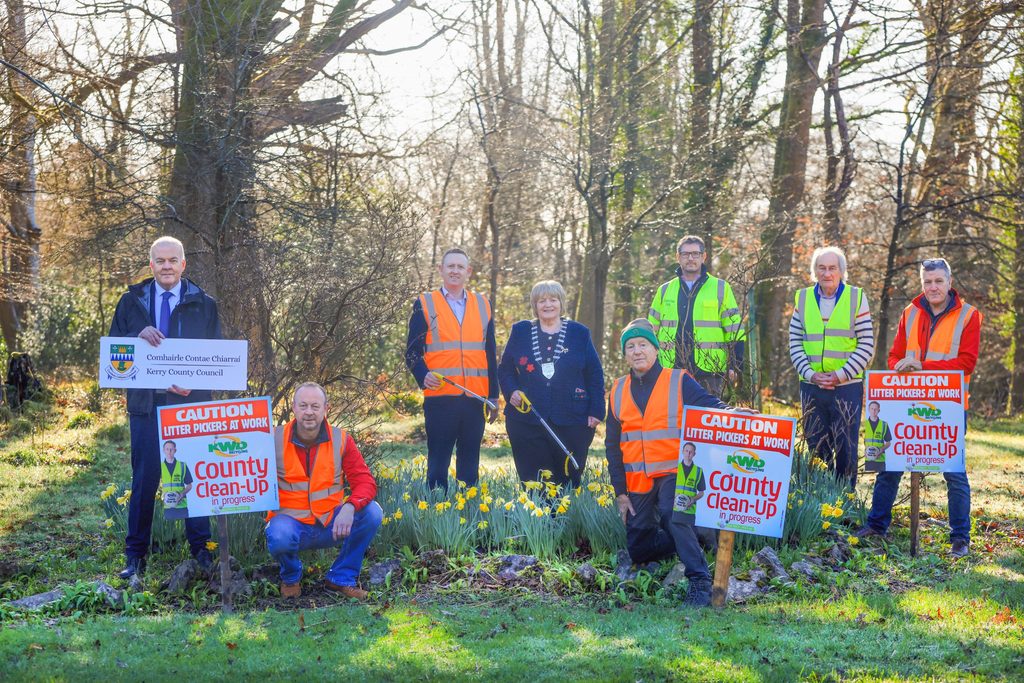
The local waste management company has been nominated in the Best Recovery Operator Innovation category, sponsored by DNV, for its state-of-the-art residual waste recovery system.
The Killarney facility utilizes optical sorting, screening, and mechanical processing to extract recyclable plastics and organic material from municipal waste. In its first year of operation, the technology recovered more than 10 per cent of plastic packaging from residual waste for recycling and diverted almost 50 per cent of organic material toward composting.
KWD Recycling will compete alongside Dublin operators Panda and Thorntons Recycling for the category title.
Repak CEO Zoe Kavanagh commended the Kerry firm for demonstrating environmental leadership and bringing local ambition to the national awards.
Category winners will be announced at a black-tie ceremony at the Mansion House in Dublin on Friday, October 23, where each winner will also compete for the Overall Repak Resource Award.
Local businesses have a strong track record at the national event, with Killarney town venue The Killarney Park and The Ross previously taking home the overall title in 2023.
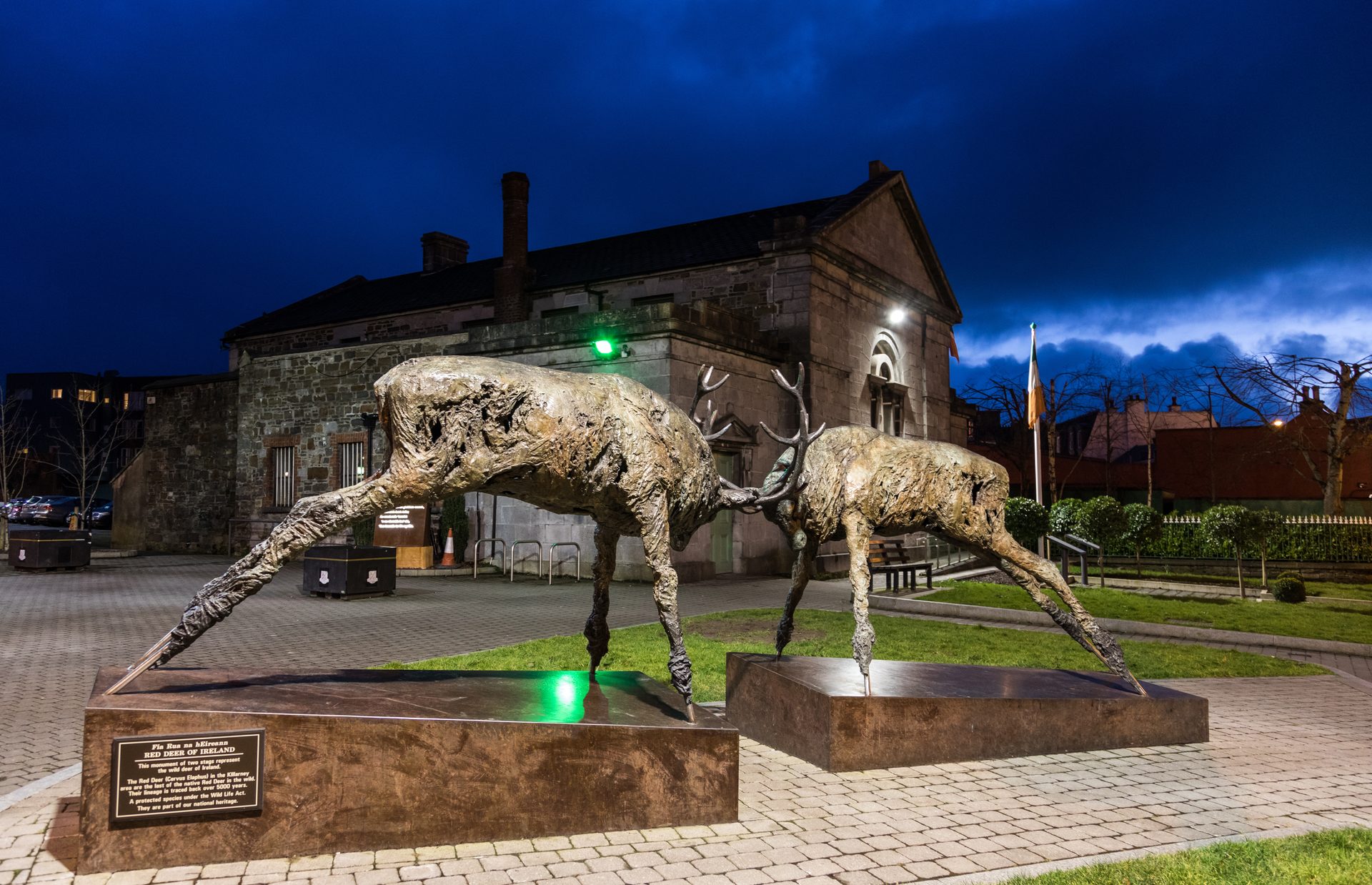
Drivers warned as deer rutting season begins
Motorists in Killarney are being urged to exercise extreme caution as the annual deer rutting season gets underway, causing animals to stray far beyond their usual habitats inside Killarney National Park.
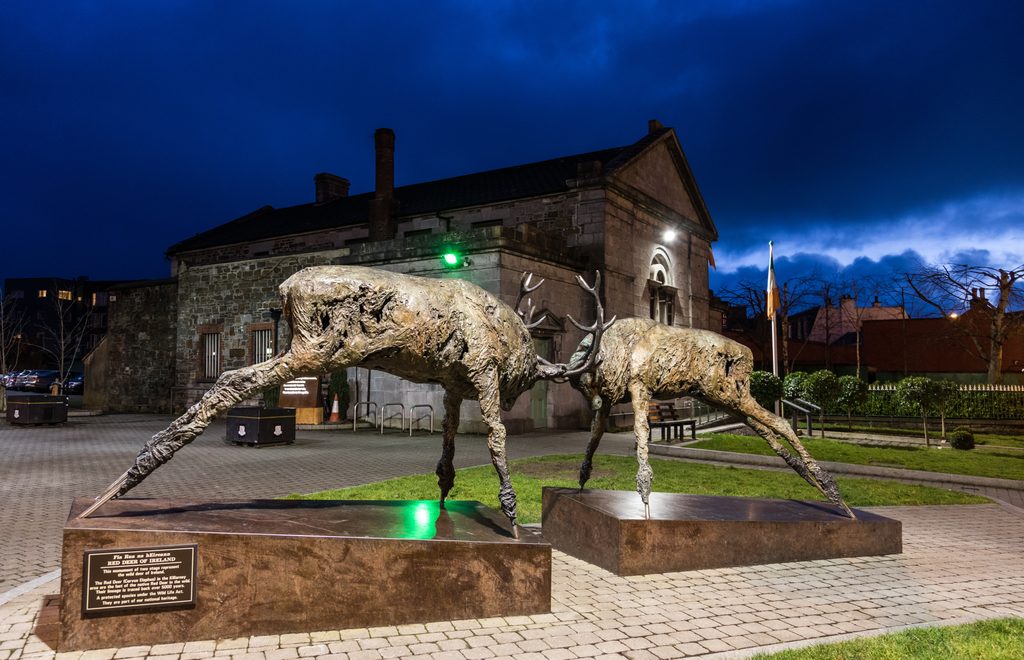
The autumn mating season sees deer becoming highly active and unpredictable, leading to increased sightings and collisions on local roads outside traditional park boundaries.
Two separate incidents highlighted the growing hazard on local routes this week. A reader contacted the Killarney Advertiser to warn drivers after spotting a deer roaming near Tiernaboul towards the school on Sunday afternoon around 7.30pm.
Later that same night, in the early hours of Monday morning, a local driver collided with a deer near Kerry Airport around 1am while returning home from an event.
Despite attempting evasive action, the motorist struck the animal, which died at the scene and temporarily blocked the road before local Gardaí were alerted to clear the obstruction.
The driver sustained substantial vehicle damage, requiring repairs to the bumper, headlamp, and internal components, leaving her facing significant garage costs and time off the road.
Gardaí and road safety advocates advise motorists travelLing during early morning and late evening and remain vigilant along tree-lined routes.

KWD Recycling shortlisted for national environmental awards
KWD Recycling shortlisted for national environmental awards Killarney-based KWD Recycling has been announced as a finalist in the 2026 Repak...

Drivers warned as deer rutting season begins
Drivers warned as deer rutting season begins Motorists in Killarney are being urged to exercise extreme caution as the annual...


Kerry Airport CEO addresses chamber luncheon
Kerry Airport chief executive Adrian Neilan addressed local business leaders at the Killarney Chamber of Tourism and Commerce luncheon at...


The Brehon raises €2,850 for Jack and Jill Foundation
The Brehon Hotel and Spa raised €2,850 for the Jack and Jill Children’s Foundation after hosting a closest-to-the-pin golf simulator...

Five local postmen retire with 185 years service
Five local postmen retire with 185 years service RETIREMENT NIGHT: Pictured at the retirement party held at Killarney Racecourse on...
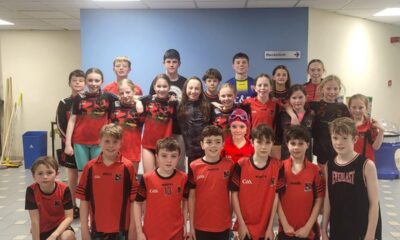

Fossa Swimmers make a splash at County Finals
The Fossa Swim team pictured at the Tralee Sports Complex following their successful outing at the County Finals of the...


On the Ball Part 2 of the Mikey Daly Interview
Éamonn Fitzgerald EF: Killarney Celtic are invited to participate in an Irish competition. That has big financial implications for travel,...


LUKE MANGAN recently caught up with Kerry FC’s manager, Colin Healy.
He spoke to him about his careers as a player and manager. Here’s how it went: When you began your...


Home cup tie for St Paul’s could be epic
Paudie O’Connor National Cup (Round 1) Utility Trust St Paul’s v GCU Brunell Saturday 7.30pm Killarney Sports and Leisure Centre...


Chances of Kerry v Cork Munster final in 2026 decrease as Munster GAA delay seeding plan
After facing a backlash from Limerick, Clare, Waterford and Tipperary players, Munster GAA have postponed their plan to keep Cork...
