
News
Award-winning photographer launches stunning new book celebrating Kerry


Cover of On The Edge of Europe KERRY: by Valerie O'Sullivan : Published by Currach Books
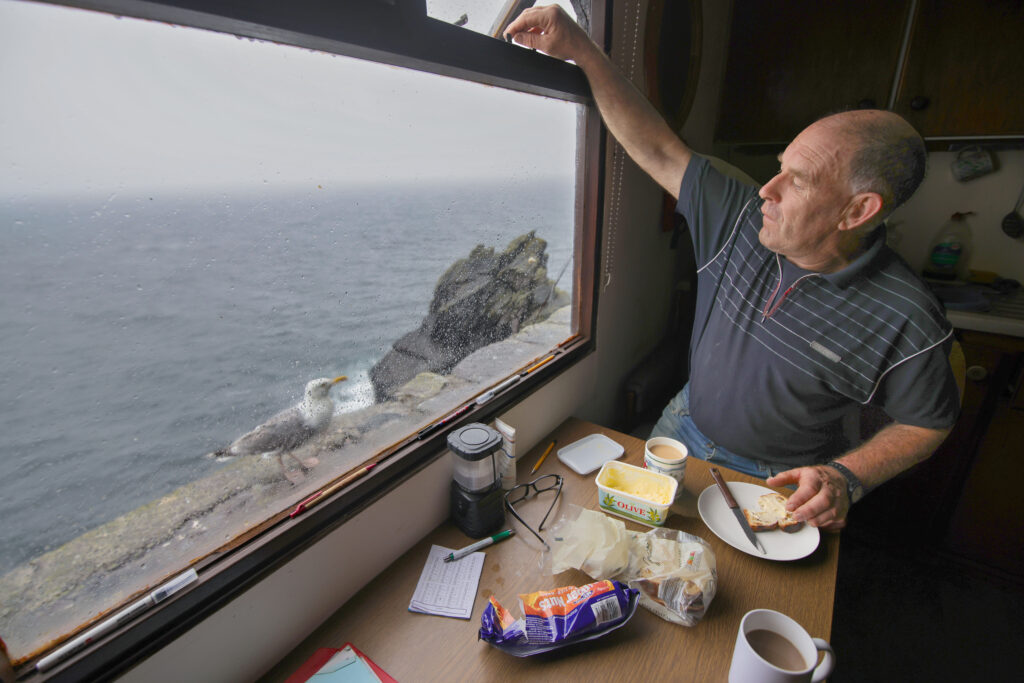
Pat O’Shea has called this precarious island his home between April and September for the past 35 years. He is the proud caretaker of Sceilg Mhichíl. The weather can be a huge hindrance to Pat and his crew, often forcing them to be marooned on land at Portmagee or exposed to the elements onSkelligs. Pat’s speciality is dry-stone walling, he must ensure there are no loose rocks and is constantly preserving and restoring the island.Living conditions at the staff huts may seem primitive, but nearby solar panels provide electricity, and each hut has a bed, cooker and the noisy sounds of sea birds for company. Patensures he brings plenty of drinking water, tea bags, fruit and vegetables from home prior to his departure.Pat misses the camaraderie of the former Lighthouse Keepers. They would visit each other and play cards and have great conversation. Photo: Valerie O'Sullivan
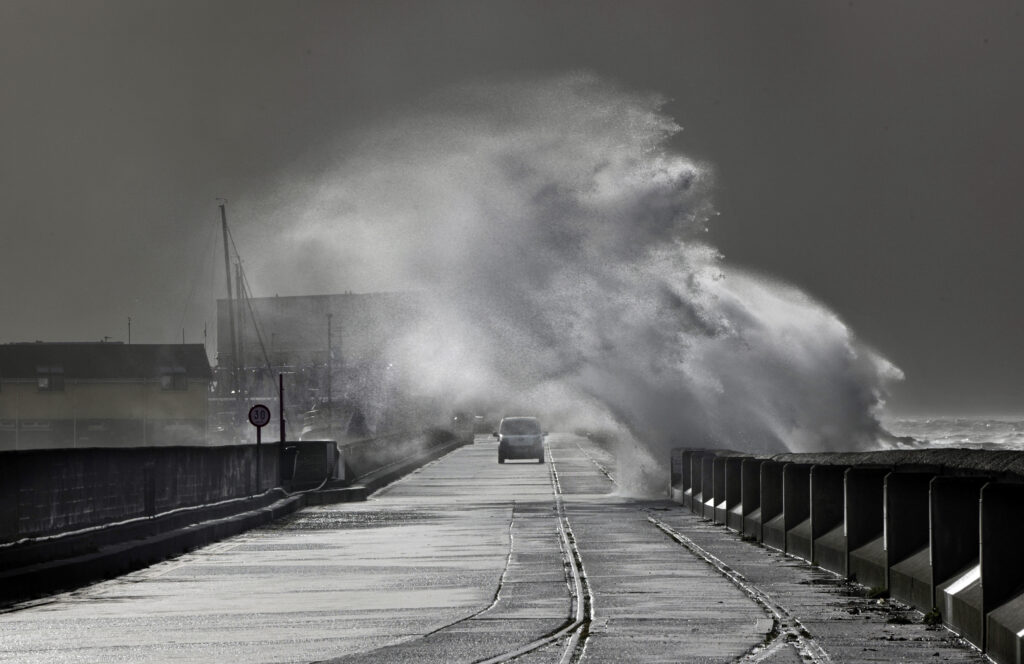
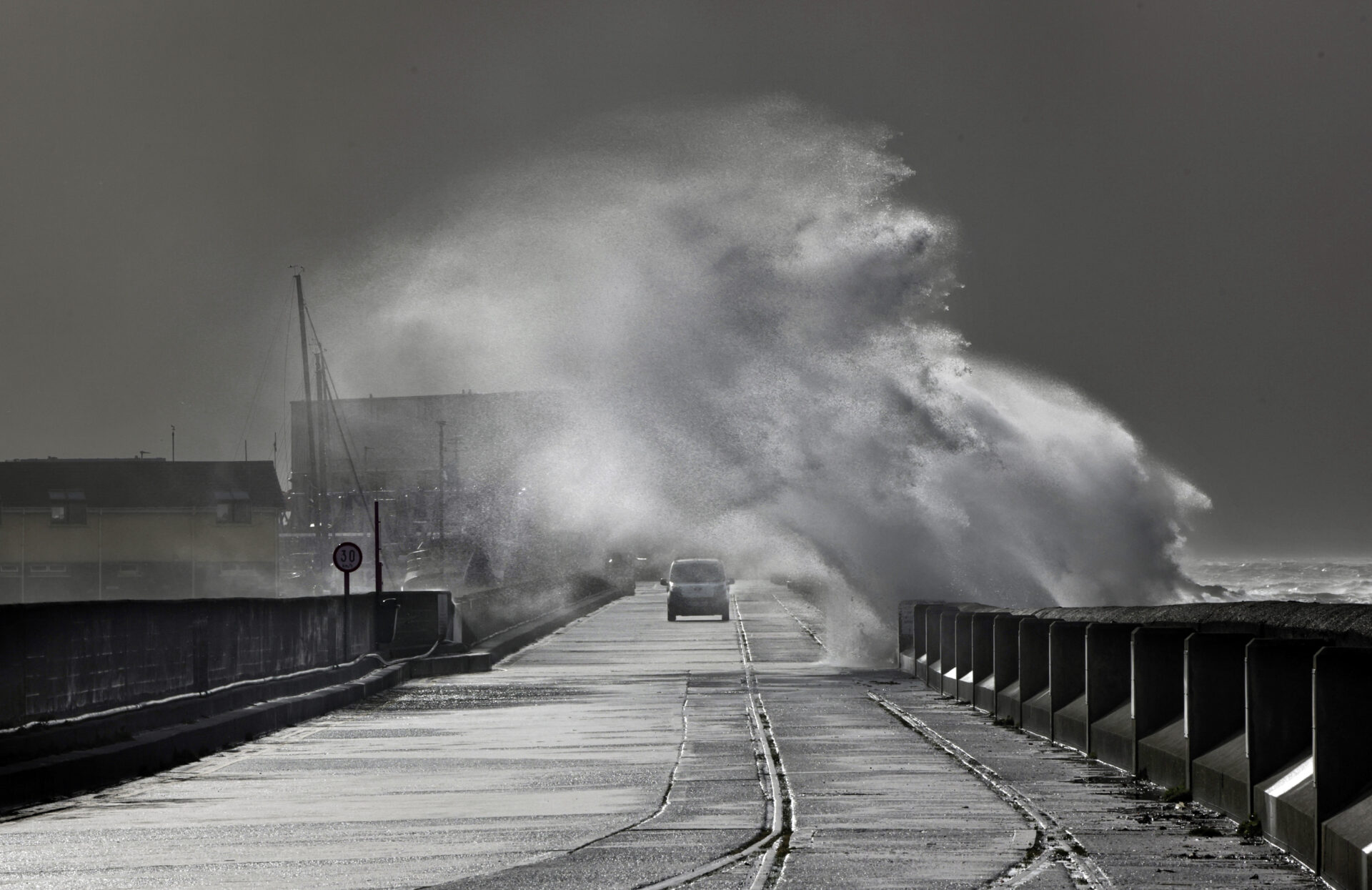
Ferocious Fenit... Drama at Fenit Harbour as County Kerry, gets pounded by violent gusts, rain and overtopping at coastal areas of the county. Photo: Valerie O'Sullivan
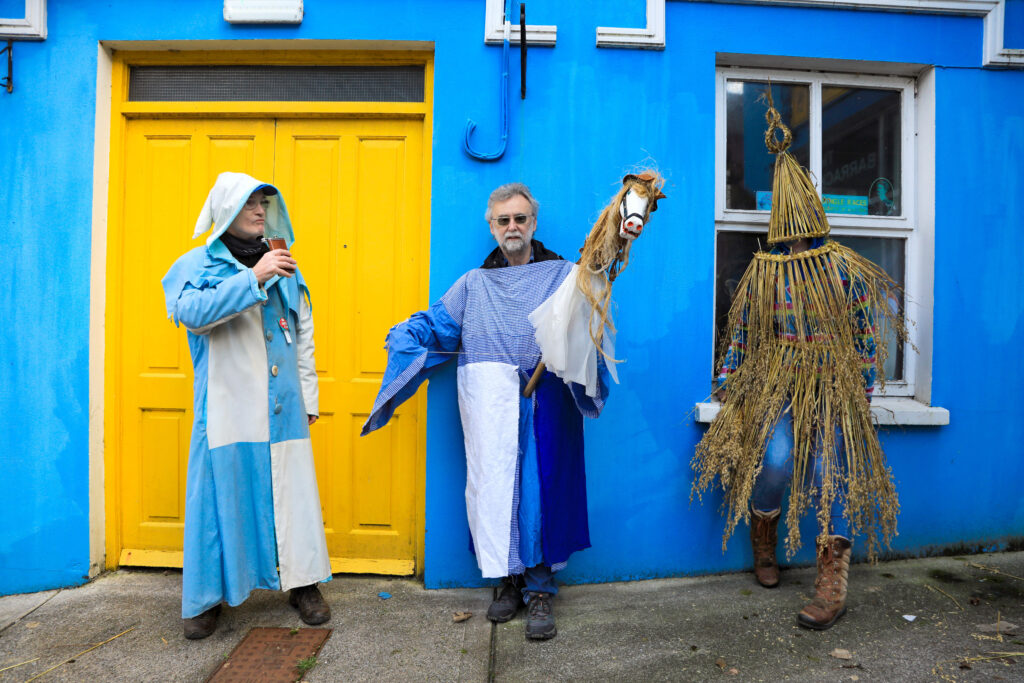
Sráide Eoin: Declan Malone (left), Pat Doyle (Hobby Horse) and Grace O’Malley, standing by waiting for the Wren to begin. Lá an Dreoilín or Wren Day is a very old tradition particularly in the Dingle Peninsula. The origin of the Irish word for wren dreoilín means trickster. The wren celebration may have descended from Celtic mythology. Ultimately, the origin may be a Samhain or midwinter sacrifice or celebration, as Celtic mythology considered the wren a symbol of the past year. Photo: Valerie O'Sullivan
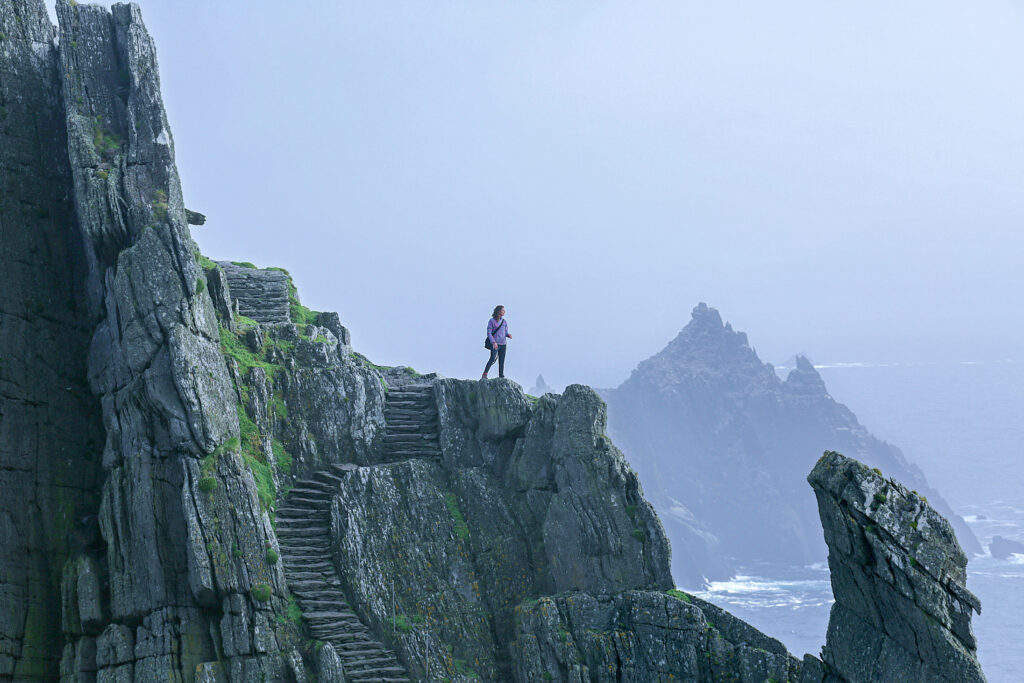
Skeilg Mhichíl: An Enigmatic Place of Pilgrimage Vanessa Lawrenson on the South Steps of Sceilg Mhichíl with Sceilg Beag in the distance. Skellig Michael or Great Skellig was chosen by a group of austere Augustinian monks in the 6th century, founded by St Fionán in 588, an original member of the StBrendan the Navigator community.The withdrawal and retreat of monks from civilisation to one of the world’s most inaccessible places is an extreme example of remote monastic hermitage, of an intensity of faith and endurance both physically and spiritually. Photo:Valerie O'Sullivan
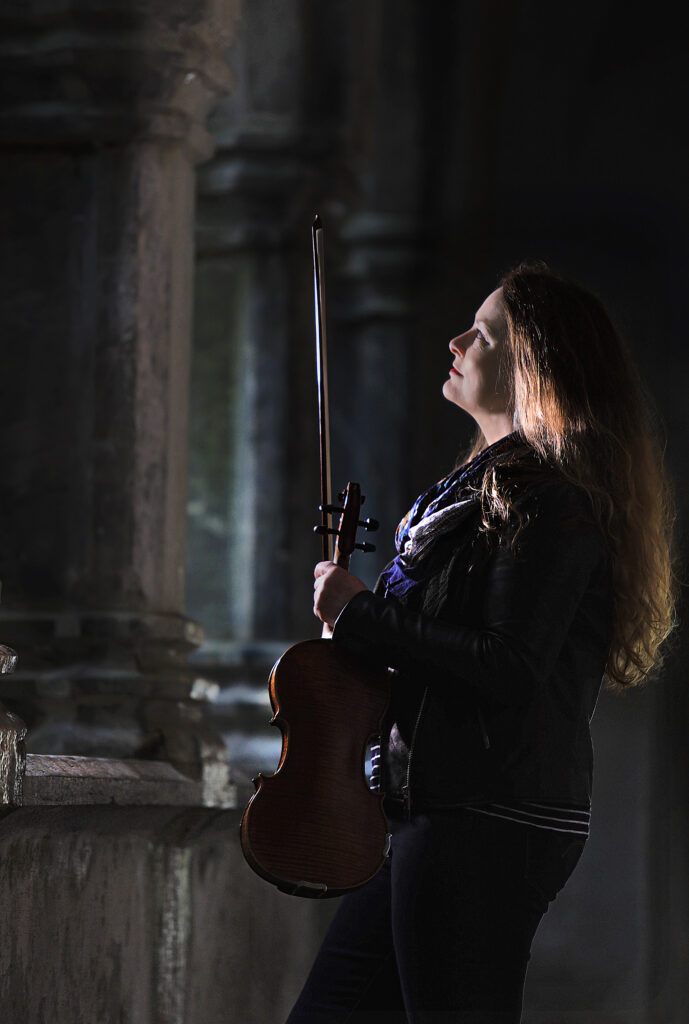
Musician, Composer and Archivist - Niamh Ní Charra, from Killarney, was nurtured and influenced by the ancient aesthetic music of nearby Sliabh Luachra. Whether she is playing or singing - it is ethereal and hauntingly compelling. A multi award-winner on both fiddle and concertina, Niamh toured as a soloist with the globally phenonemal Riverdance production. Niamh has also performed and recorded with The Chieftains, Galician piper and Sony artist Carlos Núñez. Photo: Valerie O'Sullivan
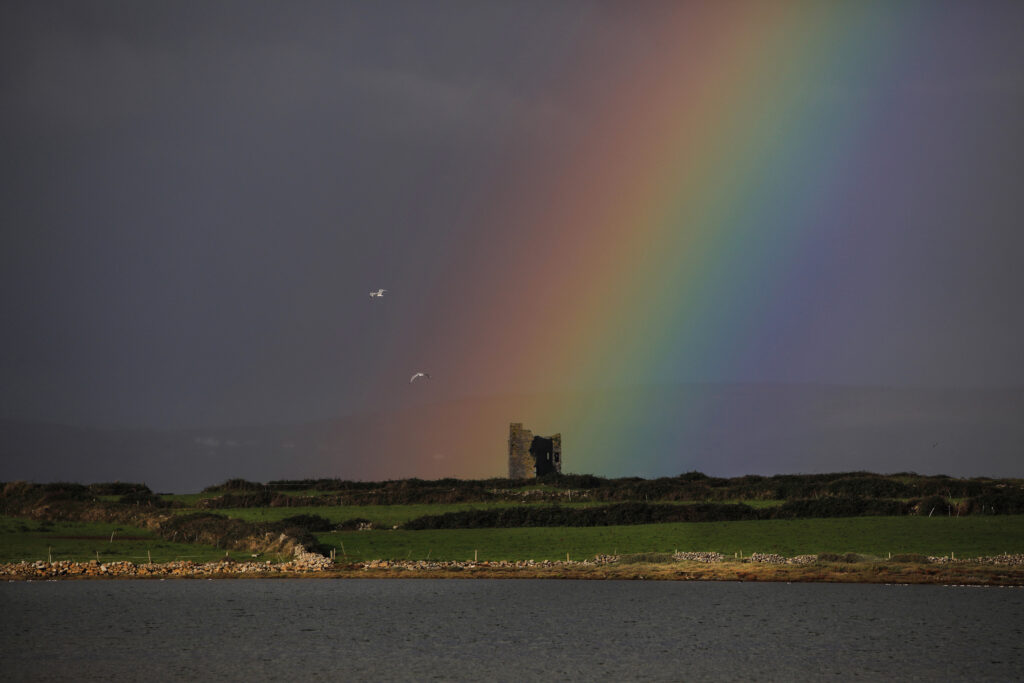
Fenit Within A rainbow guards Fenit Castle, built in 1253 in Norman times by Thomas Fitzmaurice, 1st Lord of Kerry. Because if its location, the fortified castle was protected against attacks from pirates from ‘within’ the island. While nearby Tawlacht and Barrow Castles were situated on the mainland and referred to as ‘Fenit Without’. Fenit Castle was destroyed by Cromwellian forces in 1641. Today it stands as a trusted landmark to all sea voyagers in all weathers. Photo: Valerie O'Sullivan
Killarney’s award-winning photographer, Valerie O’Sullivan, has released a striking new photographic book, On the Edge of Europe – Kerry, published by Currach Press.
The beautifully illustrated collection captures the people, places, and wild beauty of County Kerry, from the peaks of MacGillycuddy’s Reeks to the shores of the Atlantic.
Local landscapes within Killarney National Park feature strongly throughout the publication.
Among the stories highlighted is that of Tommy Mullach O’Sullivan of Ballyledder, who painstakingly dragged water from Lough Coimín Piast to build the highest grotto in Ireland on Cruach Mhór in 1975.
He was posthumously honoured at a ceremony in Cronin’s Yard in July 2025, exactly 50 years later.
Defined by the Atlantic Ocean, Kerry’s people and cultural heritage have shaped its landscape for thousands of years.
The book charts through words and images the richness of 'The Kingdom of Kerry' from ancient rock art and monastic sites to its golden age of saints, scholars, and pilgrims who ventured across the world.
In his foreword, Niall Ó Donnchú, Director General of the National Parks and Wildlife Service and a native of Gneeveguilla, writes: “Valerie O’Sullivan has long understood that to portray Kerry is not only to frame its grandeur, but to honour the relationship between people and place. Her lens finds the drama of ocean cliffs and mountain passes, but also the intimacy of a face, the glow of a cottage window, the fleeting play of light across stone.”
The UNESCO Biosphere Reserve that is Killarney National Park is given centre stage in the book, highlighting major conservation work including the regeneration of the ancient oak woodlands at Derrycunnihy, one of the oldest and most extensive native forests in Ireland and Northern Europe.
Other features include the park’s famous red deer, including ‘The Monarch of Mangerton’, the success of the white-tailed eagle project, and the park’s rich flora and fauna.
The book also shines a light on local traditions and characters from the world’s oldest regatta and the first four lady jarveys in Killarney, to the work of volunteers, boatmen, rangers, and educators who continue to protect and promote Kerry’s natural heritage.
On the Edge of Europe – Kerry is a vivid celebration of the county’s beauty, history, and community from the highest farm in Ireland to the highest grotto, and everything in between.
Valerie will be doing a book signing in Killarney House on November 15 at 2pm.
Vanessa Lawrenson on the South Steps of Sceilg Mhichíl with Sceilg Beag in the distance. Skellig Michael or Great Skellig was chosen
by a group of austere Augustinian monks in the 6th century, founded by St Fionán in 588, an original member of the StBrendan the Navigator community.The withdrawal and retreat of monks from civilisation to one of the world’s most inaccessible places is an extreme example of remote monastic hermitage, of an intensity of faith and endurance both physically and spiritually. Photo:Valerie O'Sullivan
A rainbow guards Fenit Castle, built in 1253 in Norman times by Thomas Fitzmaurice, 1st Lord of Kerry. Because if its location, the fortified castle was protected against attacks from pirates from ‘within’ the island. While nearby Tawlacht and Barrow Castles were situated on the mainland and referred to as ‘Fenit Without’. Fenit Castle was destroyed by Cromwellian forces in 1641. Today it stands as a trusted landmark to all sea voyagers in all weathers. Photo: Valerie O'Sullivan
A multi award-winner on both fiddle and concertina, Niamh toured as a soloist with the globally phenonemal Riverdance production.
Niamh has also performed and recorded with The Chieftains, Galician piper and Sony artist Carlos Núñez. Photo: Valerie O'Sullivan

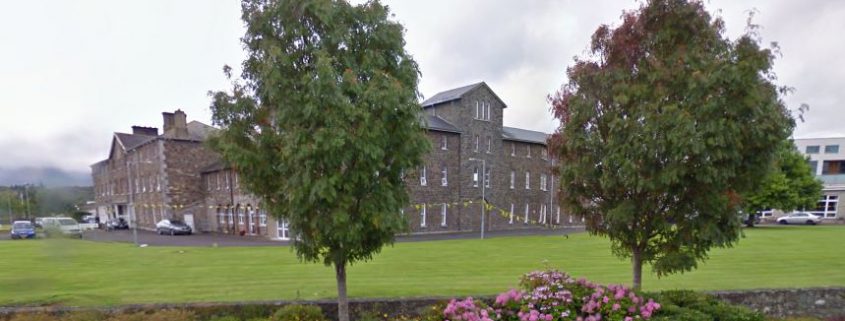
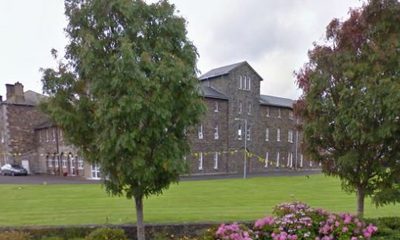
A design team has been appointed to advance plans for the proposed Minor Injury Unit on the grounds of St Columbanus Home though the HSE has confirmed it cannot yet give a construction or opening timeline.
Fianna Fáil TD Deputy Michael Cahill received the update in response to a Parliamentary Question submitted to the Minister for Health. HSE South West confirmed the newly appointed team will progress the project through design development, planning, and regulatory approval following the transfer of residents to the new Killarney Community Nursing Unit.
Deputy Cahill welcomed the appointment of the design team but raised concerns over the lack of a definitive schedule.
“I welcome the appointment of a design team, which represents progress towards delivering this important facility. However, I am concerned that the HSE is still unable to provide a definitive timeline. Previous indications from HSE officials pointed towards construction commencing in 2026, with completion anticipated in 2027. We now need clarity on the project schedule and assurances that there will be no unnecessary delays,” Deputy Cahill said.
He noted that the facility is vital to serve Killarney and the wider east, mid, and south Kerry regions while relieving pressure on the Emergency Department at University Hospital Kerry.
The HSE also confirmed it is finalising a broader review of healthcare accommodation across Killarney to develop the St Columbanus campus as an integrated healthcare hub.
“As a member of the Oireachtas Joint Committee on Health, I will continue to press the HSE and the Minister for Health to ensure this project is progressed without further delay. People across Killarney, east, mid, west and south Kerry deserve certainty. The appointment of a design team is welcome but the next priority must be getting this project to construction and delivering the facility,” Deputy Cahill concluded.
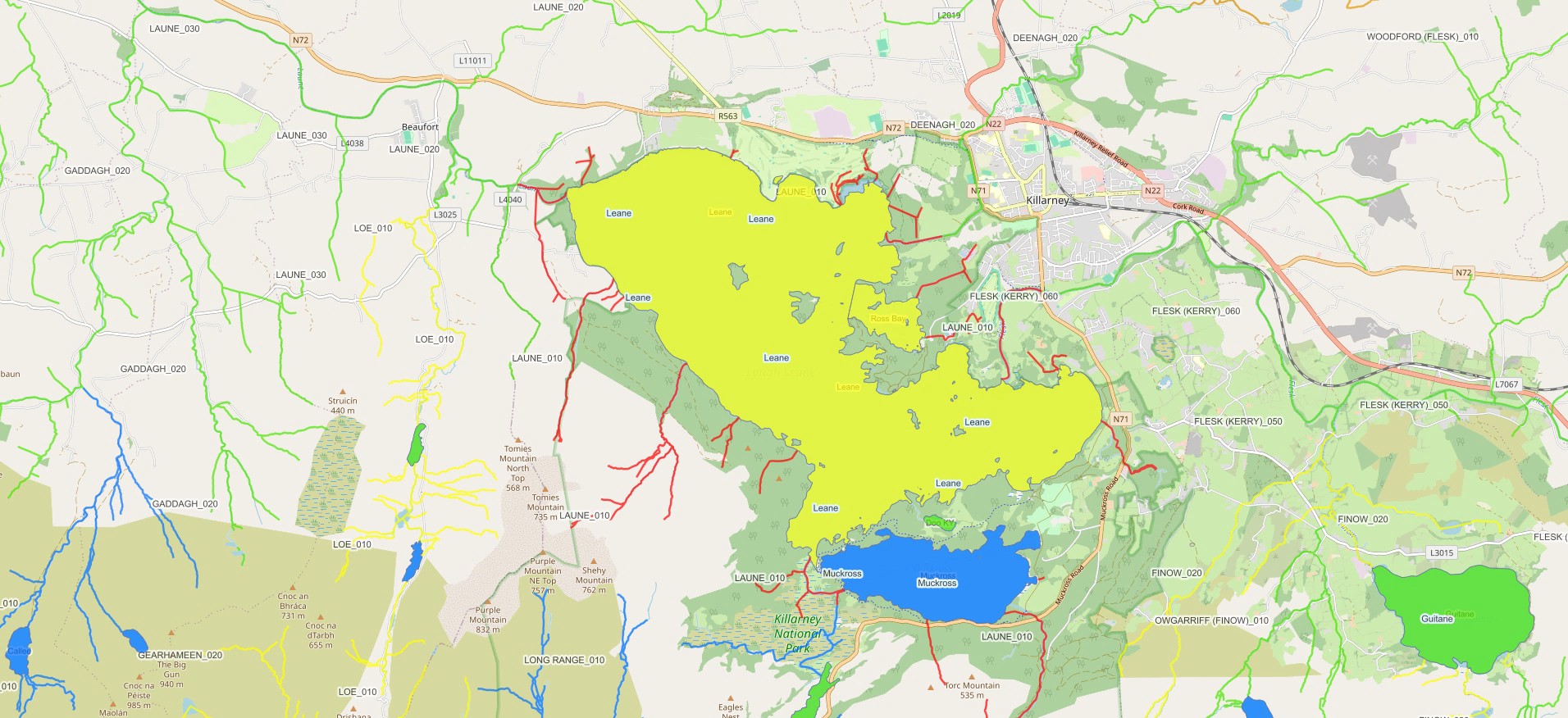
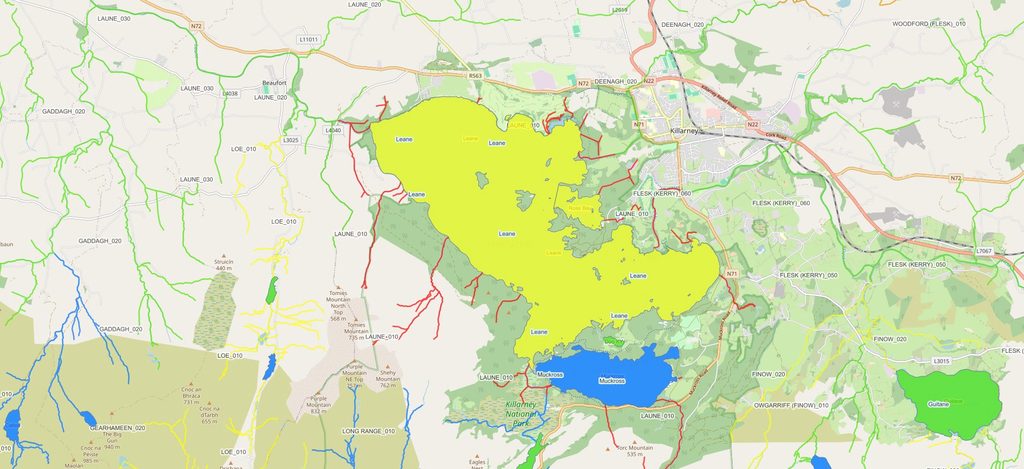
Lochanna Beo’s mapping highlights water quality concerns
Local environmental action group Lochanna Beo has released mapping data from the Environmental Protection Agency (EPA) to draw attention to deteriorating water quality across Killarney and the broader Laune Catchment.
The EPA map uses a colour-coded system to rate water quality status from 2019 to 2024: blue indicates high status, green indicates good, yellow represents moderate, brown denotes poor, and red signifies bad status.
The figures indicate significant ecological pressure on local lakes and rivers compared to neighbouring areas across County Kerry.
Formed during the summer of 2026, Lochanna Beo aims to bring together residents, business owners, agricultural operators, and public bodies to address the key factors affecting the regional aquatic ecosystem.
The community initiative is seeking direct engagement with relevant statutory authorities to implement practical restoration measures and protect the long-term health of Killarney’s water bodies.

Design team appointed for injury unit
A design team has been appointed to advance plans for the proposed Minor Injury Unit on the grounds of St...

Lochanna Beo’s mapping highlights water quality concerns
Lochanna Beo’s mapping highlights water quality concerns Local environmental action group Lochanna Beo has released mapping data from the Environmental...

Stefan Caulfield-Dreier signs professional cycling contract
Former Killarney Cycling Club rider Stefan Caulfield-Dreier has secured a professional contract with leading Dutch-based outfit Azerion-Villa Valkenburg. The 23-year-old...

Church seeks creative Christmas trees for festival
Church seeks creative Christmas trees for festival The Methodist Church in Killarney is inviting local schools, community groups, businesses, and...


€6,000 Scrooge Giveaway!
€6,000 Scrooge Giveaway! Six lucky audience members will each walk away with €1,000 as the Gleneagle Arena welcomes an extraordinary...

Fossa Swimmers make a splash at County Finals
The Fossa Swim team pictured at the Tralee Sports Complex following their successful outing at the County Finals of the...

On the Ball Part 2 of the Mikey Daly Interview
Éamonn Fitzgerald EF: Killarney Celtic are invited to participate in an Irish competition. That has big financial implications for travel,...
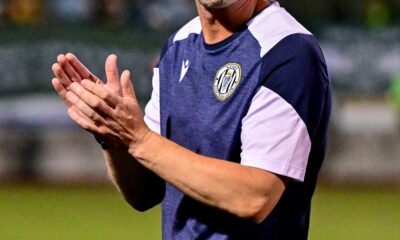

LUKE MANGAN recently caught up with Kerry FC’s manager, Colin Healy.
He spoke to him about his careers as a player and manager. Here’s how it went: When you began your...


Home cup tie for St Paul’s could be epic
Paudie O’Connor National Cup (Round 1) Utility Trust St Paul’s v GCU Brunell Saturday 7.30pm Killarney Sports and Leisure Centre...


Chances of Kerry v Cork Munster final in 2026 decrease as Munster GAA delay seeding plan
After facing a backlash from Limerick, Clare, Waterford and Tipperary players, Munster GAA have postponed their plan to keep Cork...
