
Sport
Opinion: GAA violence is worse than UFC violence. Here’s why…


by Adam Moynihan
Back when Conor McGregor rose to prominence, around ten years ago now, the UFC became quite popular in Ireland. The Dubliner’s fights were big events. You’d go in for a pint and hear lads chatting about spinning back fists and rear naked chokes. (Eyebrow-raising terminology, especially if you were only half-listening.)
I never got into MMA. I couldn’t warm to McGregor (it's nice being right every now and again) but the primary reason is that the spectacle is just too violent for me. I’m aware that some men have enjoyed observing other men getting their heads kicked in since Ancient Rome, and I’m sure long before that as well, so it’s not that I find the existence of combat sports surprising. It’s just that they don’t really appeal to me. I suppose I’m soft.
Give me a good clean game of Gaelic football any day, I would say to no one in particular, as my friends gleefully watched some Brazilian chap getting his face smooshed into the canvas in a blood-soaked flurry of fists and elbows and kneecaps to the nose.
Of course, the irony of my holier-than-though attitude is that the GAA is violent too, and arguably in a worse way. At least in the UFC you know what you’re getting. If you’re participating, there’s a good chance your arm might get ripped out of its socket or your skull might end up with more cavities than it strictly needs. If you’re sitting in the front row, you could get blood spatter on your shirt. You know that when you’re buying your ticket.
On the other hand, the violence in the GAA is a sneakier kind of violence. It’s always there, lurking in the long grass, waiting to show its angry head. Sometimes - in fact, a lot of the time - it doesn’t bother. But when it does reveal itself, things can get very bad, very fast.
Some of the harder bastards amongst you are probably rolling your eyes at this point. Sure, what would the GAA be without physicality, without a skirmish, without the odd belt?
That would be grand if it actually was just the odd belt. On the contrary, some of the violent acts we’ve seen on GAA pitches are far more serious than that. In fact, not only are they bad by GAA standards, they’re even bad by UFC standards.
Yes, some scenes that unfold in Gaelic football and hurling games are too violent and too dangerous for the most violent mainstream sport in the world.
Take the recent Johnny Glynn incident in the Galway hurling championship. The former county footballer was caught on video apparently choking an opponent with his hand fixed around his neck. The prostrate victim was visibly struggling for air. When he got back to his feet, the skin around his throat was badly marked. In typical GAA fashion both players were yellow-carded at the time.
But then, after the fact (no doubt prompted by the reaction on social media), the Galway CCC stepped in to investigate. Glynn received a one-match suspension – the same punishment he’d get if he was sent off for throwing a punch or for calling the referee a bollocks.
Grabbing an opponent around the trachea with the hand is illegal in UFC.
In January, during the All-Ireland Junior Club final at Croke Park, a Stewartstown Harps player aggressively grabbed Fossa’s David Clifford in the groin area. The referee didn’t see it but the TV footage is pretty clear. The incident sparked outrage but, as far as I can tell, no subsequent action was taken against the perpetrator.
Any attack to the groin area, including striking or grabbing, is illegal in UFC.
In 2022, when the championship match between Armagh and Galway turned into an all-out melee, Armagh panellist Tiernan Kelly, who was injured and not togged out, gouged Damien Comer’s eye. He received a six-month ban, but the timing meant he didn’t miss a single minute of intercounty football.
Eye gouging is illegal in UFC.
Also in 2022, shocking footage emerged from Roscommon showing a team mentor entering the field during an U17 match and physically assaulting a referee. The referee was knocked unconscious and had to be removed from the scene in an ambulance.
A 96-week ban – the maximum suspension allowable by the GAA’s current rules – was proposed at the time. I am assuming it was upheld, although I wasn’t able to find any confirmation online. As of July, the criminal case was still being processed by the courts.
A coach entering the octagon and knocking out a referee is illegal in UFC (and I have never heard of it happening).
As recently as last weekend, an amateur video from a Dublin hurling match brought the issue of GAA violence to the fore once again. Another ugly mass brawl turned uglier when some guy in plain clothes (it’s unclear what role, if any, he has with the team) smacked an opposition player in the side of the head with a hurley. The victim was not wearing a helmet.
‘Some guy’ entering the octagon and assaulting a fighter is illegal in UFC (and I have never heard of it happening).
These instances of violence that we have seen in Gaelic games are not just excessive for a field sport, they are excessive for the most vicious sport out there – a sport that is too bloody for a lot of viewers (myself included).
Does this bother top ranking GAA officials and the people responsible for handing out suspensions? Because it should.
This week the GAA launched a new ‘respect’ initiative alongside the FAI and the IRFU. “The three main sporting bodies in Ireland are working together to remind everyone within their games about the values of ‘Respect’ on and off the field,” the press release reads.
That sounds nice but the reality is that people who engage in violence on our playing fields exhibit a complete lack of respect to our games and “reminding” them of values is unlikely to change their behaviour. They need to face appropriate consequences for their actions - including permanent bans for dangerous assaults - not a slap on the wrist or some time in the bold corner.
Our leaders in Croke Park talk about players and coaches and supporters showing respect but by failing to properly punish violence, the association’s disciplinarians are showing a lack of respect to everyone else.
News
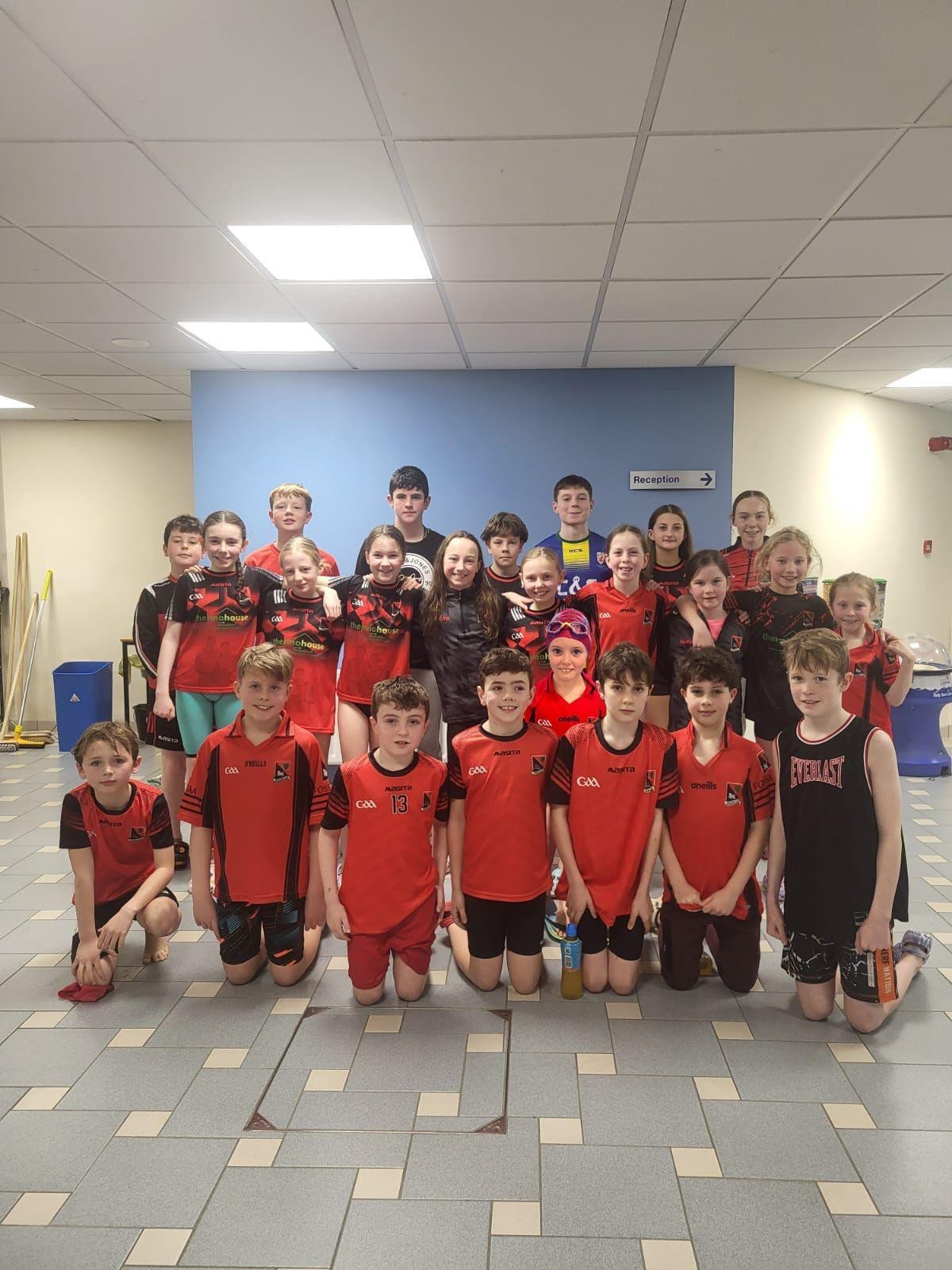
Fossa Swimmers make a splash at County Finals
The Fossa Swim team pictured at the Tralee Sports Complex following their successful outing at the County Finals of the Community Games on Sunday, February 15. The 25-strong squad delivered […]

News
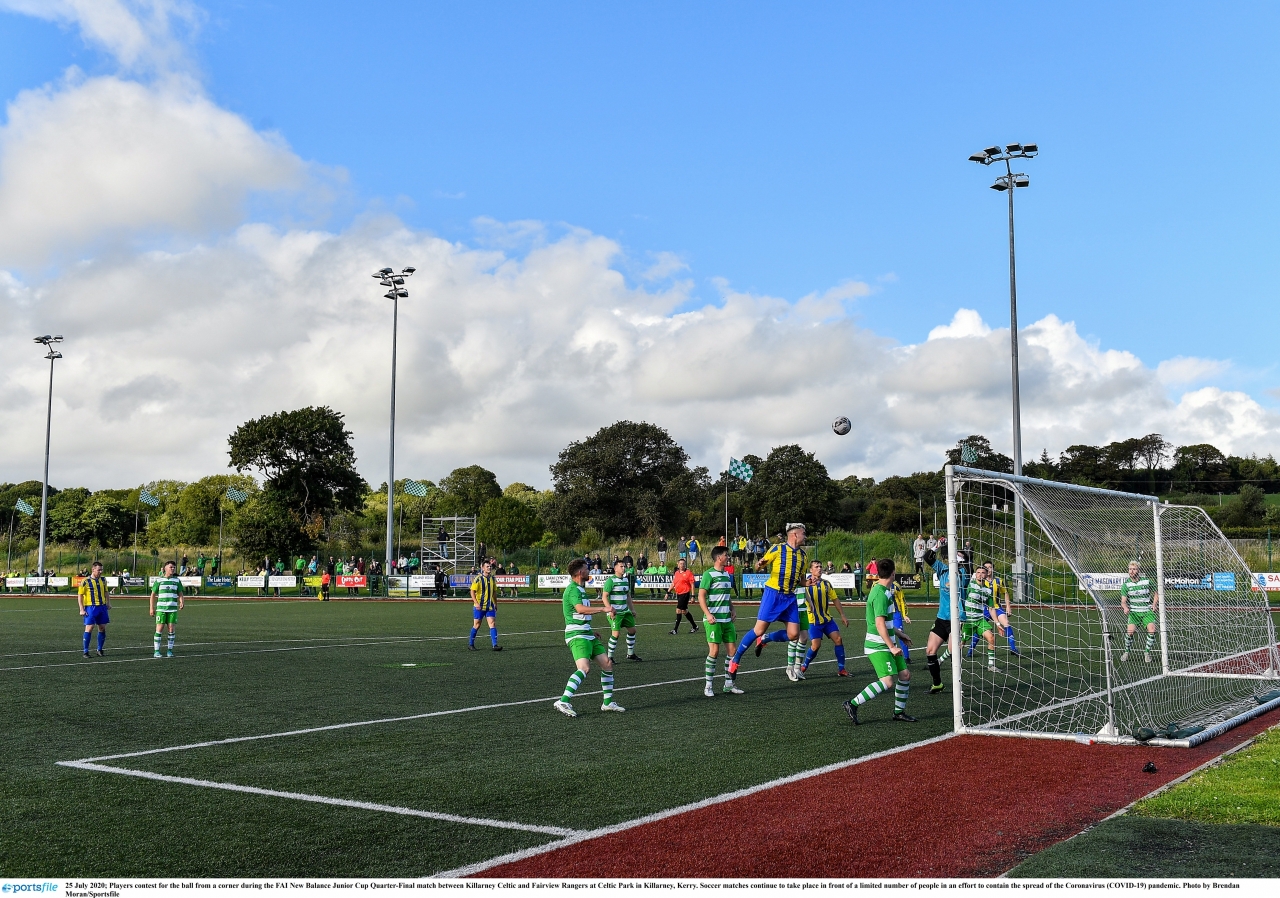
On the Ball Part 2 of the Mikey Daly Interview
Éamonn Fitzgerald EF: Killarney Celtic are invited to participate in an Irish competition. That has big financial implications for travel, meals, etc. MD: It is great to be invited, showing […]


Paralympic legend Jason Smyth visits St Brendan’s
Paralympic legend Jason Smyth visits St Brendan’s World renowned Paralympian and world record holder Jason Smyth paid a visit to...


Deerpark Retail Park placed on market for fifteen million euro
Deerpark Retail Park in Killarney has officially been placed on the market with a guide price in excess of 15.4...


Killarney Racecourse to host first professional festive pantomime
Killarney Racecourse to host first professional festive pantomime A classic fairytale is set to receive a distinct Kerry makeover this festive...


Kerry artist explores identity at ANAM
Kerry artist explores identity at ANAM Kerry artist Felix Power is inviting the Killarney community to explore personal ideas of...


Town encouraged to wear bright colours for Kevin
Town encouraged to wear bright colours for Kevin The town of Killarney was encouraged to wear its brightest colours this...
