
News
Don’t accept unnecessary risk


By Michael O’Connor, theislandinvestor.com
I always advocate for long-term investing, but this buy-and-hold narrative can be misinterpreted as 'do absolutely nothing'.
I disagree with this take, and if your financial advisor has made no changes to your portfolio over the last few years, you should probably go shopping for a new one.
We had the most predictable and forecast interest rate hiking cycle over the last 18 months. If your portfolio was left sitting in bonds when negative asymmetric returns were clearly on the table (only downside), then you need to be asking some questions.
There is a difference between patience and incompetence. Unfortunately, over the short term, the two are indistinguishable.
If your financial advisor hasn't made any changes to your portfolio because they believe that 'time in the market' is all that matters, that's perfectly fine. That is an investment approach that has been successful for so many. But why are you paying them to sit on your money when you can just invest that money directly yourself on any online brokerage? If the middle-man isn't adding value, remove them.
Check your exposure
Just because you're a long-term investor doesn't mean you need to blindly reach for returns. Tactically adjusting your portfolio to mitigate against obvious risks on the table is an important part of the investment process.
With that said, growing expectations around a recession should not be seen as a 'sell everything' event. You simply need to reassess where your exposure lies.
Ensure you are invested in companies with;
Strong 'Net Margins': Improving revenue is great, but it needs to make the business more profitable. Far too many companies are spending more than they are making, all in the name of customer acquisition. This 'growth at any cost' tactic was rewarded when money was free, but with credit standards tightening and interest rates jumping higher, the endless growth narrative is about to catch up on many of these 'high growth' names.
High 'Free Cash Flow' Margins: In its simplest terms, free cash flow is just the cash that can be taken from a business without disrupting the operations of the business. Importantly, this number factors in the cost of growth. So, if a business is growing and has a good FCF margin, it should pique your interest.
Stable Return on Invested Capital (ROIC): ROIC is just the profits a business makes on the money invested into it. The premise is pretty straightforward. You want to invest in companies with a history of using their equity to generate more profits. Looking at companies with sky-high ROIC can be compelling, but what you want to see is a consistent history of stable ROIC over time. Ignore the once-off data; always analyse the trend.
You can find all this info on any company by simply typing the company's name into sites like stratosphere.io.
Be selective in the risks you take.
My portfolio
I have moved to underweight equities with a focus on quality and energy.
The remainder of my holdings have been moved into short-term treasuries, with a very small portion in long-term treasuries with zero corporate bond exposure.
I also hold roughly 20% in a short-term tactical portfolio mostly made up of distressed financials, tech and mining, but I would categorise these as bets more than investments and not something I necessarily recommend doing.
If you have any questions, please don't hesitate to reach out.
To get my latest 10 stock recommendations, sign up for my newsletter by scanning the QR code or go to www.theislandinvestor.com.

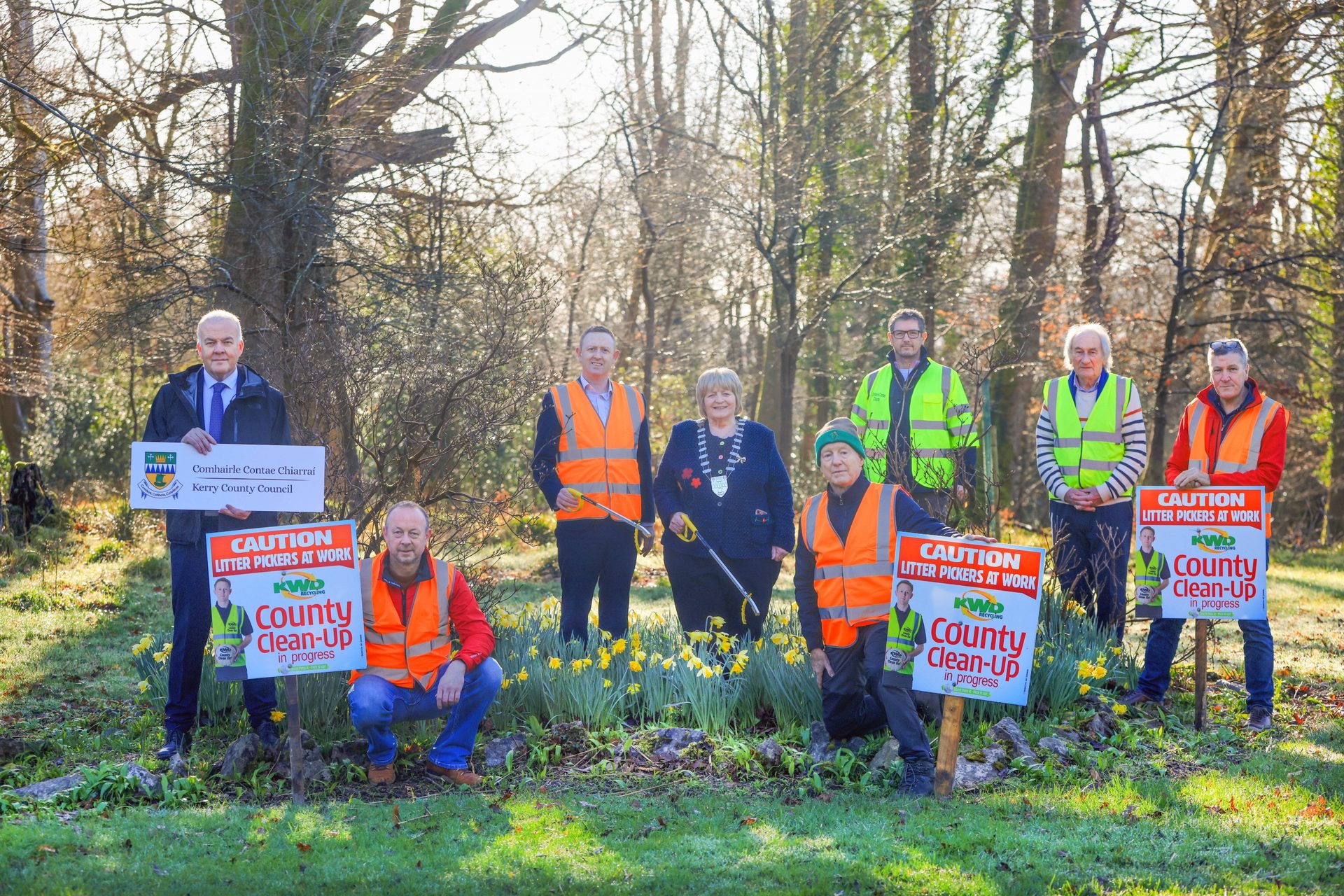
KWD Recycling shortlisted for national environmental awards
Killarney-based KWD Recycling has been announced as a finalist in the 2026 Repak Resource Awards, securing a spot on the national shortlist for environmental achievement.
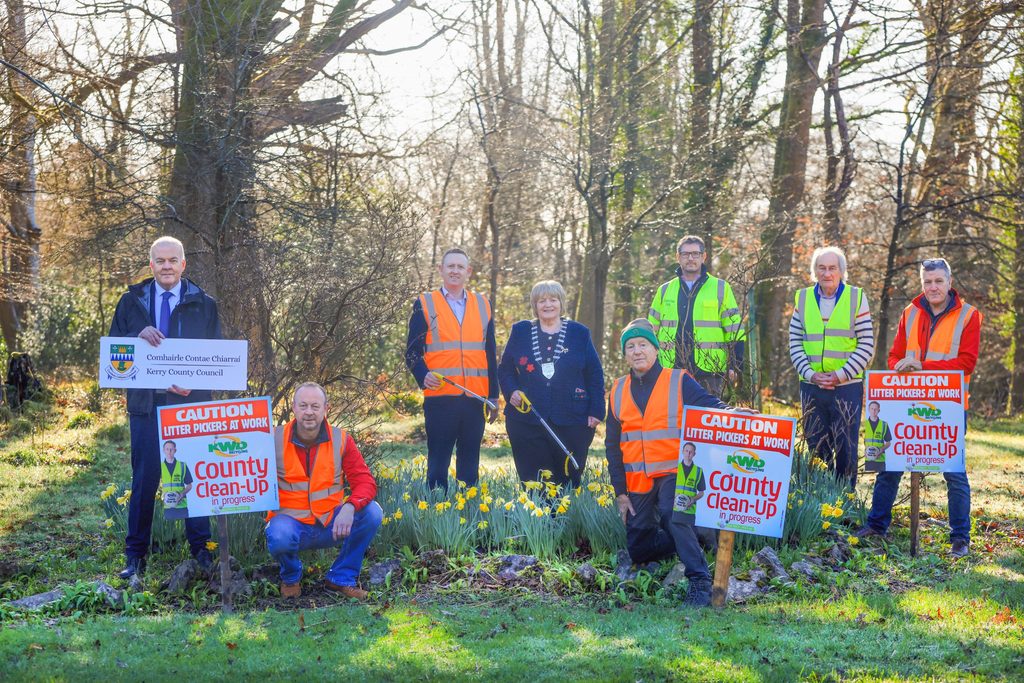
The local waste management company has been nominated in the Best Recovery Operator Innovation category, sponsored by DNV, for its state-of-the-art residual waste recovery system.
The Killarney facility utilizes optical sorting, screening, and mechanical processing to extract recyclable plastics and organic material from municipal waste. In its first year of operation, the technology recovered more than 10 per cent of plastic packaging from residual waste for recycling and diverted almost 50 per cent of organic material toward composting.
KWD Recycling will compete alongside Dublin operators Panda and Thorntons Recycling for the category title.
Repak CEO Zoe Kavanagh commended the Kerry firm for demonstrating environmental leadership and bringing local ambition to the national awards.
Category winners will be announced at a black-tie ceremony at the Mansion House in Dublin on Friday, October 23, where each winner will also compete for the Overall Repak Resource Award.
Local businesses have a strong track record at the national event, with Killarney town venue The Killarney Park and The Ross previously taking home the overall title in 2023.
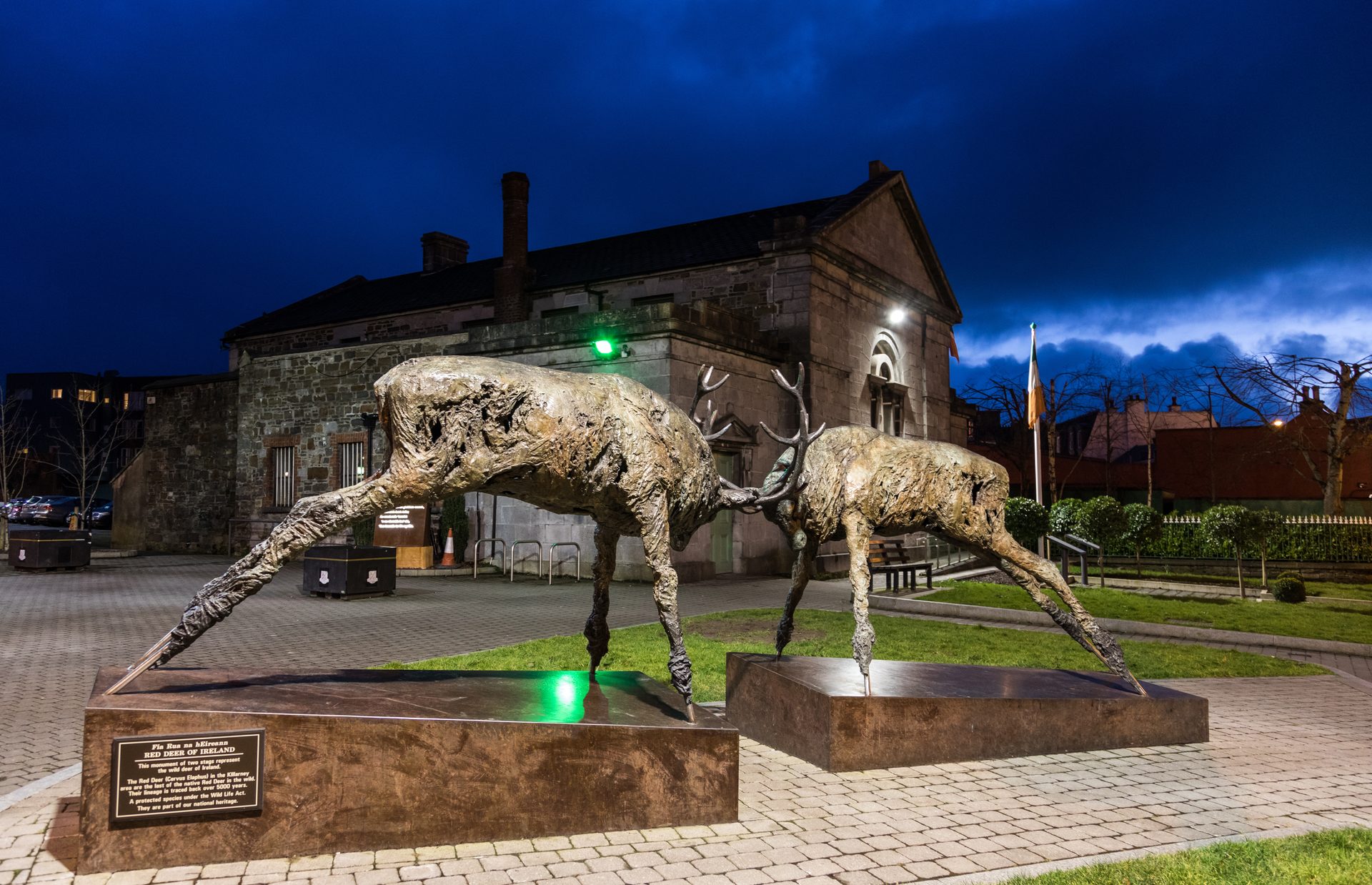
Drivers warned as deer rutting season begins
Motorists in Killarney are being urged to exercise extreme caution as the annual deer rutting season gets underway, causing animals to stray far beyond their usual habitats inside Killarney National Park.
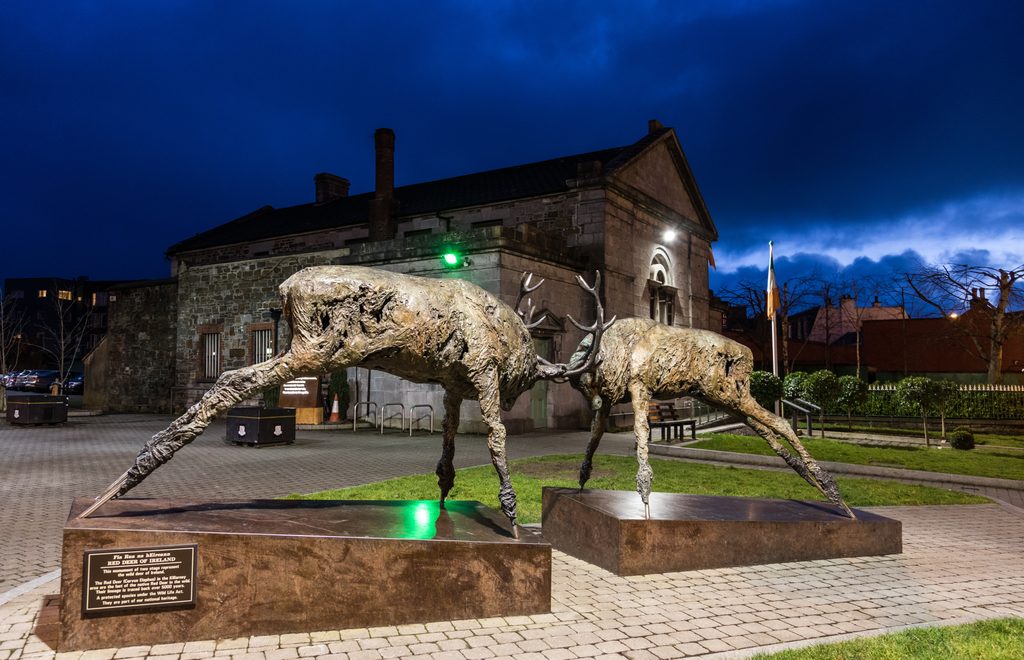
The autumn mating season sees deer becoming highly active and unpredictable, leading to increased sightings and collisions on local roads outside traditional park boundaries.
Two separate incidents highlighted the growing hazard on local routes this week. A reader contacted the Killarney Advertiser to warn drivers after spotting a deer roaming near Tiernaboul towards the school on Sunday afternoon around 7.30pm.
Later that same night, in the early hours of Monday morning, a local driver collided with a deer near Kerry Airport around 1am while returning home from an event.
Despite attempting evasive action, the motorist struck the animal, which died at the scene and temporarily blocked the road before local Gardaí were alerted to clear the obstruction.
The driver sustained substantial vehicle damage, requiring repairs to the bumper, headlamp, and internal components, leaving her facing significant garage costs and time off the road.
Gardaí and road safety advocates advise motorists travelLing during early morning and late evening and remain vigilant along tree-lined routes.
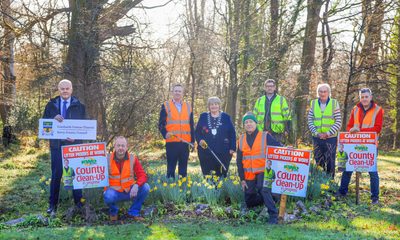

KWD Recycling shortlisted for national environmental awards
KWD Recycling shortlisted for national environmental awards Killarney-based KWD Recycling has been announced as a finalist in the 2026 Repak...
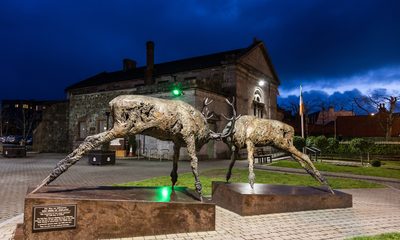

Drivers warned as deer rutting season begins
Drivers warned as deer rutting season begins Motorists in Killarney are being urged to exercise extreme caution as the annual...
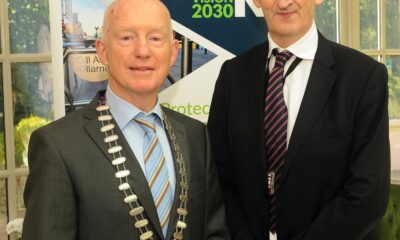

Kerry Airport CEO addresses chamber luncheon
Kerry Airport chief executive Adrian Neilan addressed local business leaders at the Killarney Chamber of Tourism and Commerce luncheon at...


The Brehon raises €2,850 for Jack and Jill Foundation
The Brehon Hotel and Spa raised €2,850 for the Jack and Jill Children’s Foundation after hosting a closest-to-the-pin golf simulator...
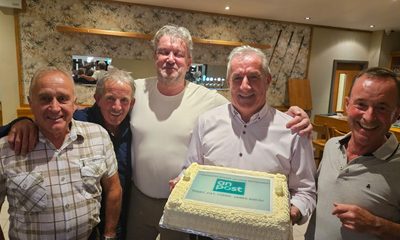

Five local postmen retire with 185 years service
Five local postmen retire with 185 years service RETIREMENT NIGHT: Pictured at the retirement party held at Killarney Racecourse on...
