
News
Do you really need to take supplements?


By Angela Kerrisk from Activate Fitness
The question about taking supplements is something we often get asked during our nutrition consultations.


In an ideal world, we eat a diet rich in whole foods with a variety of different coloured fruits and veggies, quality protein and healthy fats. If this is the case, supplementation should not be necessary. However, we know in our ever-moving society, supplements can often be seen as convenient. The supplement industry is huge and continues to grow almost daily. Whether it be a multivitamin as a child, Vitamin C to fight off colds, protein powder to help hit our protein target, we’ve all likely taken some form of supplement in our life.
Protein Supplements
One of the most popular amino acid supplements is branched-chain amino acids (BCAAs). We count one gram as one gram of protein. The theory behind these is that they help prevent muscle breakdown during intense exercise, however, does the research support this? Not all research has found positive benefits from a BCAA supplement. BCAAs will likely not have an impact on endurance, but a dose of six to 15 grams can help improve recovery following a hard training session. However, if you are consuming a diet high in protein and consuming a variety of different protein sources, BCAAs are not necessary.
Creatine is made naturally in the body and can be found in meat and fish, or taken in higher doses as a supplement. Hundreds of studies have been done on the effect of creatine supplements and much of these studies were done looking at anaerobic performance training. A little more than half of the studies report a positive effect on performance, while the remainder showed no real effect.
Collagen is growing in popularity and is one of the most abundant proteins in the human body making up one-third of the total body protein mass. If your diet is high in collagen-rich foods such as beef, pork, poultry, fish, fish skin and shellfish, a collagen supplement is not necessary. Given that collagen is found in animal protein, it will not be appropriate if you are vegetarian or vegan. There are, however, vegan options available that are called "collagen boosters", although these do not have substantial evidence to support their claims at this time. Most importantly, if your main goal is muscle gain then this is not the best supplement for that purpose.
Powders, bars and ready-to-drink shakes
Typically, these supplements will include whey protein, soy protein, casein or a mixture of a few different proteins. These supplement products are meant to provide a high concentration of protein to supplement usual food intake. Most of us can meet our daily protein requirements from food choices; however, protein supplements may benefit those who have a particularly high protein requirement and/or cannot consume enough protein through food. You should be cautious when relying on too many shakes or supplements in order to hit your protein targets as this can lead to increased hunger. Shakes and supplements will not keep you as satiated as whole foods.
Carbohydrate Supplements
Energy gels consist of simple sugars. Generally, these come in squeeze pouches and will contain 18-25g of carbohydrates. So, do we need them? Energy gels are a convenient way to consume carbohydrates during prolonged endurance training, but they require around 350ml of water with each 25-gram carbohydrate gel pack. This looks like approximately six big gulps of water with half a gel pack every 15 to 30 minutes, which may not be convenient for everyone, particularly those who do not want to always carry a water bottle. If one does not drink enough water, they can end up with gelatinous goo in the stomach which pulls water from the blood-stream and can increase the risk of dehydration.
Micronutrient Supplements
A vitamin worth highlighting is Vitamin D, the sunshine vitamin. This is of particular importance for those athletes who train mainly indoors and get little sunlight exposure. There is a growing body of research that suggests deficiencies in Vitamin D reduce muscle function, strength and performance. Likewise, studies have shown that increased levels of Vitamin D may in fact enhance performance.
Caffeine
We may not think of caffeine as a supplement; however, it was once on the banned list from the World Anti-Doping Agency. It was removed from this list in 2004 because it was found that caffeine did not enhance performance more than everyday caffeine use. Caffeine increases alertness and concentration by acting on the central nervous system. This reduces the perception of fatigue. Low to moderate doses of caffeine produce positive effects, but higher doses of caffeine can have negative effects including increased heart rate, impaired fine motor control and anxiety and sleeplessness. Some people are more susceptible than others, so it's important that you monitor the way in which your body responds.
Although we would love for our clients to be eating a diet rich in whole foods and hitting their macronutrient targets by consuming a variety of different whole foods, we know this is not always the case and many times for convenience, clients may turn to supplements. The supplement industry is full of a variety of different claims and can be overwhelming for many to navigate. As nutrition coaches, clients often turn to us seeking guidance on supplements, however, if you suspect deficiencies this should be a discussion with your doctor. The message here is that supplements prescribed by a doctor are helpful for people with certain medical issues.
Eating more whole foods is our best bet for improving our health. As you can see from above a well-balanced diet will give you everything your body needs to enjoy life and work out. If you need any help contact me angela@activate.ie.

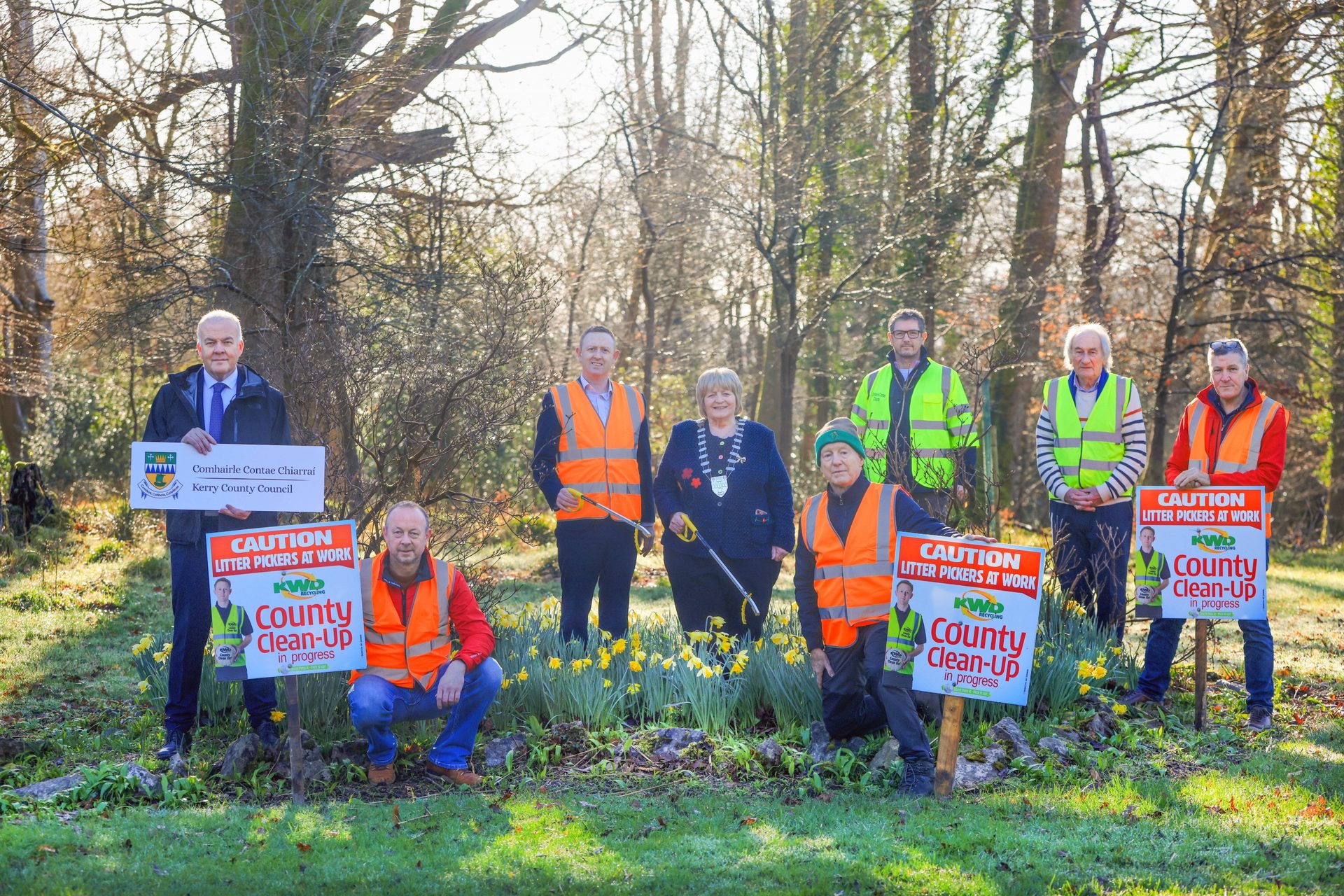
KWD Recycling shortlisted for national environmental awards
Killarney-based KWD Recycling has been announced as a finalist in the 2026 Repak Resource Awards, securing a spot on the national shortlist for environmental achievement.
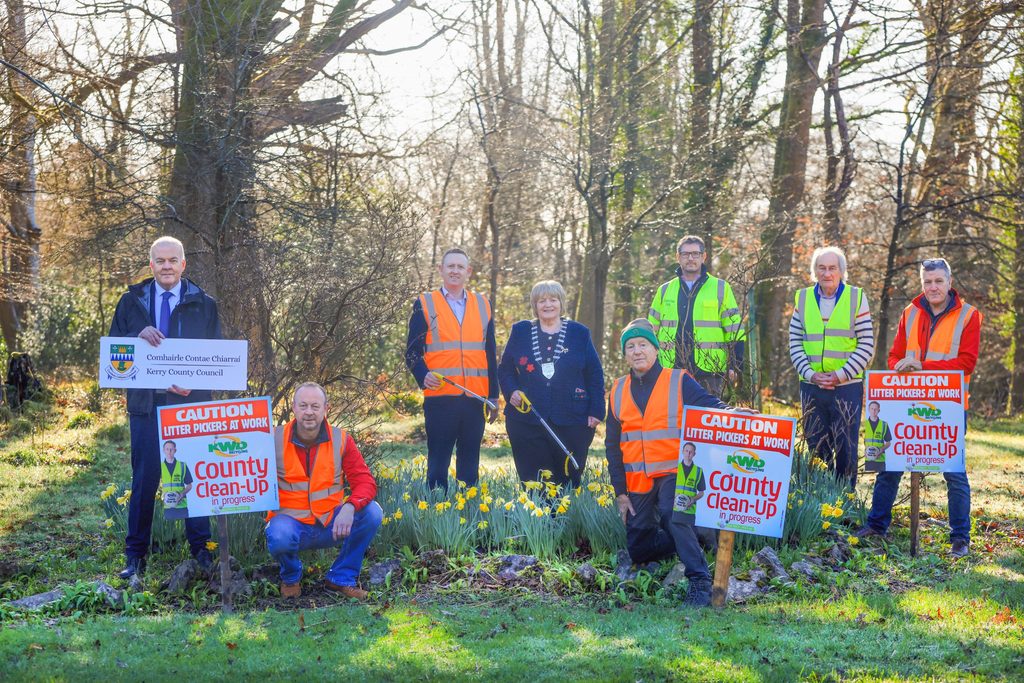
The local waste management company has been nominated in the Best Recovery Operator Innovation category, sponsored by DNV, for its state-of-the-art residual waste recovery system.
The Killarney facility utilizes optical sorting, screening, and mechanical processing to extract recyclable plastics and organic material from municipal waste. In its first year of operation, the technology recovered more than 10 per cent of plastic packaging from residual waste for recycling and diverted almost 50 per cent of organic material toward composting.
KWD Recycling will compete alongside Dublin operators Panda and Thorntons Recycling for the category title.
Repak CEO Zoe Kavanagh commended the Kerry firm for demonstrating environmental leadership and bringing local ambition to the national awards.
Category winners will be announced at a black-tie ceremony at the Mansion House in Dublin on Friday, October 23, where each winner will also compete for the Overall Repak Resource Award.
Local businesses have a strong track record at the national event, with Killarney town venue The Killarney Park and The Ross previously taking home the overall title in 2023.

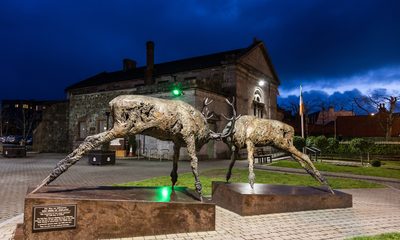
Drivers warned as deer rutting season begins
Motorists in Killarney are being urged to exercise extreme caution as the annual deer rutting season gets underway, causing animals to stray far beyond their usual habitats inside Killarney National Park.
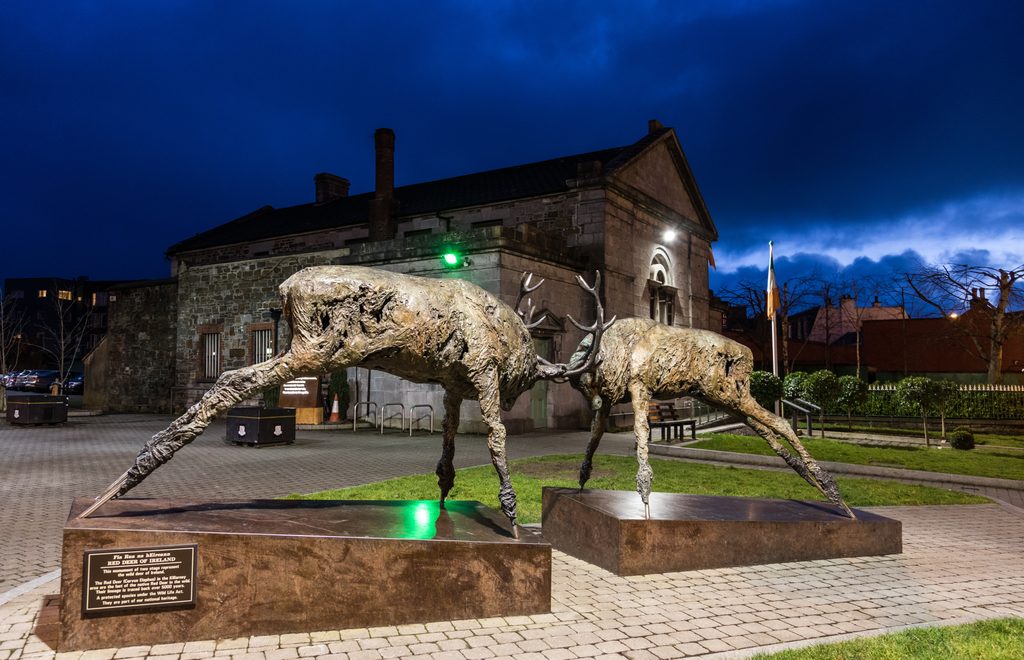
The autumn mating season sees deer becoming highly active and unpredictable, leading to increased sightings and collisions on local roads outside traditional park boundaries.
Two separate incidents highlighted the growing hazard on local routes this week. A reader contacted the Killarney Advertiser to warn drivers after spotting a deer roaming near Tiernaboul towards the school on Sunday afternoon around 7.30pm.
Later that same night, in the early hours of Monday morning, a local driver collided with a deer near Kerry Airport around 1am while returning home from an event.
Despite attempting evasive action, the motorist struck the animal, which died at the scene and temporarily blocked the road before local Gardaí were alerted to clear the obstruction.
The driver sustained substantial vehicle damage, requiring repairs to the bumper, headlamp, and internal components, leaving her facing significant garage costs and time off the road.
Gardaí and road safety advocates advise motorists travelLing during early morning and late evening and remain vigilant along tree-lined routes.

KWD Recycling shortlisted for national environmental awards
KWD Recycling shortlisted for national environmental awards Killarney-based KWD Recycling has been announced as a finalist in the 2026 Repak...

Drivers warned as deer rutting season begins
Drivers warned as deer rutting season begins Motorists in Killarney are being urged to exercise extreme caution as the annual...


Kerry Airport CEO addresses chamber luncheon
Kerry Airport chief executive Adrian Neilan addressed local business leaders at the Killarney Chamber of Tourism and Commerce luncheon at...


The Brehon raises €2,850 for Jack and Jill Foundation
The Brehon Hotel and Spa raised €2,850 for the Jack and Jill Children’s Foundation after hosting a closest-to-the-pin golf simulator...


Five local postmen retire with 185 years service
Five local postmen retire with 185 years service RETIREMENT NIGHT: Pictured at the retirement party held at Killarney Racecourse on...


Fossa Swimmers make a splash at County Finals
The Fossa Swim team pictured at the Tralee Sports Complex following their successful outing at the County Finals of the...


On the Ball Part 2 of the Mikey Daly Interview
Éamonn Fitzgerald EF: Killarney Celtic are invited to participate in an Irish competition. That has big financial implications for travel,...


LUKE MANGAN recently caught up with Kerry FC’s manager, Colin Healy.
He spoke to him about his careers as a player and manager. Here’s how it went: When you began your...


Home cup tie for St Paul’s could be epic
Paudie O’Connor National Cup (Round 1) Utility Trust St Paul’s v GCU Brunell Saturday 7.30pm Killarney Sports and Leisure Centre...


Chances of Kerry v Cork Munster final in 2026 decrease as Munster GAA delay seeding plan
After facing a backlash from Limerick, Clare, Waterford and Tipperary players, Munster GAA have postponed their plan to keep Cork...
