
News
Get ready to grow some rhubarb


By Debby Looney, gardening expert
In the vegetable garden this week I planted rhubarb. I know, one of the old staples which everyone can grow - except me! I have the worst luck when it comes to these plants, but have decided it probably comes down to my awful soil. Rhubarb prefers free draining soil, which retains moisture.


This sounds paradoxical, but waterlogging is not good! Add plenty of compost or well rotted manure, as fertile soil is key. It needs space to grow, so one plant per square metre is sufficient. Watering during dry summer months is important, as is cutting out any flowers that appear. Rhubarb prefers a sunny, or partially shaded site.
The best way to grow rhubarb is from crowns. These are divisions from a parent plant, and can be cut from a vigorous plant in autumn. Make sure there is at least one bud per offset, and I prefer to plant them in a pot until the following spring, so that I can keep an eye on them and ensure they root properly. Rhubarb can also be grown from seed – sow it thinly in May, outdoors in a prepared seedbed. When the seedlings are large enough to handle, thin them out to 20cm, then again to 40cm, before choosing the strongest plants to keep. The advantage of growing from seed is that you can get some different varieties, the disadvantage is that it will take a few years before you can harvest.
Rhubarb will remain productive for about a decade, but this is very dependant on the richness of the soil. It is a very hungry and thirsty plant so mulching in the summer/autumn is imperative – use manure, homemade compost or leaf mould. Liquid feed in the spring can also give them a boost. I find seaweed based liquid feeds best. When your plants are well established and strong, you can try forcing them in early spring. This just involves putting a bucket, or special terracotta rhubarb forcer, over the plant. This induces them to grow, due to lack of light they will produce tender, pale, sweet stems. To do this, a lot of energy is required from the plant, which is why it is best not to do it with a young plant.
The only real problem you will encounter when growing rhubarb is ‘crown rot’ – which is a fungus which attacks the base of the stems, causing the crown to rot. I have had this problem repeatedly, and I suspect heavy soil and wet weather. I have now planted my new plants in a specially prepared bed which is sloped. Hopefully this will prevent water from sitting on the crowns in the future. I have also moved away from planting the most popular variety, ‘Timperley early’, and tried ‘Victoria’, a very old variety which has a good reputation for being strong! ‘Stockbridge Arrow’ is another good variety to try, especially in a smaller garden as it does not take up as much space.
Finally, please remember the leaves are poisonous, but ideal for composting!

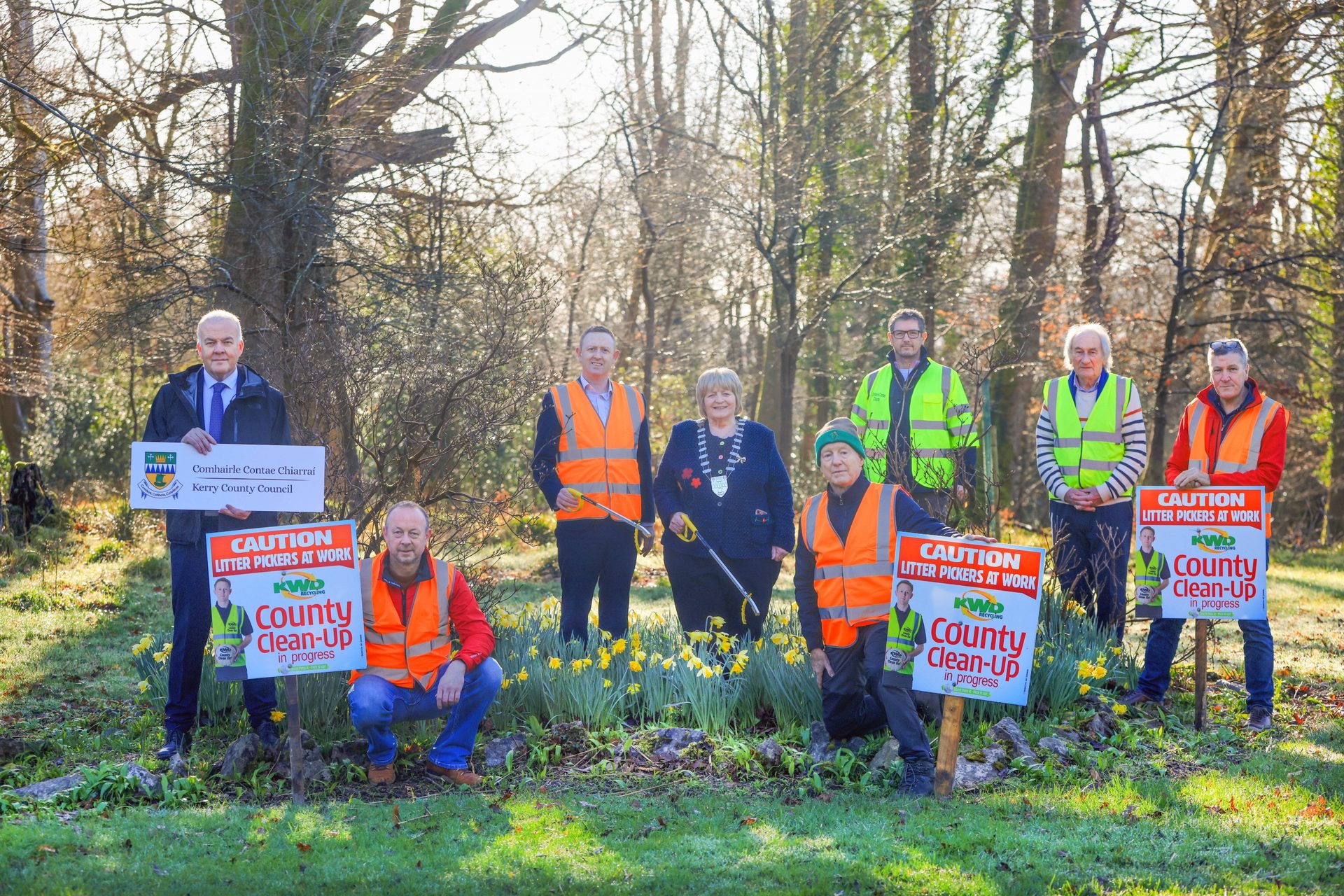
KWD Recycling shortlisted for national environmental awards
Killarney-based KWD Recycling has been announced as a finalist in the 2026 Repak Resource Awards, securing a spot on the national shortlist for environmental achievement.
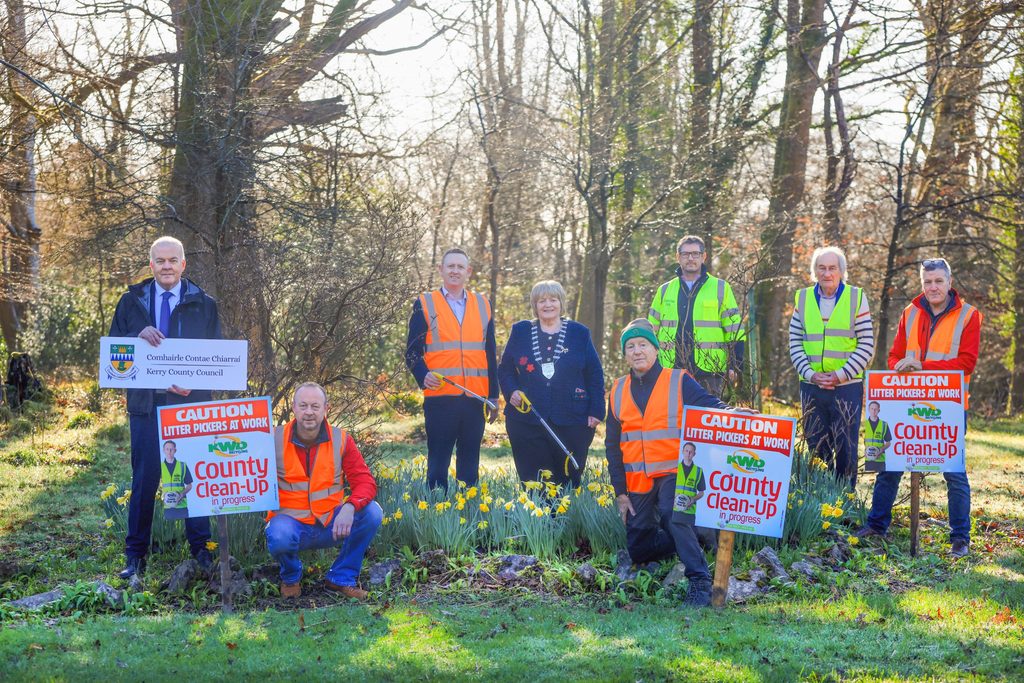
The local waste management company has been nominated in the Best Recovery Operator Innovation category, sponsored by DNV, for its state-of-the-art residual waste recovery system.
The Killarney facility utilizes optical sorting, screening, and mechanical processing to extract recyclable plastics and organic material from municipal waste. In its first year of operation, the technology recovered more than 10 per cent of plastic packaging from residual waste for recycling and diverted almost 50 per cent of organic material toward composting.
KWD Recycling will compete alongside Dublin operators Panda and Thorntons Recycling for the category title.
Repak CEO Zoe Kavanagh commended the Kerry firm for demonstrating environmental leadership and bringing local ambition to the national awards.
Category winners will be announced at a black-tie ceremony at the Mansion House in Dublin on Friday, October 23, where each winner will also compete for the Overall Repak Resource Award.
Local businesses have a strong track record at the national event, with Killarney town venue The Killarney Park and The Ross previously taking home the overall title in 2023.
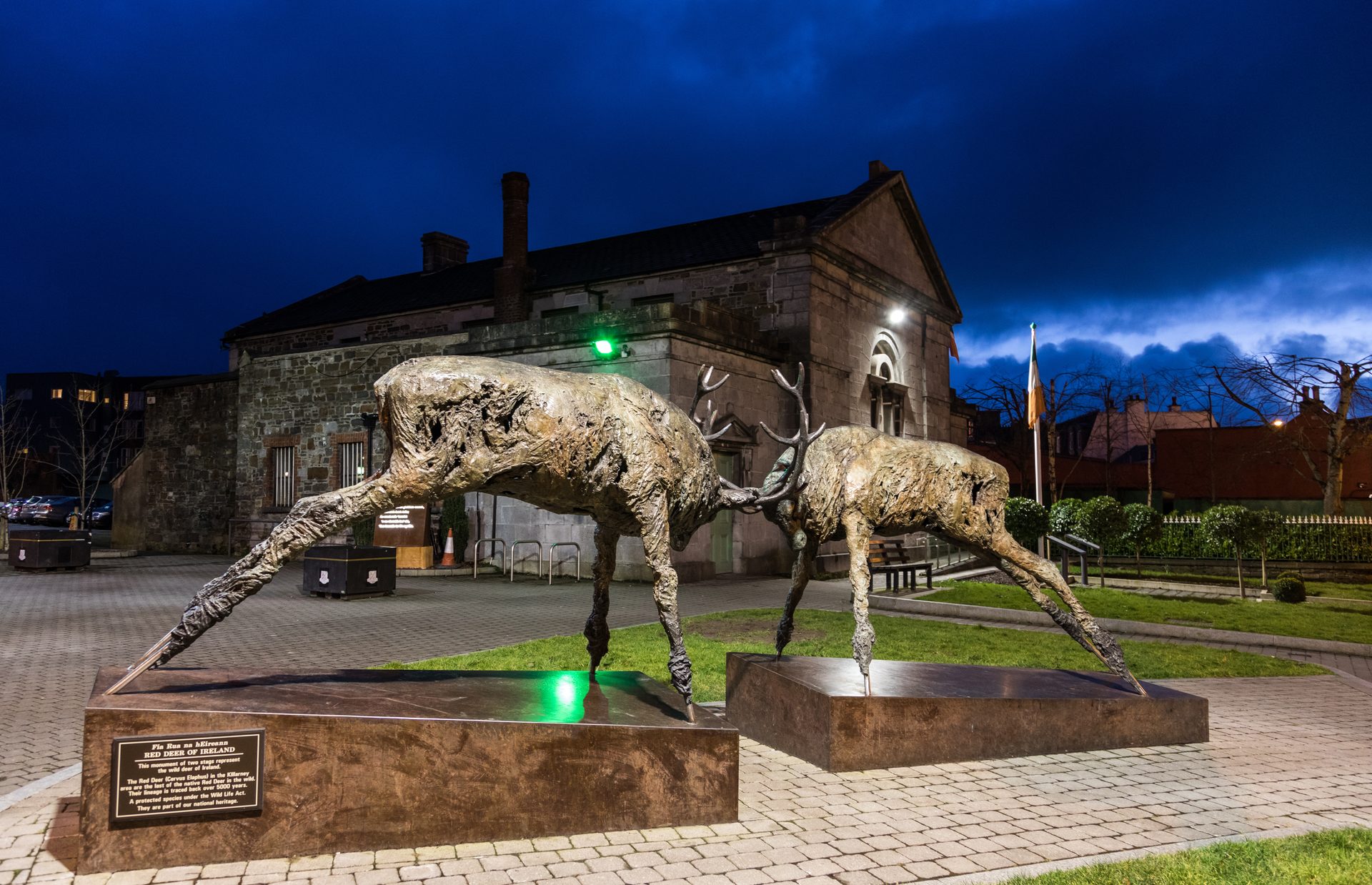
Drivers warned as deer rutting season begins
Motorists in Killarney are being urged to exercise extreme caution as the annual deer rutting season gets underway, causing animals to stray far beyond their usual habitats inside Killarney National Park.
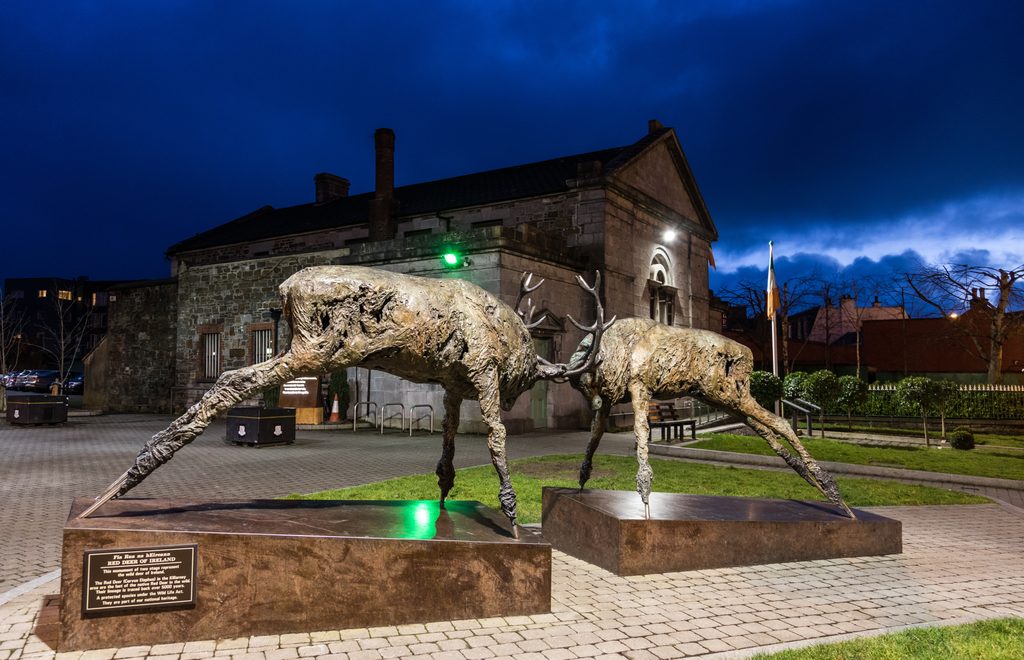
The autumn mating season sees deer becoming highly active and unpredictable, leading to increased sightings and collisions on local roads outside traditional park boundaries.
Two separate incidents highlighted the growing hazard on local routes this week. A reader contacted the Killarney Advertiser to warn drivers after spotting a deer roaming near Tiernaboul towards the school on Sunday afternoon around 7.30pm.
Later that same night, in the early hours of Monday morning, a local driver collided with a deer near Kerry Airport around 1am while returning home from an event.
Despite attempting evasive action, the motorist struck the animal, which died at the scene and temporarily blocked the road before local Gardaí were alerted to clear the obstruction.
The driver sustained substantial vehicle damage, requiring repairs to the bumper, headlamp, and internal components, leaving her facing significant garage costs and time off the road.
Gardaí and road safety advocates advise motorists travelLing during early morning and late evening and remain vigilant along tree-lined routes.
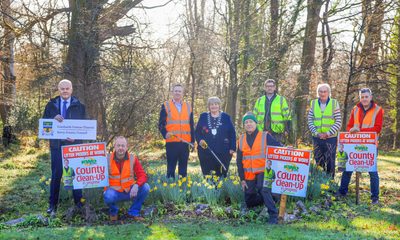

KWD Recycling shortlisted for national environmental awards
KWD Recycling shortlisted for national environmental awards Killarney-based KWD Recycling has been announced as a finalist in the 2026 Repak...
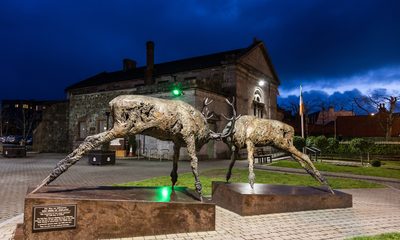

Drivers warned as deer rutting season begins
Drivers warned as deer rutting season begins Motorists in Killarney are being urged to exercise extreme caution as the annual...
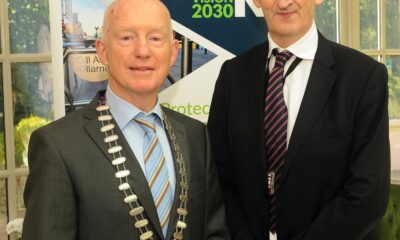

Kerry Airport CEO addresses chamber luncheon
Kerry Airport chief executive Adrian Neilan addressed local business leaders at the Killarney Chamber of Tourism and Commerce luncheon at...


The Brehon raises €2,850 for Jack and Jill Foundation
The Brehon Hotel and Spa raised €2,850 for the Jack and Jill Children’s Foundation after hosting a closest-to-the-pin golf simulator...
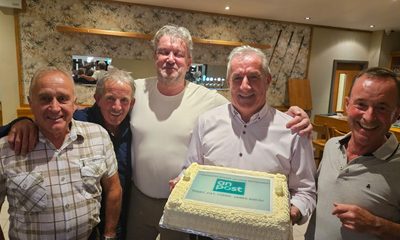

Five local postmen retire with 185 years service
Five local postmen retire with 185 years service RETIREMENT NIGHT: Pictured at the retirement party held at Killarney Racecourse on...


Fossa Swimmers make a splash at County Finals
The Fossa Swim team pictured at the Tralee Sports Complex following their successful outing at the County Finals of the...


On the Ball Part 2 of the Mikey Daly Interview
Éamonn Fitzgerald EF: Killarney Celtic are invited to participate in an Irish competition. That has big financial implications for travel,...


LUKE MANGAN recently caught up with Kerry FC’s manager, Colin Healy.
He spoke to him about his careers as a player and manager. Here’s how it went: When you began your...


Home cup tie for St Paul’s could be epic
Paudie O’Connor National Cup (Round 1) Utility Trust St Paul’s v GCU Brunell Saturday 7.30pm Killarney Sports and Leisure Centre...


Chances of Kerry v Cork Munster final in 2026 decrease as Munster GAA delay seeding plan
After facing a backlash from Limerick, Clare, Waterford and Tipperary players, Munster GAA have postponed their plan to keep Cork...
