
News
Train for longevity and to maintain functionality


When we talk about longevity, we are not just speaking on the quantity of life but also on the quality.
Longevity encompasses our ability to move functionally throughout our lifetime. Ideally, we would want to be 80-years-old and still doing triathlons and hitting PR's. At the very least, we want to maintain our independence in seemingly simple tasks like carrying shopping, getting on and off the toilet, and playing with our kids/grandkids. Below, we have highlighted some training principles that aid in longevity:
1. Strength training
There are many benefits to strength training at all stages of life. As we age, the development and maintenance of muscle mass become even more critical in counteracting illness, maintaining bone density, preventing falls, decreasing the rate of neuromuscular and balance deterioration, and improving overall well-being.
2. Avoid stress overload and overtraining
It is essential to consider that exercise is a stressor that is perceived by the body the same way as the other stressors in our life. These outside stressors (financial, professional, physical, emotional) tend to be present in more significant amounts in adults, as most people have greater responsibilities during adulthood than during adolescence. From a physical standpoint and also due to these psychological stressors, most people will not be able to sustain the same volumes of exercise at 50-years-old that they sustained as a 20-year-old athlete. Therefore, when training for longevity, the intensity and frequency of sessions must be gauged with this in mind.
3. Emphasise mobility/working range of motion through all joints
In addition to resistance training coupled with adequate recovery periods, mobility is an aspect of training that must be prioritised. Data has also shown that in terms of mobility, shoulder, trunk, and hip mobility, start to decline the most rapidly in the fourth and fifth decades of life. Because movement in these areas is critical for independence and functionality, mobility and strength through these areas must be emphasised and incorporated more heavily in training programmes as we age.
4. Focus in on the hips
Do movements, preferably loaded ones, that involve some sort of hip hinge. This will translate into simple tasks we don’t think about like getting up off the ground and going from seated to standing and vice versa. This movement is critical for effortless tasks like bending over to tie our shoes, so this “hip hinge” pattern of movement should be trained often to ensure functionality throughout our lifetimes. Movements like the deadlift, kettlebell swing, and good mornings are exercises that work the hip hinge and require little technicality, while also translating seamlessly into daily movement patterns outside of the gym.
5. Move things
Think: pushes, pulls, carries. These types of movements mimic the activities we do daily while simultaneously working midline stability (our core), muscular strength, and cardiovascular endurance. Farmers carry, prowler pushes, and sled work are great examples of these movements.
Moving things from Point A to Point B is arguably one of most valuable indicators of functional movement and health, so training this in the gym is a valuable asset in terms of longevity. Think about walking: this is simple displacement but it is one of the first things to deteriorate as we age. Studies have shown that 31.7% of adults over the age of 65 report difficulty in walking over a kilometre.
Key takeaway:
At a certain point, when our life goals shift away from being a competitive or sport specific athlete, our training goals must also shift. Training for longevity is a direction in which we can shift our focus so that we can maintain functionality and quality of life as we age. Programming should include displacement under loads (just think pushing, pulling, or carrying heavy things as we move), coupled with strength and mobility work, especially through the hips. These training patterns, with the help of sufficient recovery time, will assist in our fluidity of movement as we age, and will increase the likelihood of us continuing to live a full and quality life when we are 80+ years-old.
Activate runs a twice weekly ActivateMasters programme which pays particular attention to strength training for longevity. Visit www.activate.ie to find out more.

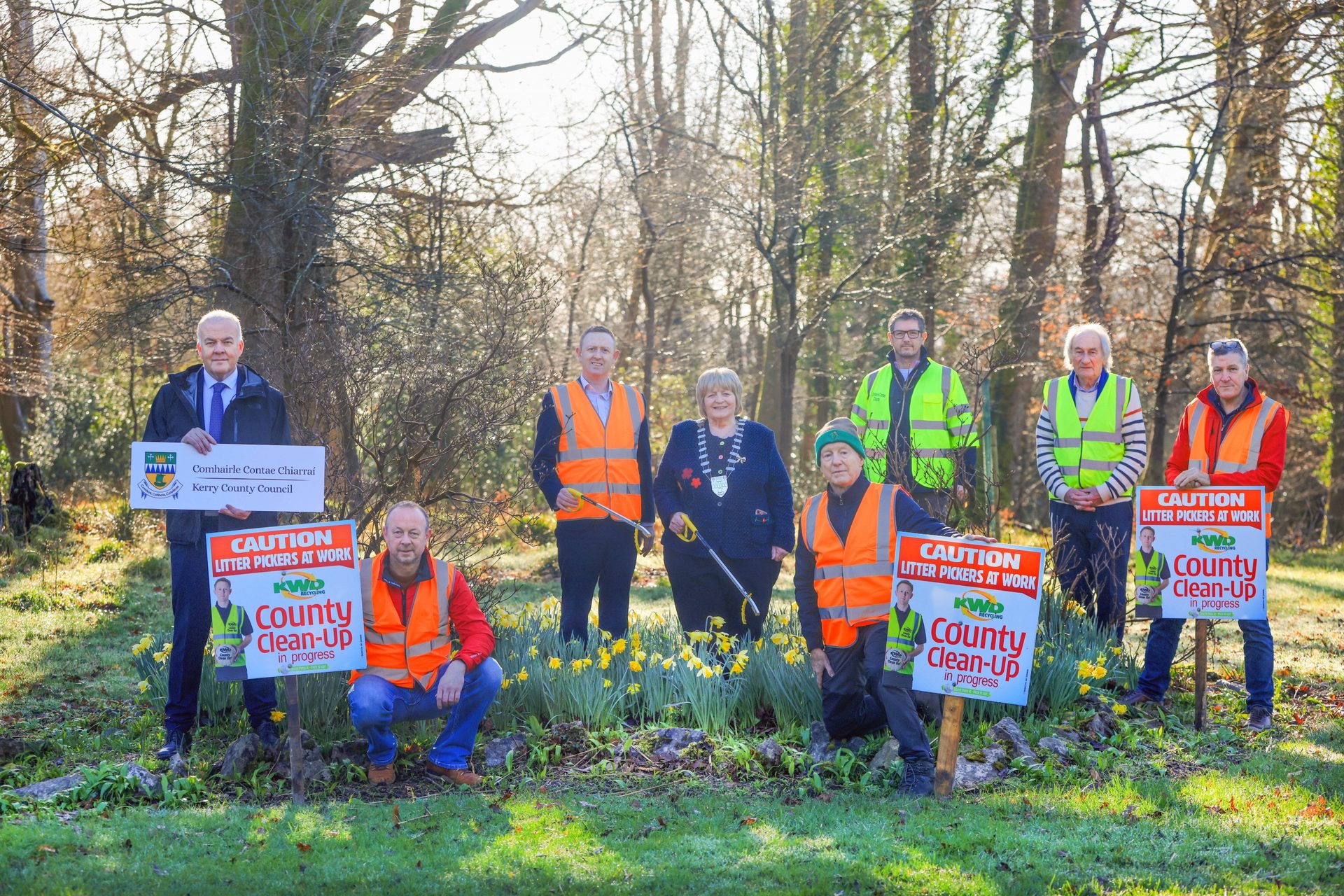
KWD Recycling shortlisted for national environmental awards
Killarney-based KWD Recycling has been announced as a finalist in the 2026 Repak Resource Awards, securing a spot on the national shortlist for environmental achievement.
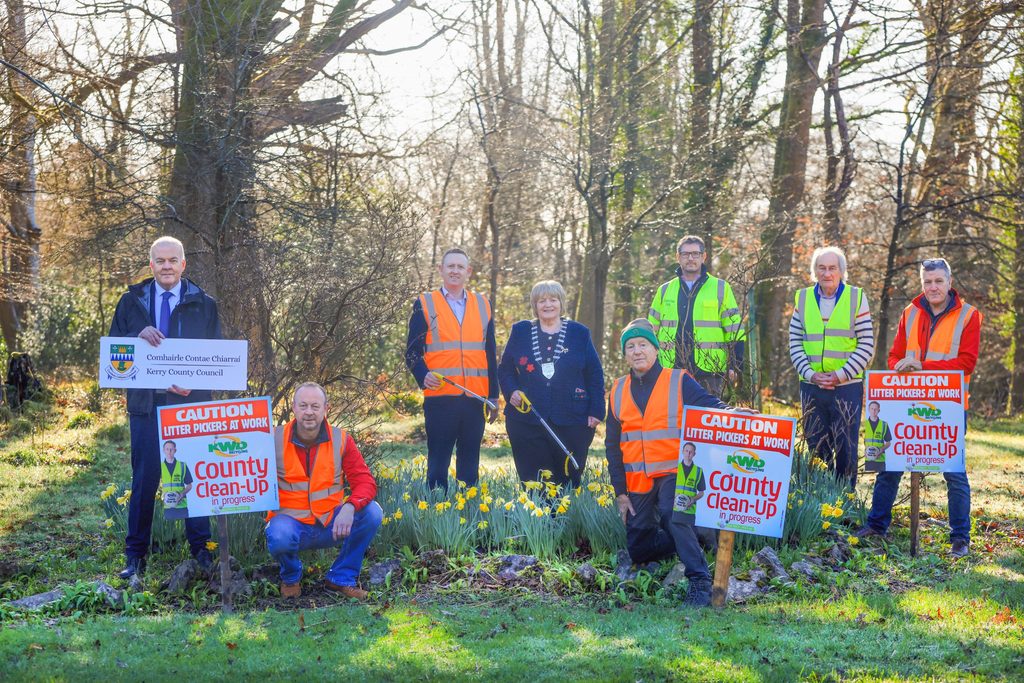
The local waste management company has been nominated in the Best Recovery Operator Innovation category, sponsored by DNV, for its state-of-the-art residual waste recovery system.
The Killarney facility utilizes optical sorting, screening, and mechanical processing to extract recyclable plastics and organic material from municipal waste. In its first year of operation, the technology recovered more than 10 per cent of plastic packaging from residual waste for recycling and diverted almost 50 per cent of organic material toward composting.
KWD Recycling will compete alongside Dublin operators Panda and Thorntons Recycling for the category title.
Repak CEO Zoe Kavanagh commended the Kerry firm for demonstrating environmental leadership and bringing local ambition to the national awards.
Category winners will be announced at a black-tie ceremony at the Mansion House in Dublin on Friday, October 23, where each winner will also compete for the Overall Repak Resource Award.
Local businesses have a strong track record at the national event, with Killarney town venue The Killarney Park and The Ross previously taking home the overall title in 2023.
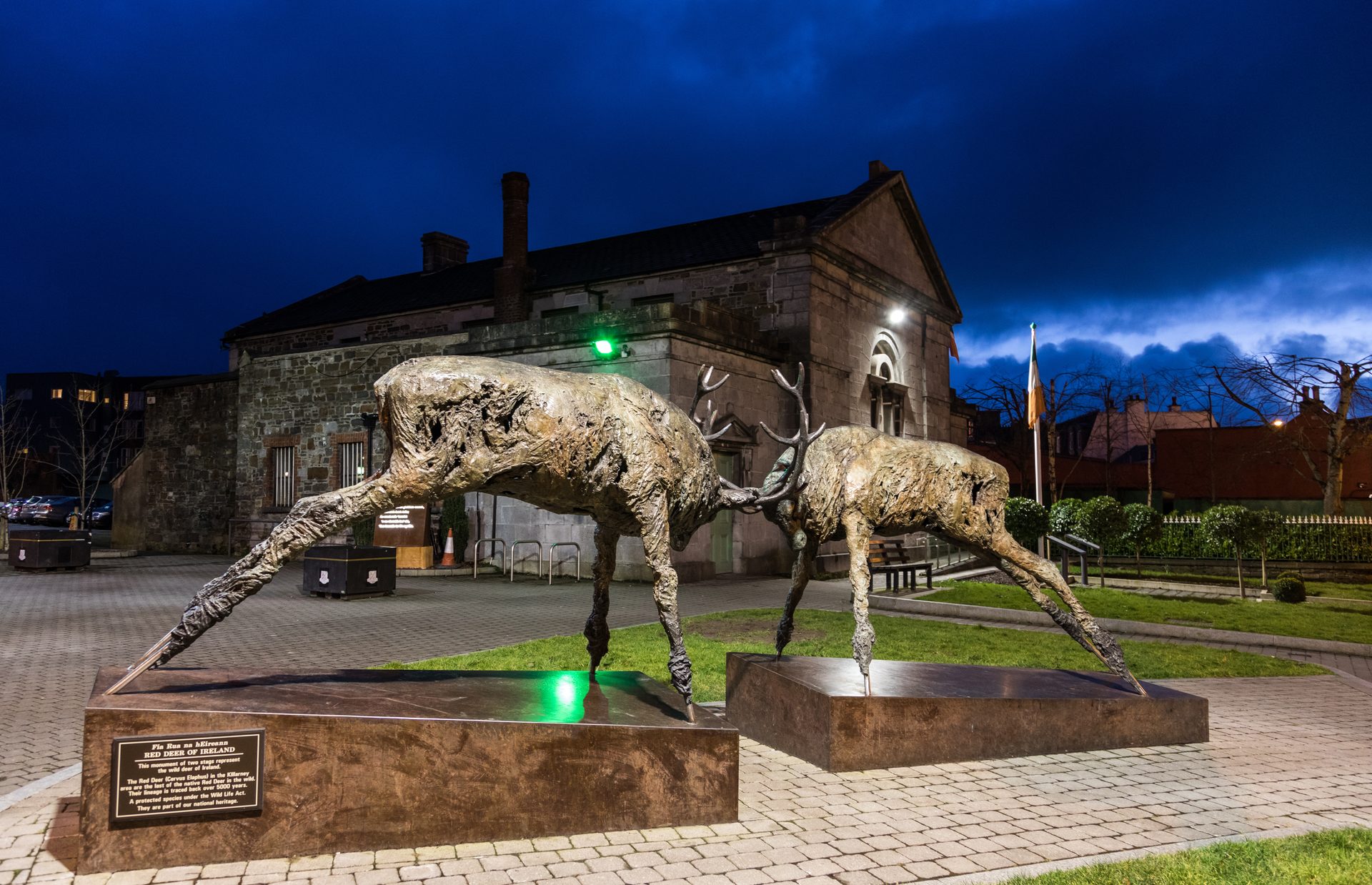
Drivers warned as deer rutting season begins
Motorists in Killarney are being urged to exercise extreme caution as the annual deer rutting season gets underway, causing animals to stray far beyond their usual habitats inside Killarney National Park.
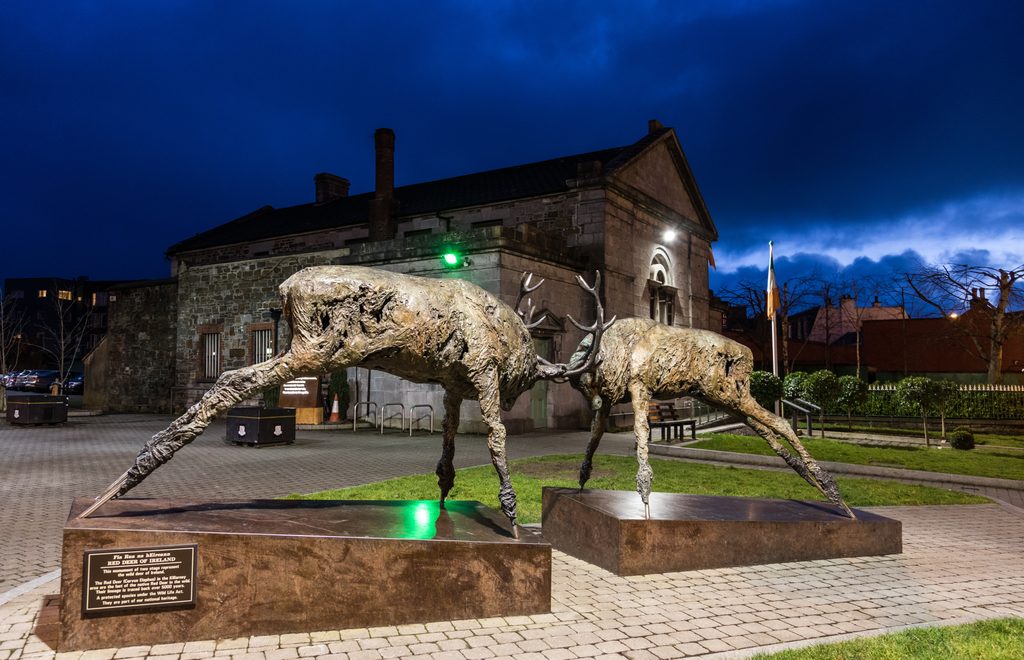
The autumn mating season sees deer becoming highly active and unpredictable, leading to increased sightings and collisions on local roads outside traditional park boundaries.
Two separate incidents highlighted the growing hazard on local routes this week. A reader contacted the Killarney Advertiser to warn drivers after spotting a deer roaming near Tiernaboul towards the school on Sunday afternoon around 7.30pm.
Later that same night, in the early hours of Monday morning, a local driver collided with a deer near Kerry Airport around 1am while returning home from an event.
Despite attempting evasive action, the motorist struck the animal, which died at the scene and temporarily blocked the road before local Gardaí were alerted to clear the obstruction.
The driver sustained substantial vehicle damage, requiring repairs to the bumper, headlamp, and internal components, leaving her facing significant garage costs and time off the road.
Gardaí and road safety advocates advise motorists travelLing during early morning and late evening and remain vigilant along tree-lined routes.
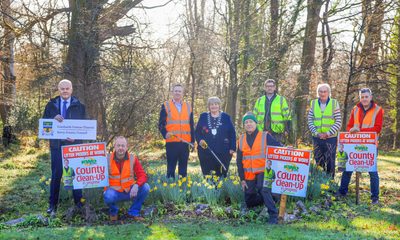

KWD Recycling shortlisted for national environmental awards
KWD Recycling shortlisted for national environmental awards Killarney-based KWD Recycling has been announced as a finalist in the 2026 Repak...
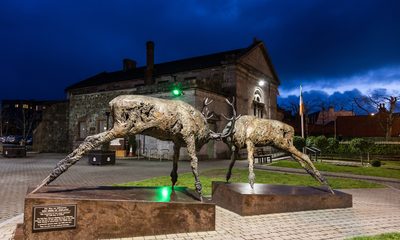

Drivers warned as deer rutting season begins
Drivers warned as deer rutting season begins Motorists in Killarney are being urged to exercise extreme caution as the annual...

Kerry Airport CEO addresses chamber luncheon
Kerry Airport chief executive Adrian Neilan addressed local business leaders at the Killarney Chamber of Tourism and Commerce luncheon at...
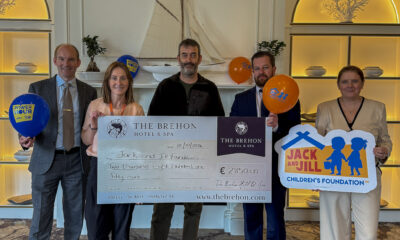

The Brehon raises €2,850 for Jack and Jill Foundation
The Brehon Hotel and Spa raised €2,850 for the Jack and Jill Children’s Foundation after hosting a closest-to-the-pin golf simulator...
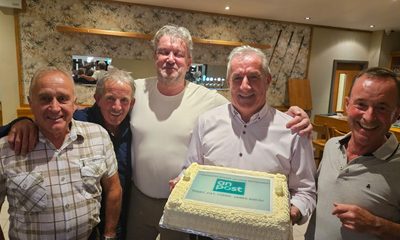

Five local postmen retire with 185 years service
Five local postmen retire with 185 years service RETIREMENT NIGHT: Pictured at the retirement party held at Killarney Racecourse on...
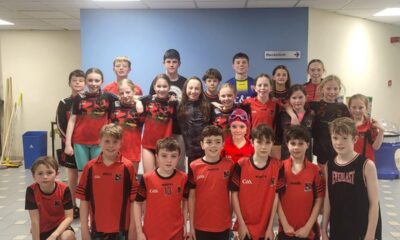

Fossa Swimmers make a splash at County Finals
The Fossa Swim team pictured at the Tralee Sports Complex following their successful outing at the County Finals of the...
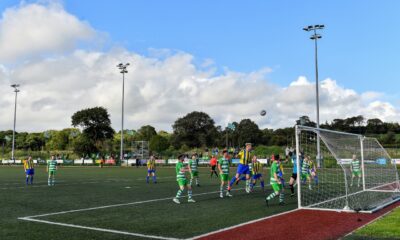

On the Ball Part 2 of the Mikey Daly Interview
Éamonn Fitzgerald EF: Killarney Celtic are invited to participate in an Irish competition. That has big financial implications for travel,...
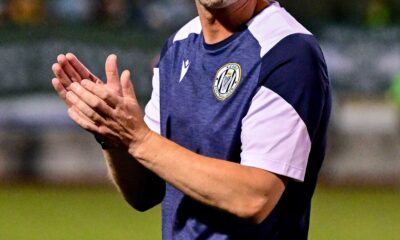

LUKE MANGAN recently caught up with Kerry FC’s manager, Colin Healy.
He spoke to him about his careers as a player and manager. Here’s how it went: When you began your...


Home cup tie for St Paul’s could be epic
Paudie O’Connor National Cup (Round 1) Utility Trust St Paul’s v GCU Brunell Saturday 7.30pm Killarney Sports and Leisure Centre...


Chances of Kerry v Cork Munster final in 2026 decrease as Munster GAA delay seeding plan
After facing a backlash from Limerick, Clare, Waterford and Tipperary players, Munster GAA have postponed their plan to keep Cork...
