
Sport
The Golden Years (Part 5): How Micko rebuilt Kerry after the heartbreak of ’82


In the fifth and final part of our Golden Years series, Adam Moynihan reflects on Kerry’s infamous defeat to Offaly in 1982 and how their leader stayed on to build a new team of champions.
Losing to Offaly in the All-Ireland football final of 1982 will (hopefully) always be the most heartbreaking moment in the history of Kerry football. Whether you were there or not, losing an unprecedented five-in-a-row in such traumatic circumstances still stings 38 years later, and will likely sting forevermore.
“I think of it at least once a week,” Mick O’Dwyer admitted in the terrific RTÉ documentary 'Micko', which charmed viewers in 2018. “It’s still implanted in my mind.”
Kerry’s manager was distraught at the final whistle and the loss sent him into a state of depression. He agonised over the outcome for months, spending his days rewatching the tape and forensically analysing what had gone wrong.
“One could not help but notice how badly he looked, his face drawn and haggard, his voice trailing away at the end of sentences that were left unfinished,” his biographer, Owen McCrohan, recalled. “To all outward manifestations, here was a broken man.”
In the winter of 1982, O’Dwyer decided privately that his time at the helm was up. He would step down in the New Year. The Kerry Dynasty, already reeling, was now on the brink of collapse.
ONE MORE SHOT
Fortunately for Kerry, Micko’s ambition and love for the game gradually returned and by the springtime he had resolved to give it one more shot. Unfortunately for Kerry, more despair was to follow.
In the Munster final of 1983, The Kingdom were gunning for an unprecedented ninth provincial title in a row. Incredibly, just like the Offaly game, a last-minute goal by Cork’s Tadhg Murphy snatched a historic victory from Kerry’s clutches. The Rebels won by a single point.
Now the knives were really out for O’Dwyer, but more concerning for Micko was the fact that some of his players appeared to be totally burned out. “Ger Power, Mikey Sheehy and John Egan were completely out of it when Cork beat us in ’83,” O’Dwyer later told McCrohan. “Ogie Moran was going through a bad patch. John O’Keeffe, Tim Kennelly, Ger O’Keeffe and Paudie Lynch were coming to the end of the road. We needed replacements and we needed them quickly.”
Ger Lynch, Ambrose O’Donovan, Timmy O’Dowd, Willie Maher and John Kennedy were duly drafted in and the return from serious injury of key forward Pat Spillane was a massive boost.
After the disappointment of 1982 and 1983, O’Dwyer worked wonders in lighting a fire under his key players for the 1984 season and the results were immediate. Kerry won the National League by defeating Galway in Limerick and they made light work of the Munster Championship as they hammered Tipperary before beating Cork by seven points in the final.
A handy victory over Galway in the All-Ireland semi-final followed and now the old foe, Dublin, stood between O’Dwyer’s charges and a return to the mountain top.
Writing in The RTÉ Guide in the days leading up to the centenary final, Paul Desmond questioned Kerry’s chances: “Their current team is neither a settled side nor one full of potential – it is a cowardly blend of experienced players, has-beens and a few newcomers.”
On the train up to Dublin, County Board Treasurer Murt Galvin pulled out the article in question. The players were not one bit amused and were determined to show their detractors what they were made of.
In his pre-game speech, O’Dwyer called on his players to do it for a fallen comrade. “I want ye to win this one for Kerry and for me and for Mikey Sheehy!” Kerry’s star forward had gone down with a bad injury eight days before the final and was unavailable for selection.
With their trainer’s words ringing in their ears, Kerry flew out of the traps and after a dominant display they emerged victorious with plenty to spare (0-14 to 1-6). After a brief hiatus, the kings were back.
SPONSORSHIP
And O’Dwyer wasn’t finished yet. The Waterville maestro led Kerry back to the All-Ireland again in 1985 where once again Dublin were the opposition.
The latest instalment of the game’s greatest rivalry should have been enough to keep everyone entertained but, remarkably, all the talk the morning of the final was about a washing machine.
Kerry had struck a sponsorship deal with washing machine manufacturer Bendix in the run-up to the decider. On All-Ireland final day, Bendix published a full-page ad in the national papers that caused quite a stir.
“They arrived into Tralee from Dublin with a van with a washing machine in it," O'Dwyer explained.
"They brought it into the dressing room and when we finished training, players put their jerseys into the washing machine and that was the photograph that was in the paper the following day. They were all standing around half-clothed.
“We got something in the region of €15,000. That was the start of sponsorship by the counties. Croke Park were going on over that as well but I didn’t give a damn.”
Unperturbed by the furore their bare chests and controversial deal had caused, Kerry powered to a memorable 2-12 to 2-8 win.
BORROWED TIME
Speculation about O’Dwyer’s imminent retirement was widespread but ultimately unfounded. “I knew most of us were living on borrowed time but the experience of coming back with a blend of old and new players brought a marvelous feeling of fulfillment. It was like a drug. Once we had put Dublin behind us in ’85, I think everyone decided to keep at it. Winning three-in-a-row became the new target.”
It was a target they would reach by beating Tyrone in 1986 and although dreams of another four-in-a-row, and possibly the elusive five, kept O’Dwyer motivated thereafter, it would prove a bridge too far for his ageing stars.
Three successive defeats to Cork in the Munster final followed before the great man stepped aside. In the end, he readily admitted that he should have done so after ’86, but a few bad defeats could not detract from his legacy.
He took over for a year in 1975 and ended up putting together the greatest team in the history of the GAA. Micko, more than anyone, was responsible for Kerry’s Golden Years, and for that we owe him a huge debt of gratitude.
Mick O'Dwyer's Record as Kerry Manager
Years in charge 15 (1975-1989)
Games 55 (Won 43, Lost 7, Drew 5)
Win Percentage 78%
League Titles 3
Munster Titles 11
All-Ireland Finals 10
All-Ireland Titles 8
News
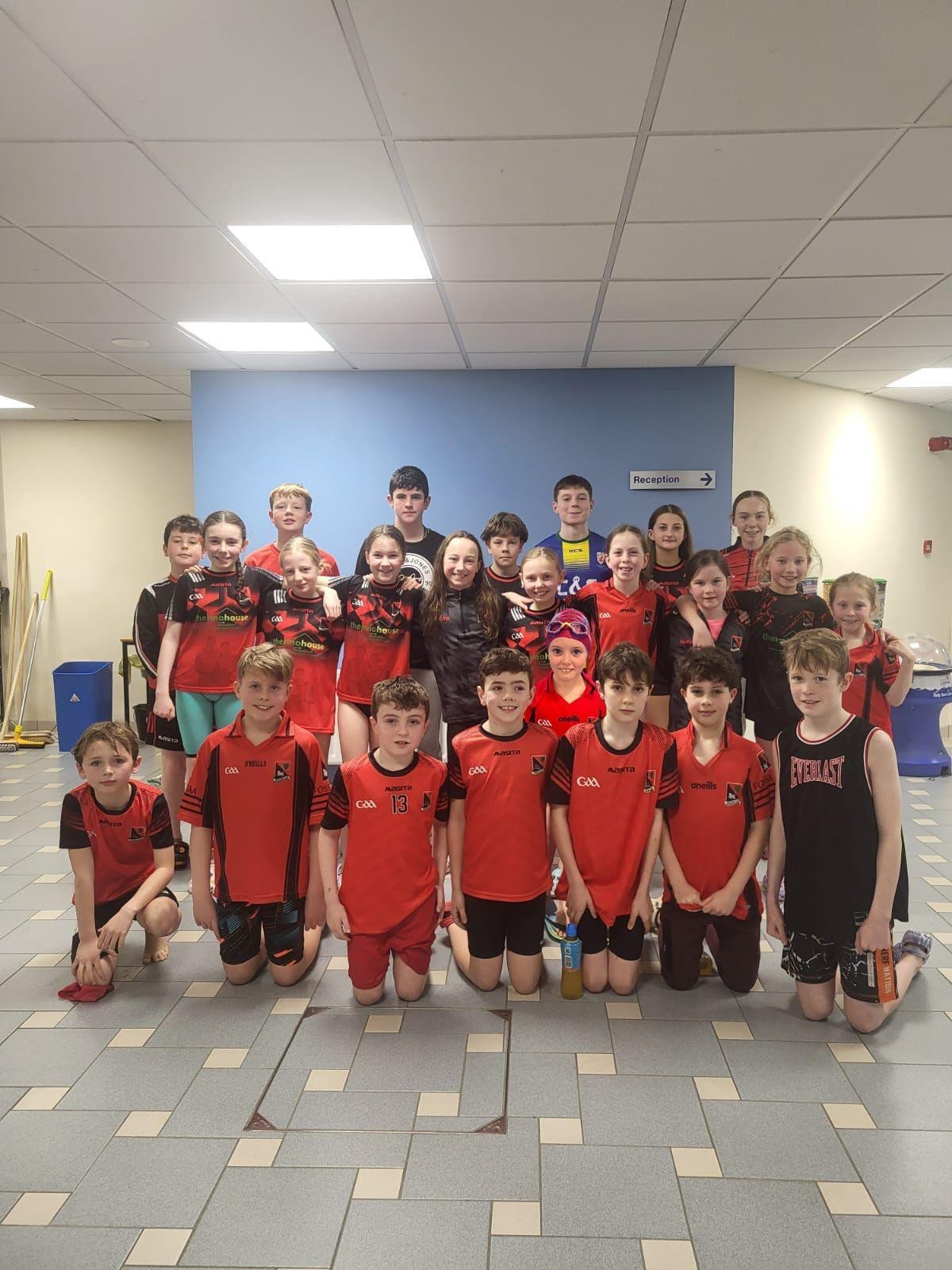
Fossa Swimmers make a splash at County Finals
The Fossa Swim team pictured at the Tralee Sports Complex following their successful outing at the County Finals of the Community Games on Sunday, February 15. The 25-strong squad delivered […]

News
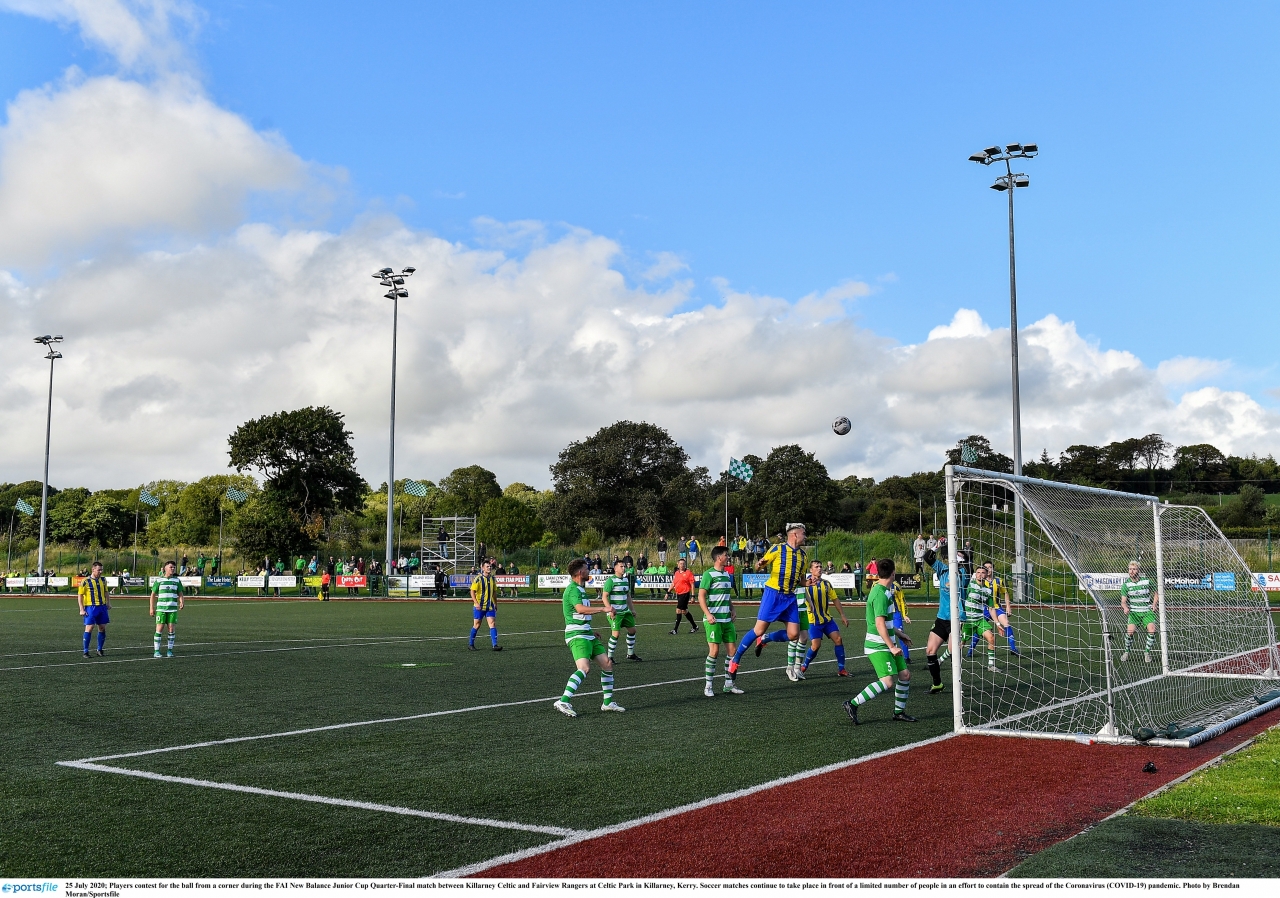
On the Ball Part 2 of the Mikey Daly Interview
Éamonn Fitzgerald EF: Killarney Celtic are invited to participate in an Irish competition. That has big financial implications for travel, meals, etc. MD: It is great to be invited, showing […]

KWD Recycling shortlisted for national environmental awards
KWD Recycling shortlisted for national environmental awards Killarney-based KWD Recycling has been announced as a finalist in the 2026 Repak...

Drivers warned as deer rutting season begins
Drivers warned as deer rutting season begins Motorists in Killarney are being urged to exercise extreme caution as the annual...

Kerry Airport CEO addresses chamber luncheon
Kerry Airport chief executive Adrian Neilan addressed local business leaders at the Killarney Chamber of Tourism and Commerce luncheon at...

The Brehon raises €2,850 for Jack and Jill Foundation
The Brehon Hotel and Spa raised €2,850 for the Jack and Jill Children’s Foundation after hosting a closest-to-the-pin golf simulator...

Five local postmen retire with 185 years service
Five local postmen retire with 185 years service RETIREMENT NIGHT: Pictured at the retirement party held at Killarney Racecourse on...
