News
Youthreach education project to open in Killarney

OPENING: Killarney Youthreach has opened in a new purpose built premises. Resource worker Majella Hegarty and coordinator John Adams will welcome students from next week. Photo: Sean Moriarty
By Sean Moriarty
Killarney Youthreach has opened a new purpose built premises to the rear of 50 High Street in the town centre.
Killarney Youthreach, run by the Kerry Education and Training Board (KETB), offers early school leavers aged 15 to 20 a chance to gain qualifications and develop skills to further their education and employment prospects.
It was previously operated by Kerry Diocesan Youth Service but will now come under the umbrella of the Kerry ETB.
This new state-of-the-art centre for education is headed up by John Adams and his team of education professionals.
Staff moved in this week and they are expecting their first students early next week.
“We offer two main courses, Quality and Qualifications Ireland (QQI) Level 3 (NQF Junior Cert equivalent) and QQI Level 4 (NQF pass Leaving Cert equivalent),” John Adams told the Killarney Advertiser.
“Each course has a range of subjects including computers, maths, communications, biology, interpersonal skills and art.”
Killarney Youthreach also offers work experience, sports, outdoor activities, personal development, as well as CV and interview preparation.
Youthreach is co-funded by the Government of Ireland, the European Social Fund and the Youth Employment Initiative as part of the ESF Programme for Employability, Inclusion and Learning 2014-20.
A training allowance is provided and those interested in joining can contact 064 663 2559.

LOCAL GOLD: Terrie O’Shea, founder and owner of Killarney-based business Sorella Berries, celebrating her Gold award win at the Blas na hÉireann Irish Food Awards held in Dingle last week. Her hand-crafted chocolate covered strawberries secured the top spot in national competition, earning recognition for the local food producer on the national stage.

LOCAL GOLD:
LOCAL GOLD: Terrie O’Shea, founder and owner of Killarney-based business Sorella Berries, celebrating her Gold award win at the Blas...

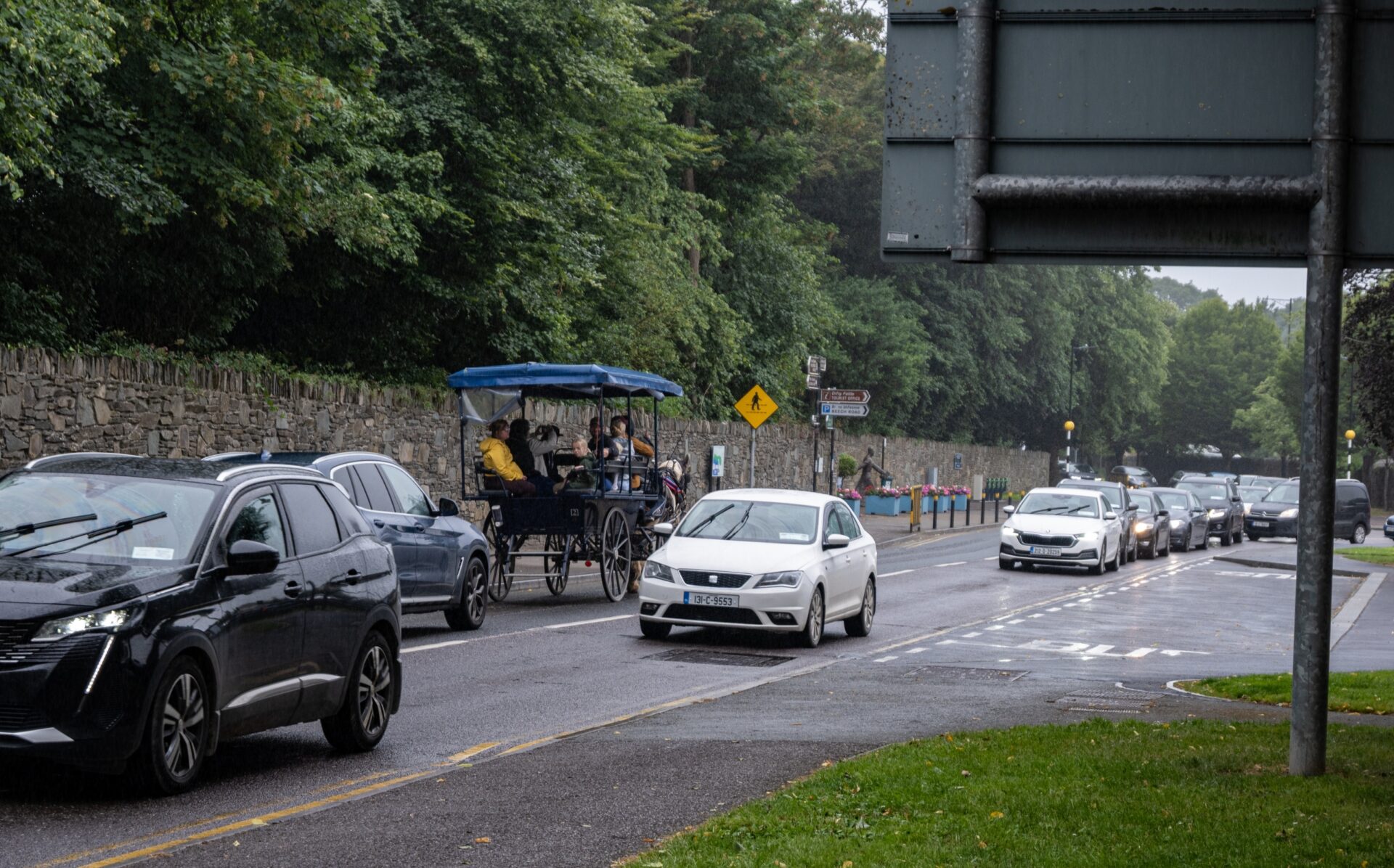
Grady demands Killarney traffic review
Killarney councillor Martin Grady has called for an urgent review of traffic management across the town following severe delays along...

Killarney Pumpkin Farm returns for Halloween
The annual event is in its sixth year and caters to people of all ages. The farm is located in...


Killarney Toastmasters host special open night
Killarney Toastmasters is inviting members of the local community to an open night at the Dromhall Hotel on Muckross Road...

Killarney hotels achieve top global rankings in Readers’ Choice Awards
Killarney hotels achieve top global rankings in Readers’ Choice Awards Two leading Killarney hotels are celebrating major international accolades following...
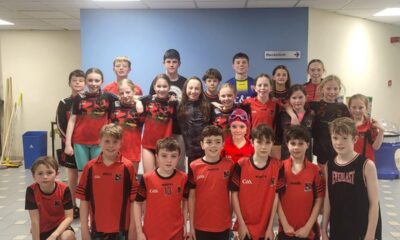

Fossa Swimmers make a splash at County Finals
The Fossa Swim team pictured at the Tralee Sports Complex following their successful outing at the County Finals of the...

On the Ball Part 2 of the Mikey Daly Interview
Éamonn Fitzgerald EF: Killarney Celtic are invited to participate in an Irish competition. That has big financial implications for travel,...


LUKE MANGAN recently caught up with Kerry FC’s manager, Colin Healy.
He spoke to him about his careers as a player and manager. Here’s how it went: When you began your...


Home cup tie for St Paul’s could be epic
Paudie O’Connor National Cup (Round 1) Utility Trust St Paul’s v GCU Brunell Saturday 7.30pm Killarney Sports and Leisure Centre...


Chances of Kerry v Cork Munster final in 2026 decrease as Munster GAA delay seeding plan
After facing a backlash from Limerick, Clare, Waterford and Tipperary players, Munster GAA have postponed their plan to keep Cork...