News
Students share stage with The Coronas Danny O’Reilly

CONCERT: Saoirse O'Connor, Oisn O'Connor, Liam O'Connor, Danny O'Reilly, Tony Fitzgibbon and Derek O'Connor backstage before the gig in St Brendan's College. Pic: Dylan Clifford.
By Sean Moriarty
Coronas lead singer Danny O’Reilly was blown away by the acoustics at St Brendan’s Chapel following his appearance at The Sem’s annual concert on Tuesday night.
O’Reilly was one of the guests of honour at the annual performance which is organised by local music legend Liam O’Connor and the school’s music teachers Mish O’Donoghue and Niamh O’Connell.
The concert featured performances from students including the school choir and the group that made it to the Britain’s Got Talent auditions in the UK earlier this year.
“Danny was outstanding, such a beautiful voice,” Mish said. “He was blown away by the venue and said it was a fabulous place. It was a fantastic experience for the boys, not many teenagers can say they performed on-stage with someone like Danny O’Reilly.”
The group that made it to Britain’s Got Talent opened the show with a four-song performance including their signature tune, ‘The Parting Glass’ which leads into ‘Step It Out Mary’.
After the interval, the school choir took the stage, a highlight being their performance of ‘Giant’, by artists Calvin Harris and Rag’n’Bone Man.
“All of the boys performed very well and it is impossible to pick out a standout moment,” added Mish, who has been organising the concerts for the last six years. “The boys who went to BGT showed exactly why they made it to England.”
As well as music performances, former students and local celebrities spoke, including former Irish and Munster rugby hero Tony Buckley, who talked about his battle with depression.
“Tony’s talk about how he coped with mental illness really resonated with many people who were there,” Mish said.

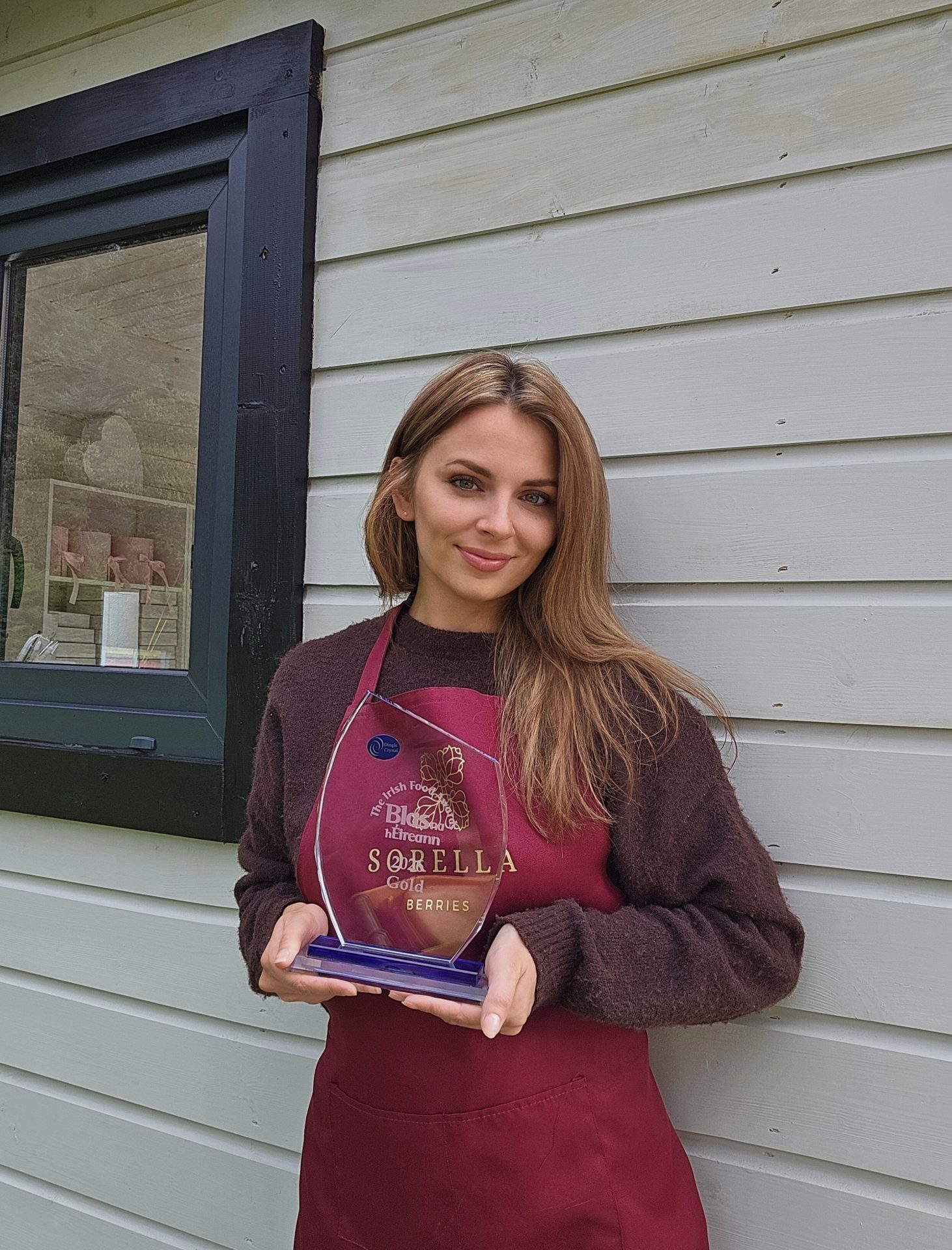
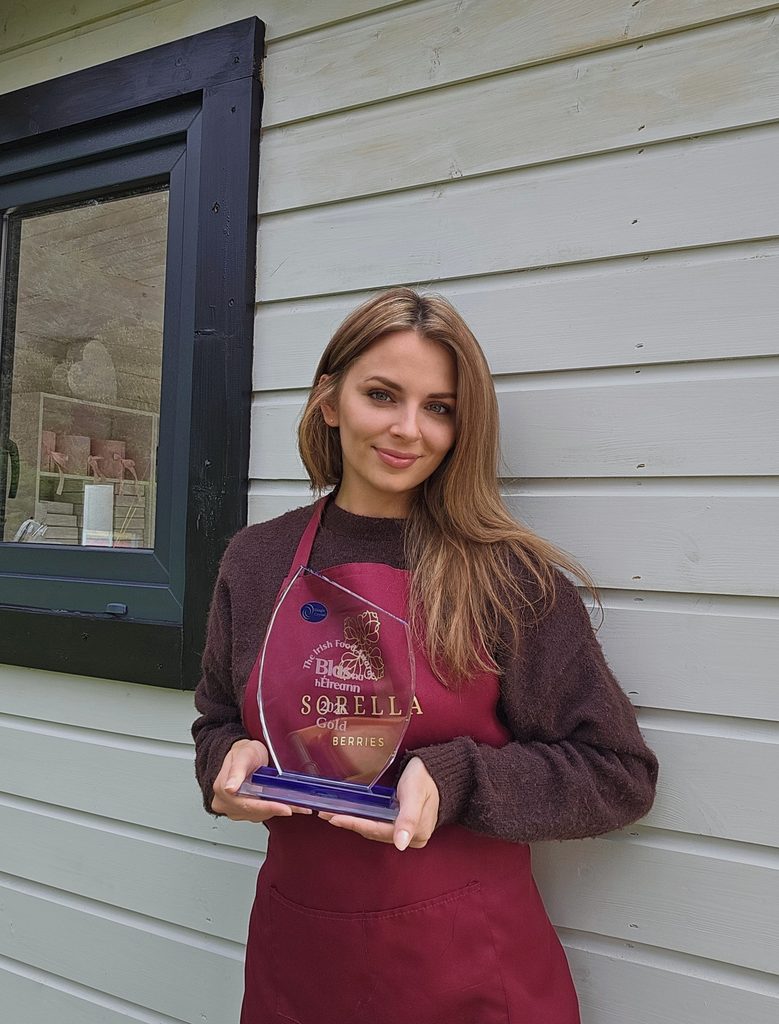
LOCAL GOLD: Terrie O’Shea, founder and owner of Killarney-based business Sorella Berries, celebrating her Gold award win at the Blas na hÉireann Irish Food Awards held in Dingle last week. Her hand-crafted chocolate covered strawberries secured the top spot in national competition, earning recognition for the local food producer on the national stage.
LOCAL GOLD:
LOCAL GOLD: Terrie O’Shea, founder and owner of Killarney-based business Sorella Berries, celebrating her Gold award win at the Blas...

Grady demands Killarney traffic review
Killarney councillor Martin Grady has called for an urgent review of traffic management across the town following severe delays along...
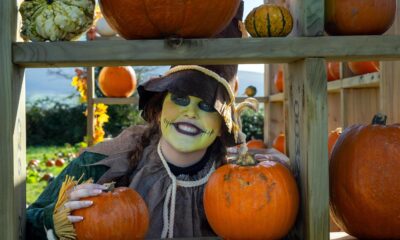

Killarney Pumpkin Farm returns for Halloween
The annual event is in its sixth year and caters to people of all ages. The farm is located in...


Killarney Toastmasters host special open night
Killarney Toastmasters is inviting members of the local community to an open night at the Dromhall Hotel on Muckross Road...
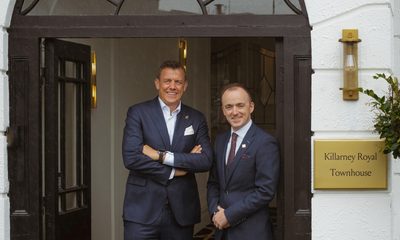

Killarney hotels achieve top global rankings in Readers’ Choice Awards
Killarney hotels achieve top global rankings in Readers’ Choice Awards Two leading Killarney hotels are celebrating major international accolades following...
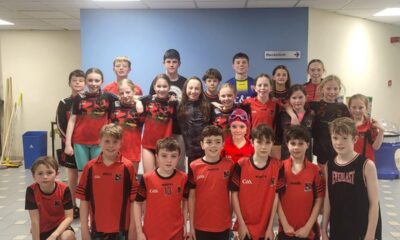

Fossa Swimmers make a splash at County Finals
The Fossa Swim team pictured at the Tralee Sports Complex following their successful outing at the County Finals of the...

On the Ball Part 2 of the Mikey Daly Interview
Éamonn Fitzgerald EF: Killarney Celtic are invited to participate in an Irish competition. That has big financial implications for travel,...

LUKE MANGAN recently caught up with Kerry FC’s manager, Colin Healy.
He spoke to him about his careers as a player and manager. Here’s how it went: When you began your...

Home cup tie for St Paul’s could be epic
Paudie O’Connor National Cup (Round 1) Utility Trust St Paul’s v GCU Brunell Saturday 7.30pm Killarney Sports and Leisure Centre...


Chances of Kerry v Cork Munster final in 2026 decrease as Munster GAA delay seeding plan
After facing a backlash from Limerick, Clare, Waterford and Tipperary players, Munster GAA have postponed their plan to keep Cork...