
News
Kerry woman lends voice to Alzheimer campaign

A
A Kerry woman is this week calling on the Government to wake up and listen to family carers in rural Ireland - who are feeling lost and isolated.
Jane O’Sullivan from Ballyfinnane cares for her husband Donie, who was diagnosed with Alzheimers disease four years ago.
This week Jane, who lives between Killarney and Tralee, added her voice to a campaign by the Alzheimer Society of Ireland (ASI) calling on the Government to make ‘dementia a key priority’.
Last week, carers from all over Ireland attended the Emergency Dementia Summit (EDS) in Dublin, calling on the Minister for Health Simon Harris and Minister for Older People Jim Daly to make good on their public statements that ‘dementia is a key priority’ by directing urgently needed funds to dementia-specific services, in the 2019 HSE National Service Plan, which is to be announced shortly.
ASI say that in Budget 2019, the Government has yet again ignored the shameful fact that people living with dementia in Ireland are being deprived of a basic minimum standard of care, as evidenced by the recent mapping of dementia services undertaken by the ASI in conjunction with the HSE.
This week, Jane, who worked in Killarney for many years, told the Killarney Advertiser that there are over 4,000 carers in Kerry and not only are they being forgotten about - but also feel isolated caring for loved ones at home alone - as there are no proper resources available.
“It’s a 24/7 job,” Jane said.
“And it’s quite lonely. You’re whole life changes, you’re isolated and your freedom is limited – that’s one of the hardest things.”
Jane relies on private care when she has an appointment as the couple’s five children live away.
Recently a close family member passed away in Australia, but sadly Jane couldn’t travel, explaining that the cost of a private carer while away would have been too much.
She says there is only one service for Alzheimers patients in Kerry, The Rosemary Day Centre in Tralee, but ideally she says there should be more.
“Something as simple as having an Alzheimers Café that patients could interact with others like them. It’s little things like that.”
Also, she added that there should be more resources available to help the carers care for a loved one.
“I would like more funding to be available in the county for more services.
“52 services are needed in Kerry and currently in Kerry there’s only six. The Government has to realise that the problem is bigger than they think.”
The Alzheimers Society of Ireland said they will not stop advocating on behalf of all the people and families facing a dementia diagnosis.
Helpline: The Alzheimer Society of Ireland National Helpline is open six days a week Monday to Friday 10am–5pm and Saturday 10am–4pm on 1800 341 341.




Grady demands Killarney traffic review
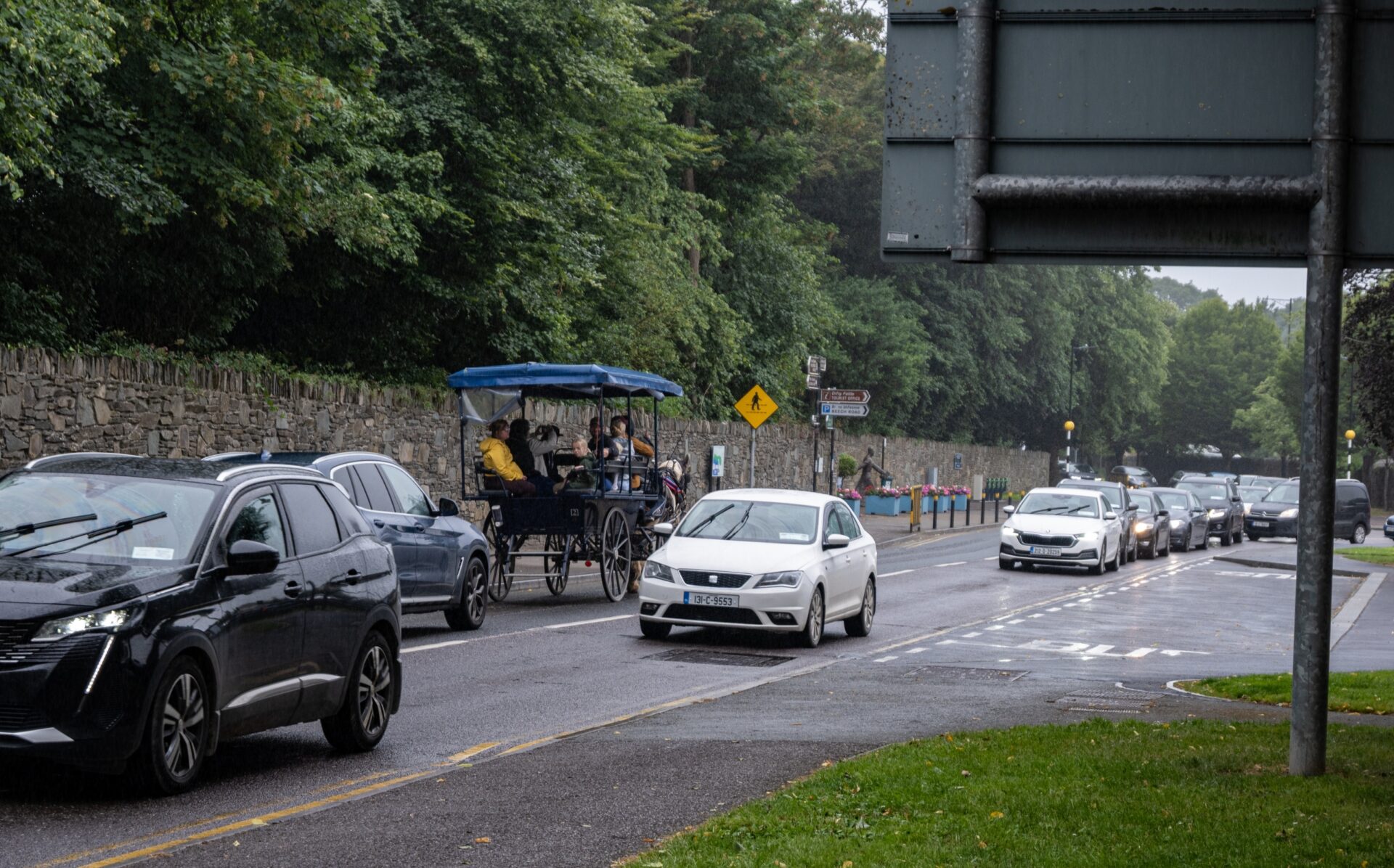
Killarney councillor Martin Grady has called for an urgent review of traffic management across the town following severe delays along...


Killarney Pumpkin Farm returns for Halloween
The annual event is in its sixth year and caters to people of all ages. The farm is located in...


Killarney Toastmasters host special open night
Killarney Toastmasters is inviting members of the local community to an open night at the Dromhall Hotel on Muckross Road...

Killarney hotels achieve top global rankings in Readers’ Choice Awards
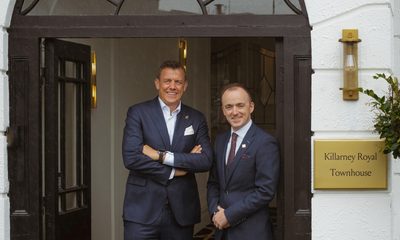
Killarney hotels achieve top global rankings in Readers’ Choice Awards Two leading Killarney hotels are celebrating major international accolades following...


Paralympic legend Jason Smyth visits St Brendan’s
Paralympic legend Jason Smyth visits St Brendan’s World renowned Paralympian and world record holder Jason Smyth paid a visit to...


Fossa Swimmers make a splash at County Finals
The Fossa Swim team pictured at the Tralee Sports Complex following their successful outing at the County Finals of the...

On the Ball Part 2 of the Mikey Daly Interview
Éamonn Fitzgerald EF: Killarney Celtic are invited to participate in an Irish competition. That has big financial implications for travel,...


LUKE MANGAN recently caught up with Kerry FC’s manager, Colin Healy.
He spoke to him about his careers as a player and manager. Here’s how it went: When you began your...


Home cup tie for St Paul’s could be epic
Paudie O’Connor National Cup (Round 1) Utility Trust St Paul’s v GCU Brunell Saturday 7.30pm Killarney Sports and Leisure Centre...


Chances of Kerry v Cork Munster final in 2026 decrease as Munster GAA delay seeding plan
After facing a backlash from Limerick, Clare, Waterford and Tipperary players, Munster GAA have postponed their plan to keep Cork...
