
News
Irish in the North? What about Irish in the south?

I
Incredibly, of all the issues that plague the political sphere north of the border, it’s the proposed Irish Language Act that is reportedly keeping Stormont shut down. Whether this is really a critical issue for Sinn Féin and the DUP or merely an exercise in points scoring is unclear but, either way, it is proving to be a major barrier to progress.
A poll carried out during the week on behalf of RTÉ’s Claire Byrne Live revealed that 54% of people in the south of Ireland believe that the Irish language should be protected in the North. 23% said it shouldn’t and 23% said they didn’t know.
I wasn’t overly surprised by the percentages but it did make me wonder: how many of those people who feel Irish should be respected elsewhere actually respect Irish themselves?
It seems to me that certain people only care about Irish when someone else tries to mess with it. Like a child with an old toy that they never use, as soon as someone else starts playing with it they want it back.
We’re quick to mock Americans who mispronounce Saoirse Ronan’s name, or British people who say Taoiseach incorrectly. It’s no wonder that we know the right pronunciation of Taoiseach. It’s the only Irish word many of us utter from one year to the next.
In fact, worse than merely abandoning it, many Irish people actually treat our native language with contempt. How many times have you heard someone saying that they hate Irish, before blaming it on “the way it’s taughtä”?
I’ve never bought that excuse personally. I’m not saying the methods used to teach Irish are perfect; they weren’t in my day and I’m sure they certainly weren’t in generations past.
I used to teach English as a foreign language in Asia and my Irish colleagues and I would often reflect that if we were introduced to Irish the way our students were introduced to English – in an entertaining manner and with a focus on practical conversation - we’d all be fluent Gaelgeoirs.
But blaming the schools is a cop out in my opinion. It’s a societal problem. As a nation, our attitude towards languages is terrible - being native English speakers is a crutch that we insist upon using. The simple fact of the matter is that many of us think we can get away with just speaking English, so why bother learning anything else?
Catalan history and politics are not too dissimilar to ours. Franco’s regime banned the use of Catalan, just as the English outlawed Irish. In Catalunya, they can “get by” on Spanish if they want but, instead of shunning their own language, they embrace it.
The majority of countries put Ireland to shame. Many Europeans are at least bilingual, if not trilingual or quadrilingual. Are they smarter than us? Do they have some innate ability to learn multiple languages? Or is our outlook flawed?
Don’t get me wrong, I’m not on my high horse here. I’m as bad as anyone else when it comes to speaking Irish, and I actually don’t mind languages. My Spanish is okay. I didn’t hate German in school and I picked up some Chinese when I lived in Beijing. The sad thing is, since finishing my leaving Cert I’ve probably used all of those languages more than I’ve used Irish, and I’ve lived in Ireland for the majority of my adult life.
How tragic is that?
So, for those people who think Irish should have special status in the North, it’s worth noting the following: Irish has special status in the south. It’s in our schools, in our courts and on our road signs. If none of us can be bothered to actually speak it, what’s the point?

Killarney National Park Autumn Talks up and running
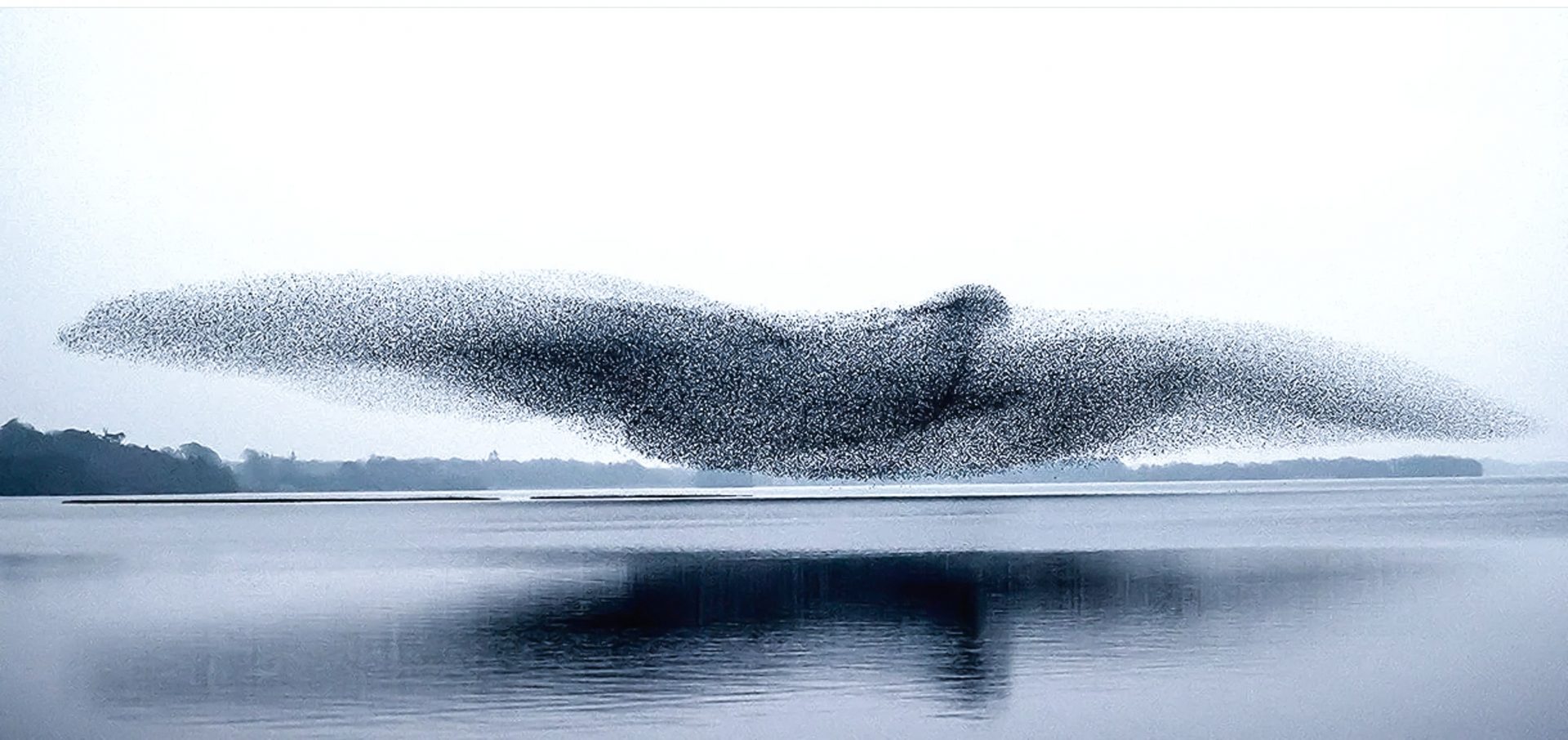
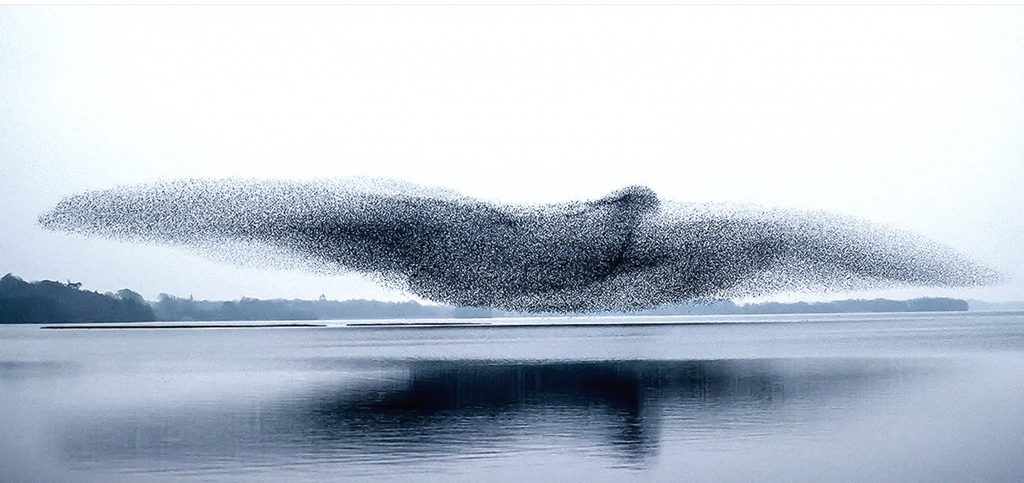
Following a successful opening presentation by award-winning photographer James Crombie on the mesmerising starling murmuration’s of Lough Ennell, the 38th annual Killarney National Park Autumn Talks Series continues next week with a focus on Irish biodiversity.
The lineup for Thursday, October 15, features guest speaker Professor Grace McCormack of University College Galway, who will present a talk on “The Importance of Native Honeybees and Other Pollinators and Current Threats to Their Survival”.
Prof. McCormack’s address will explore the vital role native bees play in local ecosystems, the environmental pressures threatening their populations, and the conservation efforts required to ensure their survival.
Last night’s (October 8) opening talk, saw Inpho Sports Photography staff photographer James Crombie kick off the six-week series.
Crombie, named Irish Press Photographer of the Year in 2021, 2022, and 2025, shared the story behind his famous images documenting Westmeath’s starling displays, which reached millions of viewers worldwide.
The Autumn Talks Series runs weekly for six weeks in the Killarney House Auditorium (V93 HE3C) at 8.00pm. Admission is free, though seating is limited. All presentations are also live streamed via the Killarney National Park Facebook page.
MESMERISING NATURE: Multi-award-winning photographer James Crombie, who opened the 38th annual Killarney National Park Autumn Talks Series with a presentation on his famous starling murmuration photographs.
Missing Killarney chef located dead in UK
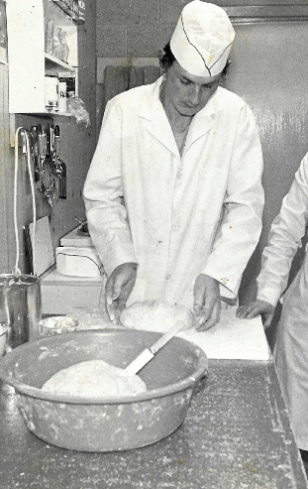
A 34-year search for missing former Killarney chef Patrick (Patsy) O’Sullivan ended following confirmation that he was located deceased in the UK.
Patsy was 35 years old when last seen by relatives in Lombardstown, County Cork, during the Easter Bank Holiday weekend in April 1992. At the time of his disappearance, he was working as a chef in Waterville, having previously worked across several Killarney hotels. He was scheduled to attend a family Christening shortly after returning from Kerry, but never arrived.
Despite decades of public appeals, including features on RTÉ’s Crimecall, his location remained unknown.
Investigations revealed that Patsy moved to the UK and changed his name to Patrick Aldridge in 1995, adopting the surname of his partner who passed away in 2022. He passed away from natural causes on July 5, 2024, living just over an hour away from his brother who also passed away in the UK last year.
Speaking on Cork’s 96FM, his brother Jerry O’Sullivan confirmed the family finally received closure following renewed efforts led by Garda PJ Roche and investigating officers. He noted that while unanswered questions remain about why Patsy started over fresh, the family is grateful for the work that brought final answers.
An Garda Síochána confirmed the missing person case is closed and thanked the public for their assistance over the years.
IN MEMORY: Patrick (Patsy) O’Sullivan, a native of North Cork who worked as a chef in Killarney and Waterville, went missing in April 1992 and was located deceased in the UK. Photo: Garda Press Office.

Killarney National Park Autumn Talks up and running
Killarney National Park Autumn Talks up and running Following a successful opening presentation by award-winning photographer James Crombie on the...

Missing Killarney chef located dead in UK
Missing Killarney chef located dead in UK A 34-year search for missing former Killarney chef Patrick (Patsy) O’Sullivan ended following...

Speed cameras go live at Farranfore level crossing
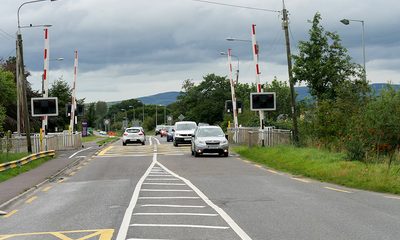
Speed cameras go live at Farranfore level crossing An Garda Síochána, Iarnród Éireann, Transport Infrastructure Ireland, and Kerry County Council...


Conference on historic Annals of Inisfallen
Conference on historic Annals of Inisfallen A full-day conference dedicated to one of Ireland’s most important surviving medieval manuscripts will...

Gneeveguilla apprentice wins national stonemasonry title
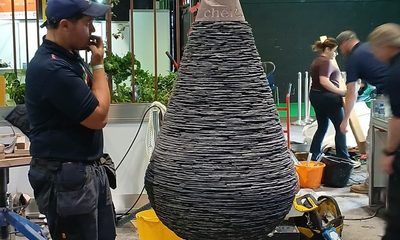
Gneeveguilla apprentice wins national stonemasonry title Darragh O’Sullivan from Gneeveguilla won the overall prize in the Architectural Stonemasonry category at...

Fossa Swimmers make a splash at County Finals
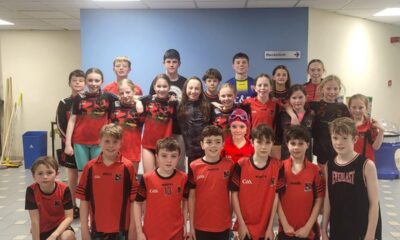
The Fossa Swim team pictured at the Tralee Sports Complex following their successful outing at the County Finals of the...

On the Ball Part 2 of the Mikey Daly Interview
Éamonn Fitzgerald EF: Killarney Celtic are invited to participate in an Irish competition. That has big financial implications for travel,...


LUKE MANGAN recently caught up with Kerry FC’s manager, Colin Healy.
He spoke to him about his careers as a player and manager. Here’s how it went: When you began your...


Home cup tie for St Paul’s could be epic
Paudie O’Connor National Cup (Round 1) Utility Trust St Paul’s v GCU Brunell Saturday 7.30pm Killarney Sports and Leisure Centre...


Chances of Kerry v Cork Munster final in 2026 decrease as Munster GAA delay seeding plan
After facing a backlash from Limerick, Clare, Waterford and Tipperary players, Munster GAA have postponed their plan to keep Cork...
